







What's Happening?
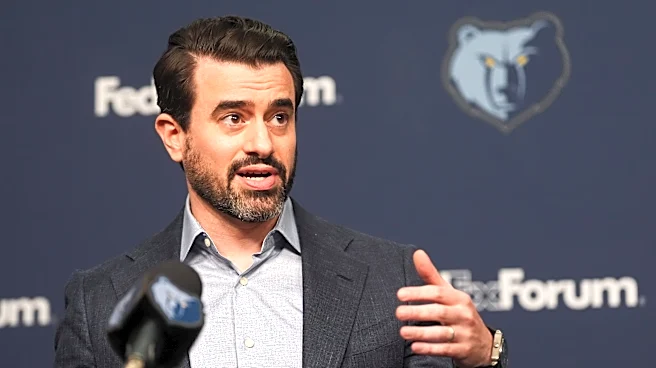
Dewayne Hankins, President of Business Operations for the Portland Trail Blazers, recently reported strong financial figures for the team, including a 94% renewal rate and a 22% increase in ticket revenue year-over-year. These numbers were presented at a media
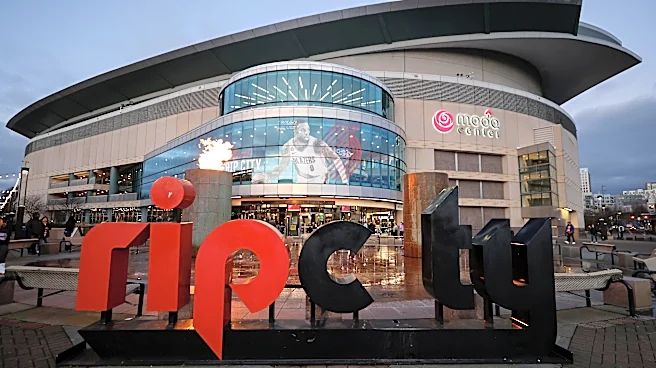
day event. This contrasts with his earlier testimony to the Portland City Council in July, where he criticized the city's 'stagnant business climate,' high taxes, and political environment, arguing these factors made it difficult to sell tickets, secure corporate partnerships, and recruit players. The organization has been engaged in negotiations with local and state partners for a $573 million renovation package for the Moda Center, with the city's business environment being a key part of their public argument for the need for this funding. The recent positive ticket sales and revenue figures, which were specifically cited as a challenge in July, now complicate the team's broader narrative regarding the difficulties of operating in Portland.
Why It's Important?
The discrepancy between the Portland Trail Blazers' public statements to the City Council and their recently reported business numbers is significant for several reasons. Firstly, it could undermine the team's leverage in ongoing negotiations for public funding for Moda Center renovations. If the team's own data suggests a healthy and engaged fanbase, it weakens the argument that the city's business climate is severely hindering their operations and necessitates substantial public investment. Secondly, it raises questions about transparency and the accuracy of information presented by organizations seeking public funds. The City Council and taxpayers may scrutinize future requests more closely if past claims appear to be contradicted by the organization's internal performance metrics. This situation could also influence public perception of the team, potentially leading to skepticism about their financial needs and their commitment to the city, especially if the narrative of a struggling business environment is perceived as a tactic to secure funding. The outcome of these negotiations could set a precedent for how other professional sports franchises interact with local governments regarding facility upgrades and public subsidies.
What's Next?
The Portland Trail Blazers will likely continue their negotiations with the Portland City Council and state partners regarding the $573 million renovation package for the Moda Center. The recent positive business numbers reported by Dewayne Hankins are expected to add a new layer of complexity to these discussions, potentially leading to increased scrutiny from city officials and the public. The City Council may demand further clarification or more comprehensive financial data from the Blazers to reconcile the seemingly contradictory statements. It is also possible that the team will need to adjust its public messaging to address the strong ticket sales and revenue growth while still advocating for the renovation funds. The long-term lease terms for the Moda Center, which the council is set to draft, will be a critical component of these ongoing discussions. The situation could also draw attention from other stakeholders, including Senator Ron Wyden, who has previously threatened scrutiny on NBA team relocations, adding another dimension to the team's future in Portland.
Beyond the Headlines
This situation extends beyond simple financial negotiations, touching upon the ethical considerations of public-private partnerships and the narrative control exercised by large organizations. The Blazers' initial claims about a 'stagnant business climate' could be seen as an attempt to create a sense of urgency and necessity for public funding, potentially leveraging public sentiment and fear of relocation. The subsequent release of strong internal business numbers, however, highlights the challenge of maintaining a consistent and credible narrative when seeking public support. This incident could lead to a broader public discourse on the responsibilities of professional sports teams to their host cities, particularly when requesting significant taxpayer investment. It also underscores the importance of due diligence by public bodies when evaluating such requests, ensuring that claims are substantiated by verifiable data. The long-term implications could include increased public skepticism towards similar requests from other organizations and a demand for greater transparency in financial dealings between private entities and government bodies, ultimately shaping future urban development and public spending policies.