




What's Happening?
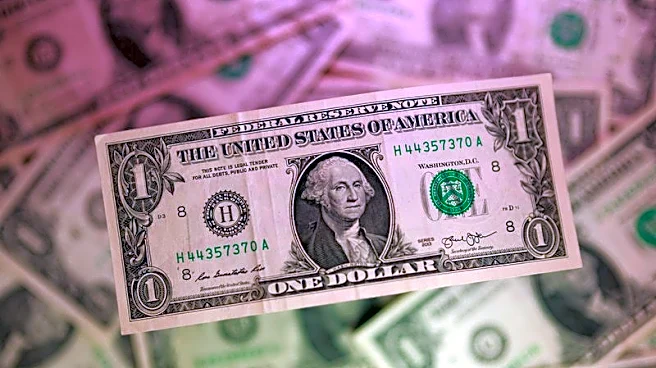
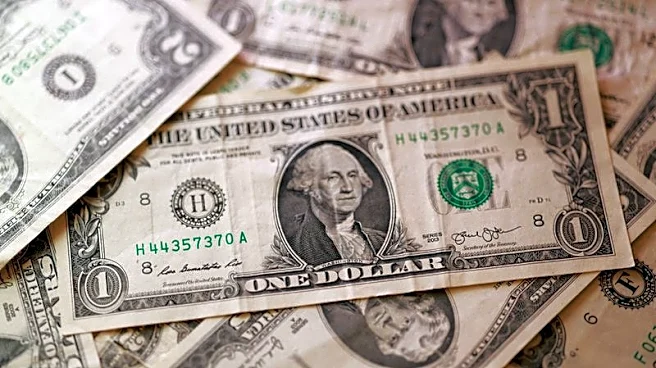
The U.S. dollar has recorded its strongest weekly gain in over a month, driven by persistent inflation and market expectations for further Federal Reserve interest rate hikes. Core producer prices in the U.S. rose by 0.3% in October, indicating ongoing
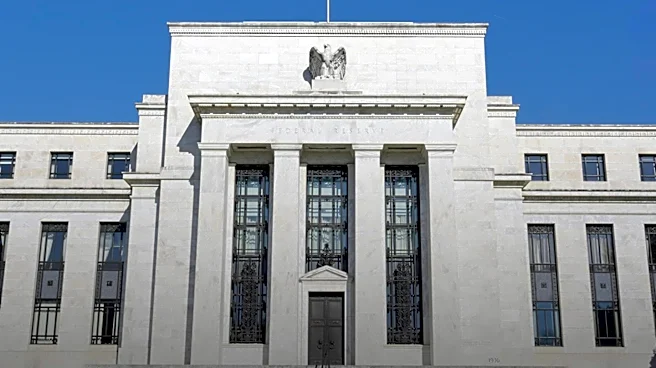
inflationary pressures. This data is a key factor influencing the Federal Reserve's upcoming December policy decision. While Governor Christopher Waller has suggested the possibility of a 50-basis-point rate hike, futures markets currently assign a low probability to such an aggressive move. The strength of the dollar is also being influenced by upcoming U.S. retail sales data, which will provide insights into consumer spending and its potential impact on the American economy. Major market catalysts, including Nvidia's upcoming earnings report and the APEC summit in China, are also being monitored by currency traders to assess the sustainability of the dollar's recent rally.
Why It's Important?
The strengthening U.S. dollar has significant implications for the U.S. economy and global markets. A stronger dollar makes U.S. exports more expensive, potentially reducing demand from international buyers and impacting American businesses that rely on global trade. Conversely, it makes imports cheaper, which can help to mitigate inflationary pressures by reducing the cost of foreign goods. For U.S. consumers, cheaper imports could mean lower prices on a range of products. However, a strong dollar can also make U.S. assets, such as stocks and bonds, more attractive to foreign investors, potentially leading to increased capital inflows. The Federal Reserve's stance on interest rates, heavily influenced by inflation data, is a primary driver of the dollar's value. Expectations of further rate hikes signal the Fed's commitment to combating inflation, which can bolster investor confidence in the dollar as a safe-haven asset. The interplay between inflation, interest rates, and currency strength is a critical factor for businesses engaged in international trade and for investors managing global portfolios.
What's Next?
Currency traders and economists are closely watching several upcoming data releases and events that could further influence the U.S. dollar's trajectory. The U.S. retail sales data, expected soon, will be a key indicator of consumer spending health, providing insights into the overall strength of the American economy. Strong retail sales could reinforce expectations for continued economic activity, potentially supporting the case for further Federal Reserve tightening. Conversely, weaker-than-expected sales could temper rate hike expectations. Nvidia's upcoming earnings report is also a significant market catalyst, particularly for the technology sector, and its performance could have broader market implications. The APEC summit in China will be monitored for any geopolitical or trade-related developments that could impact global economic sentiment and currency markets. The Federal Reserve's December policy decision, informed by these and other economic indicators, will be the most critical event, determining the immediate future of interest rates and the dollar's valuation.
Beyond the Headlines
The U.S. dollar's recent rally, fueled by inflation and rate hike expectations, highlights a deeper economic narrative about the global financial landscape. The dollar's role as the world's primary reserve currency means its strength or weakness has ripple effects far beyond U.S. borders. For emerging markets, a strong dollar can lead to capital outflows and increased debt burdens, as many international loans are denominated in dollars. This can trigger financial instability and economic challenges in these regions. The Federal Reserve's monetary policy decisions, while focused on domestic economic stability, inherently carry global implications, underscoring the interconnectedness of the world economy. The ongoing debate about inflation and the appropriate policy response also touches upon the long-term sustainability of economic growth and the potential for a global economic rebalancing. The dollar's performance is not just a financial metric; it's a barometer of global economic confidence and a key factor in international trade and investment dynamics, reflecting the complex interplay of national policies and global economic forces.