


What's Happening?
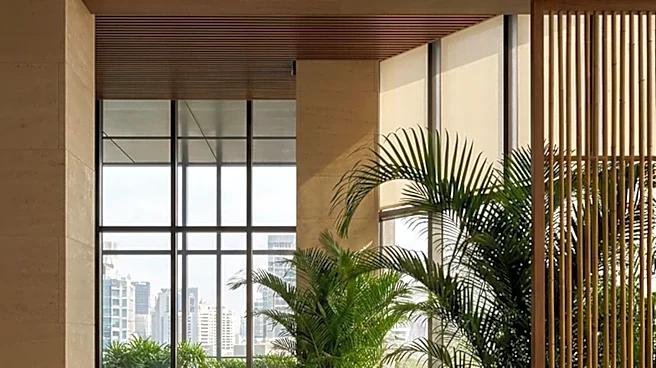
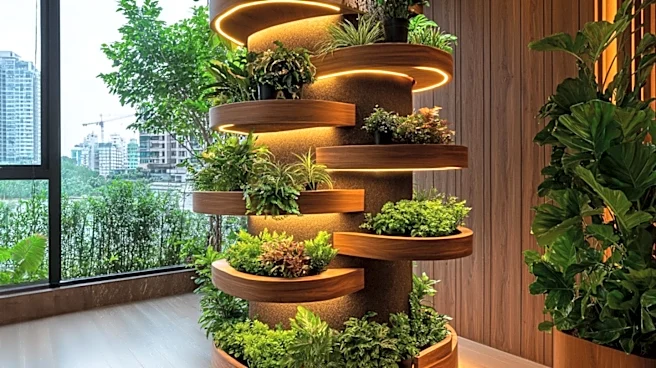
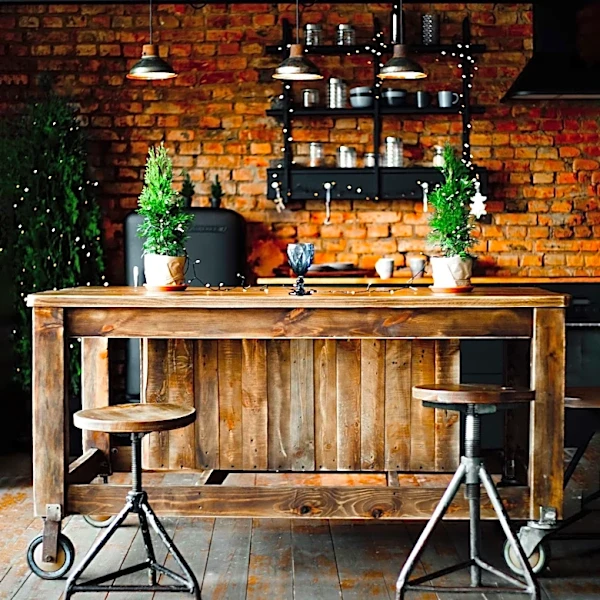
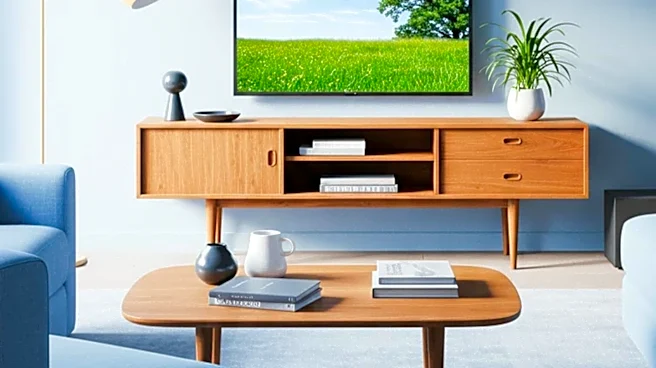
Biophilic design is gaining prominence in real estate and architecture as a method to connect living spaces with the natural world. This approach incorporates elements such as natural daylight, moving air, visible and audible water features, plants, and natural materials
to create environments that evoke a sense of ease and comfort. Unlike simply adding potted plants, biophilic design intentionally shapes a home to make occupants feel better, often without consciously realizing why. In real estate, this design philosophy is applied through 'Sensory Staging,' which appeals to all five senses to influence how buyers perceive and value a home. This includes optimizing sight with furniture oriented towards views and ample natural light, incorporating sounds like gentle water, using natural scents such as gardenia, and selecting natural textures for touch. The goal is to create an inviting atmosphere that encourages buyers to envision their lives in the home, thereby potentially increasing its market appeal and final sale price.
Why It's Important?
The integration of biophilic design is important for the U.S. real estate market, particularly in luxury sectors, as it shifts the focus from purely aesthetic trends to functional luxury and wellness. This design philosophy can significantly impact property valuations and sales velocity by creating homes that are not only visually appealing but also contribute to the occupants' well-being. For sellers, thoughtful biophilic staging can differentiate their properties in a competitive market, attracting confident offers and reducing time on the market. For buyers, these homes offer a tangible benefit in terms of reduced stress and enhanced quality of life, aligning with a growing demand for wellness-focused living spaces. This trend suggests a broader shift in consumer preferences towards homes that actively support health and comfort, influencing design and construction practices across the industry.
What's Next?
The adoption of biophilic design principles is expected to continue growing, influencing future residential and commercial developments. Designers and real estate professionals are likely to increasingly incorporate these elements to meet evolving consumer demands for healthier and more comfortable living environments. This could lead to a greater emphasis on sustainable materials, natural light optimization, and the integration of green spaces in urban planning and architectural projects. The concept of 'Sensory Staging' may become a standard practice in luxury home sales, with real estate agents and stagers focusing on creating multi-sensory experiences for potential buyers. Furthermore, educational initiatives, such as biophilic design audits, will likely become more common to help homeowners understand and implement these principles effectively, ensuring their properties resonate deeply with prospective buyers.
Beyond the Headlines
Beyond its immediate impact on real estate transactions, biophilic design reflects a deeper cultural shift towards re-establishing humanity's connection with nature within built environments. This movement addresses the psychological and physiological benefits of natural exposure, counteracting the effects of increasingly urbanized and technology-driven lifestyles. Ethically, it promotes a more responsible approach to design, prioritizing human well-being and environmental harmony. Legally, this could eventually lead to new building codes or certifications that encourage or mandate biophilic elements, particularly in public and commercial spaces. Culturally, it signifies a growing appreciation for authenticity, sustainability, and a holistic view of health, where the home is seen not just as a shelter but as a vital component of one's overall wellness. This long-term shift could redefine luxury, moving it beyond opulence to encompass genuine comfort, health, and a profound connection to the natural world.