







What's Happening?
Rayonier Inc. (NYSE:RYN) announced a record adjusted EBITDA of $145 million for the third quarter of 2026, significantly surpassing the prior year's period. This strong performance is largely attributed to contributions from PotlatchDeltic operations
and robust operational results across its segments. The company has achieved over $20 million in run-rate synergies from the PotlatchDeltic merger and is on track to reach $40 million by the merger's second anniversary. Cash available for distribution (CAD) for the first nine months of 2026 reached $287 million, a substantial increase from $154 million in the previous year. Rayonier also executed a strategic like-kind exchange, selling 36,000 acres in Washington for $145 million and acquiring 57,000 acres in Texas and Alabama for $146 million, a move expected to be accretive to cash flow. The company has been actively repurchasing shares, buying back 7.8 million shares for $163 million through the first nine months of 2026, and its Board approved a $300 million increase to the repurchase authorization.
Why It's Important?
This financial performance by Rayonier Inc. highlights the successful integration and strategic benefits derived from the PotlatchDeltic merger, demonstrating effective synergy realization in the timber and forest products industry. The record adjusted EBITDA and increased cash available for distribution indicate strong operational efficiency and profitability, which can positively impact shareholder value. The strategic land exchange transaction underscores a proactive approach to portfolio optimization, aiming to enhance cash flow and long-term asset value. Furthermore, the aggressive share repurchase program signals management's confidence in the company's valuation and future prospects, potentially boosting investor returns. The company's focus on dispositions to manage leverage in the current interest rate environment reflects a prudent financial strategy, balancing growth initiatives with balance sheet health. This performance provides a positive outlook for the timber and real estate sectors, showcasing resilience and strategic adaptability amidst market fluctuations.
What's Next?
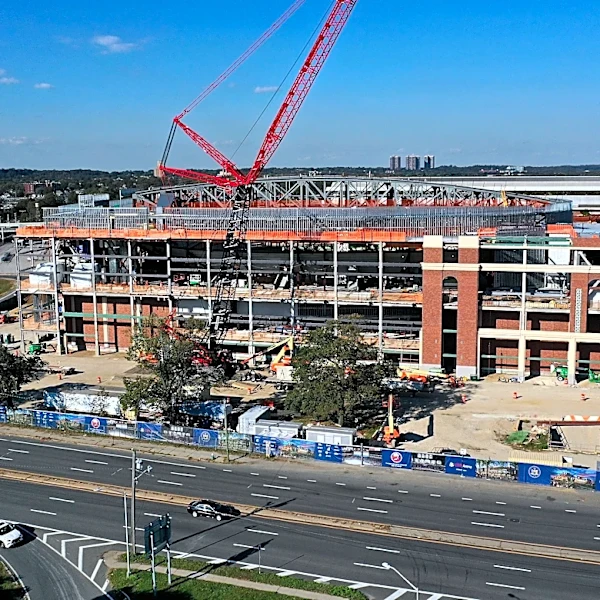
Rayonier Inc. plans to continue pursuing additional timberland dispositions over the next 12 to 18 months, driven by the disconnect between public and private timberland values, rather than solely for leverage reduction. The company will not be prescriptive on the pace or size of these dispositions, which will depend on buyer response and market dynamics. While the company is comfortable with its current leverage, it remains mindful of the interest rate environment and will use dispositions to extend its share buyback runway while maintaining balance sheet flexibility and its investment-grade rating. The new Atlanta corporate headquarters is slated to open early next year, further advancing integration efforts. Rayonier is also investing in new market development around bioenergy, biofuels, and biochar to bolster pulpwood and residuals demand, though these initiatives will take time to scale up. The company will continue to monitor market conditions, particularly in the wood products sector, and reassess supply-demand dynamics.
Beyond the Headlines
The strategic moves by Rayonier Inc., particularly the large-scale land transactions and ongoing share repurchases, reflect a broader trend in the timber industry towards optimizing asset portfolios and enhancing shareholder value through active capital management. The emphasis on 'like-kind exchanges' demonstrates a sophisticated approach to real estate and tax planning, allowing the company to reconfigure its land holdings for maximum financial benefit while deferring capital gains. The company's proactive stance on managing leverage through dispositions, even while engaging in significant share buybacks, illustrates a nuanced financial strategy in a fluctuating economic landscape. This approach could set a precedent for other companies in capital-intensive industries, highlighting the importance of flexible asset management and disciplined capital allocation to navigate market cycles and sustain long-term growth. The focus on bioenergy and other new demand sources for wood products also points to an evolving industry, adapting to environmental concerns and seeking diversified revenue streams beyond traditional timber sales.