



What's Happening?
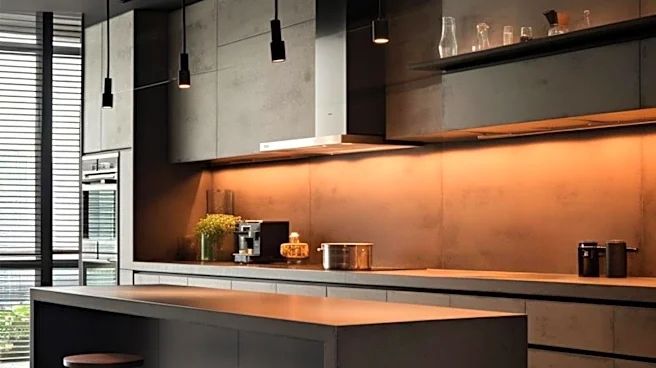
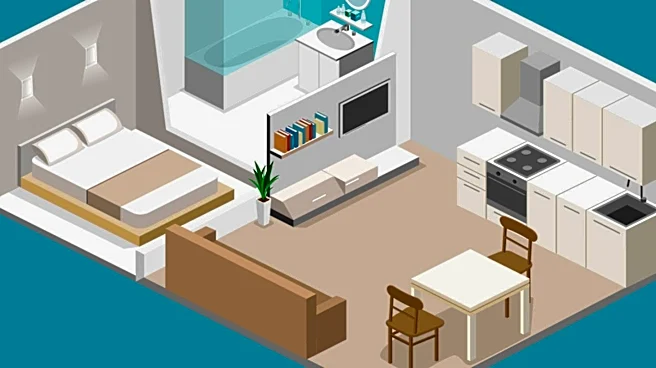
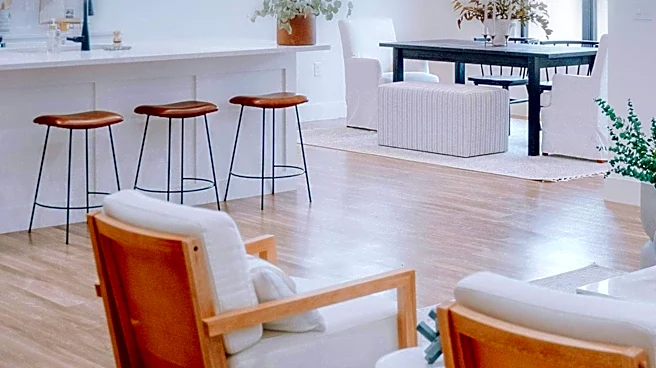
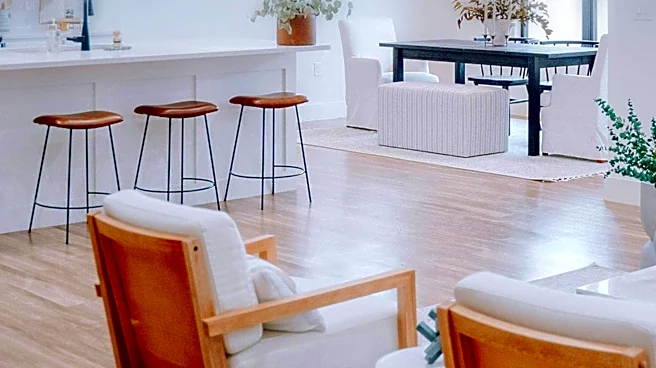
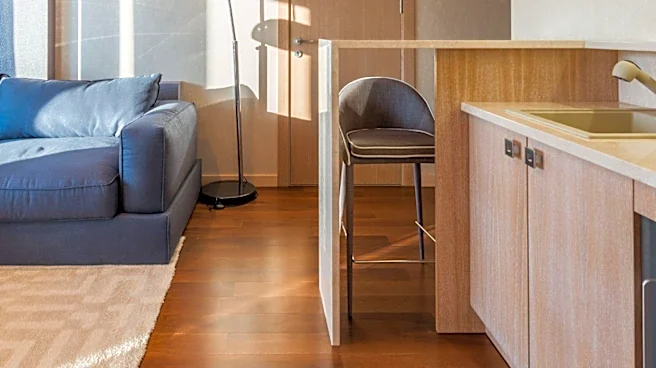
Open-concept living spaces, characterized by connected kitchen, dining, and family areas, are designed to foster a central gathering point with clear sightlines and ample natural light. These layouts prioritize quality construction and thoughtful design to ensure
longevity and adaptability. The flexibility of open-concept areas allows for easy reconfiguration of furniture and functions as household needs evolve, eliminating the necessity for extensive renovations. While beneficial for families, offering a communal kitchen space alongside a separate, quieter retreat, these designs also highlight the challenge of maintaining tidiness. With everything in view, clutter in one area can make the entire space feel disorganized, requiring consistent effort to keep the home presentable. This design philosophy aims to create homes that can gracefully absorb life's changes without requiring constant overhauls.
Why It's Important?
The prevalence of open-concept living reflects a significant shift in U.S. home design, moving towards more communal and adaptable spaces. This trend impacts the housing market by influencing buyer preferences and construction practices. Homeowners are increasingly seeking flexible layouts that can accommodate changing life stages, from growing families to aging in place. Builders and designers are responding by incorporating features like structural and electrical infrastructure planned for flexibility, and open floor plans that support multi-purpose furniture. This focus on adaptability can enhance a home's long-term value and appeal, as it reduces the need for costly remodels. However, the emphasis on constant tidiness in open spaces could also influence consumer behavior, potentially driving demand for integrated storage solutions and professional organizing services. The design choice between open-concept and more traditional, segmented layouts becomes a critical consideration for both homeowners and the real estate industry, balancing aesthetic appeal and functional practicality.
What's Next?
As open-concept living continues to be a dominant design trend, future developments are likely to focus on innovative solutions to address its inherent challenges. We can anticipate an increase in demand for smart storage systems and integrated organizational features that help maintain a clutter-free environment. Designers may also explore more sophisticated ways to create 'flexible separation' within open spaces, such as movable partitions or architectural elements that can define zones without fully enclosing them. Furthermore, the integration of advanced home technology will play a crucial role, with pre-wired infrastructure supporting smart devices that can enhance both functionality and aesthetic appeal. The market may also see a rise in specialized interior design services tailored to optimizing open-concept layouts for both communal living and individual retreat, ensuring these spaces remain practical and comfortable for diverse family needs.
Beyond the Headlines
The widespread adoption of open-concept living extends beyond mere architectural preference, reflecting deeper societal shifts in how Americans live and interact within their homes. This design encourages more communal family time, potentially fostering stronger bonds and more integrated daily routines, as activities like cooking, dining, and relaxing often occur in shared sightlines. However, it also challenges traditional notions of privacy and personal space, which could have psychological implications for individuals needing quiet or solitude. The constant visibility of household activities and potential clutter might contribute to increased stress for some, highlighting a tension between idealized communal living and the practicalities of daily life. This trend also underscores a cultural move towards less formal living, where the home is primarily a hub for shared experiences rather than a collection of distinct, specialized rooms. The long-term impact on family dynamics, individual well-being, and the evolution of domestic life remains a significant, evolving consideration.