






What's Happening?
Consumers are increasingly opting for boxed water, a product that packages drinking water in carton-style containers instead of traditional plastic bottles. This shift is driven by a growing awareness of packaging waste and a desire for more sustainable
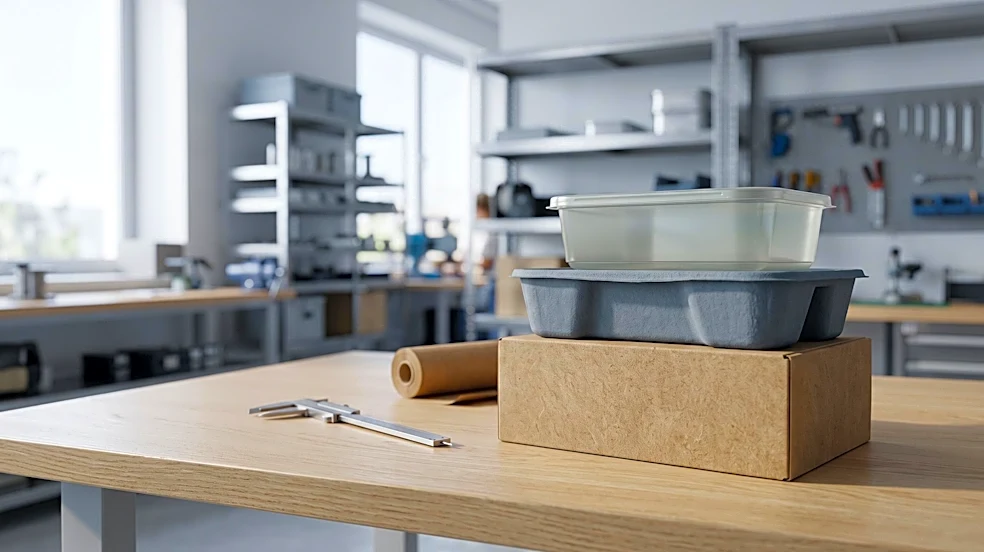
options. Boxed water offers the same convenience as bottled water but utilizes a different packaging structure, commonly associated with milk and juice. The rectangular shape of these cartons provides a distinct visual appearance on store shelves and can be more efficient for storage in refrigerators, coolers, and shelves. Factors influencing consumer choices now extend beyond convenience to include packaging materials, portability, storage efficiency, and environmental impact. While cartons do not eliminate all environmental considerations, they represent an effort to reduce reliance on conventional plastics.
Why It's Important?
The rising popularity of boxed water signifies a broader trend in consumer behavior towards environmentally conscious purchasing decisions within the U.S. market. This shift impacts the beverage industry, pushing manufacturers to innovate in packaging and sustainability. Companies that adapt to these changing consumer preferences by offering alternative packaging solutions stand to gain market share, while those that do not may see a decline in sales. The demand for alternatives to plastic bottles also influences recycling infrastructure and waste management practices, as communities need to adapt to processing different types of packaging materials. This trend could lead to increased investment in carton recycling technologies and a re-evaluation of packaging standards across various consumer goods sectors, potentially benefiting companies involved in sustainable packaging solutions.
What's Next?
The trend of consumers seeking alternatives to plastic bottles is expected to continue, driving further innovation in the packaged water market. Manufacturers will likely explore new materials and designs for beverage containers to meet evolving consumer demands for sustainability. Retailers may expand their offerings of boxed water and other eco-friendly packaged beverages, making them more widely available. This could also lead to increased competition among brands to highlight their environmental credentials, potentially through certifications or transparent reporting on their packaging's lifecycle. Furthermore, there may be a push for improved recycling infrastructure specifically for carton-based products, as their prevalence grows, requiring collaboration between packaging companies, waste management services, and local governments.
Beyond the Headlines
The move towards boxed water reflects a deeper societal shift in environmental consciousness and consumer responsibility. It highlights a growing skepticism towards single-use plastics and a desire for more circular economy models. This trend could extend beyond water to other beverage categories, prompting a broader re-evaluation of packaging across the entire food and beverage industry. Ethically, it raises questions about corporate responsibility in providing sustainable options and the role of consumers in driving market change through their purchasing power. Legally, it might spur new regulations or incentives for companies to adopt more sustainable packaging practices, potentially influencing trade and manufacturing standards. Culturally, it signifies a growing preference for brands that align with environmental values, making sustainability a key differentiator in consumer loyalty and brand perception.