




What's Happening?
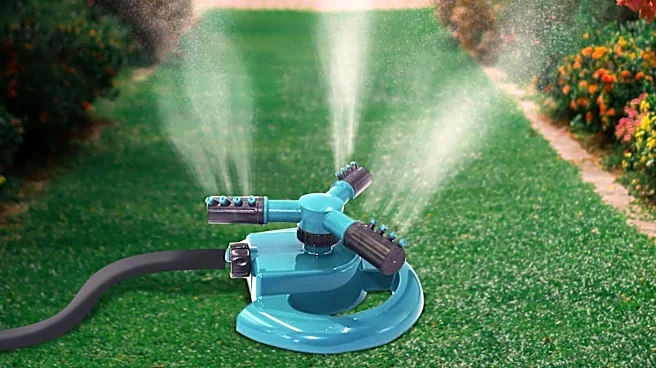
A common misconception about lawn care during summer dormancy has been highlighted, revealing that frequent light watering can harm grass rather than help it. The practice of watering lawns daily in small amounts keeps moisture at the surface, preventing
roots from growing deeper and making the grass more susceptible to drought. This misunderstanding stems from the belief that yellowing grass indicates death, whereas it often signifies dormancy—a natural survival mechanism during dry periods. Proper lawn care involves less frequent but deeper watering to encourage root growth and resilience.
Why It's Important?
Understanding the correct approach to lawn care during dormancy is crucial for homeowners seeking to maintain healthy lawns without wasting water. The revelation challenges traditional practices, promoting more sustainable and effective methods. This knowledge can lead to reduced water usage and lower utility bills, benefiting both individuals and the environment. As climate change impacts weather patterns, adapting lawn care practices becomes increasingly important to conserve resources and support ecological balance. Educating the public on these practices can foster more responsible gardening habits.
Beyond the Headlines
The issue of lawn care during dormancy touches on broader themes of environmental stewardship and resource management. It highlights the need for public awareness and education on sustainable practices, encouraging a shift away from wasteful habits. The story also reflects cultural attitudes towards lawn aesthetics and the pressure to maintain green spaces, prompting discussions on alternative landscaping approaches. As communities face water scarcity, adopting efficient watering techniques can contribute to broader conservation efforts and environmental resilience.