


What's Happening?
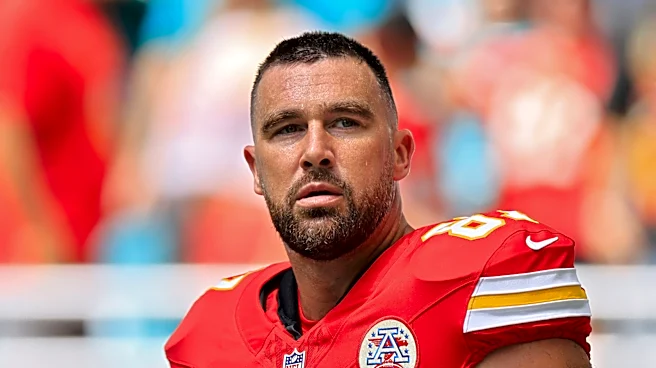
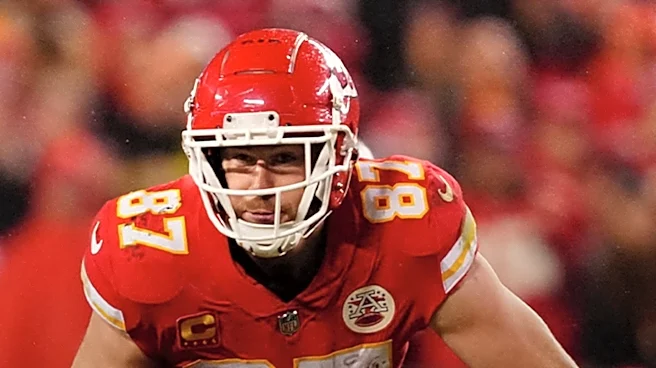
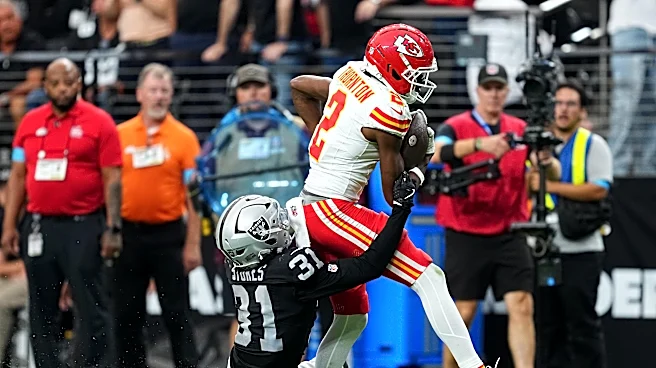
Kansas City Chiefs tight end Travis Kelce has caused a division among his fanbase after liking a controversial video of Shane Gillis's Saturday Night Live monologue. Gillis's performance included comments that many viewers found derogatory towards women,
specifically stating, 'I haven't been to the gym in so long, I didn't know women just dress like w***** now.' This social media activity by Kelce, a prominent NFL player, led to critical comments from some fans who perceived it as misogynistic, especially given his relationship with Taylor Swift. However, other fans defended Kelce, arguing that it was simply comedy and should not be taken personally. This incident follows Gillis's past controversies, including his firing from SNL in 2019 due to anti-Asian slurs and homophobic jokes.
Why It's Important?
This incident highlights the increasing scrutiny public figures, particularly athletes, face regarding their social media activity and personal opinions. For the sports industry, it underscores how off-field actions can significantly impact an athlete's public image and fan relations, potentially affecting endorsements and team perception. The division among Kelce's fans reflects broader societal debates about humor, misogyny, and accountability in public discourse. It also demonstrates the power of social media to quickly amplify controversial content and generate widespread discussion, forcing public figures to navigate complex ethical and social landscapes. The event could influence how sports organizations advise their athletes on social media engagement and public conduct.
What's Next?
The controversy surrounding Travis Kelce's social media activity may lead to ongoing discussions among fans and media about the responsibilities of public figures. Kelce or the Kansas City Chiefs organization might choose to address the situation, either through a statement or by remaining silent, which could further shape public perception. This event could also prompt other athletes and public figures to be more cautious about their online interactions and the content they endorse. The incident serves as a reminder that even a simple 'like' on social media can have significant repercussions for individuals in the public eye, potentially influencing their brand and fan loyalty in the long term.
Beyond the Headlines
This event delves into the complex interplay between celebrity culture, comedy, and social responsibility. It raises questions about the nature of humor, particularly when it touches on sensitive social issues like misogyny, and whether intent absolves impact. The differing reactions from Kelce's fanbase—some condemning his action, others defending it as harmless comedy—reflect a broader cultural divide on what constitutes acceptable humor and speech. This incident also highlights the evolving role of athletes as cultural influencers, whose actions off the field are increasingly scrutinized and expected to align with certain social values. It underscores the ethical challenge for public figures in balancing personal expression with the potential for public offense, and the constant negotiation of these boundaries in the digital age.