


What's Happening?
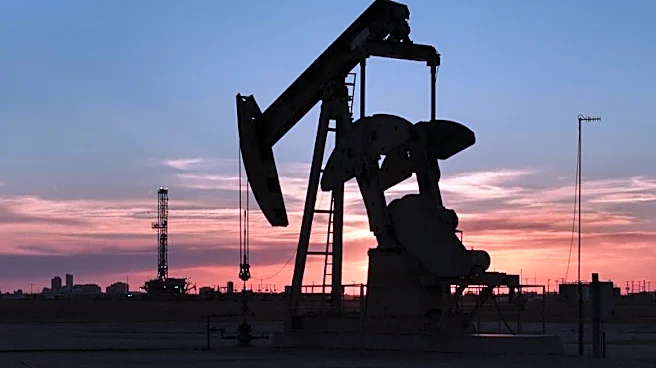
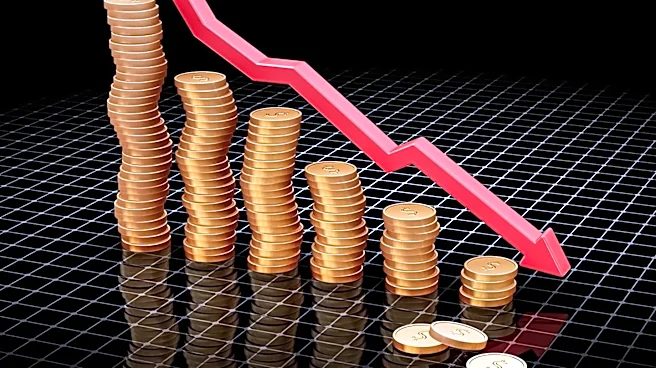
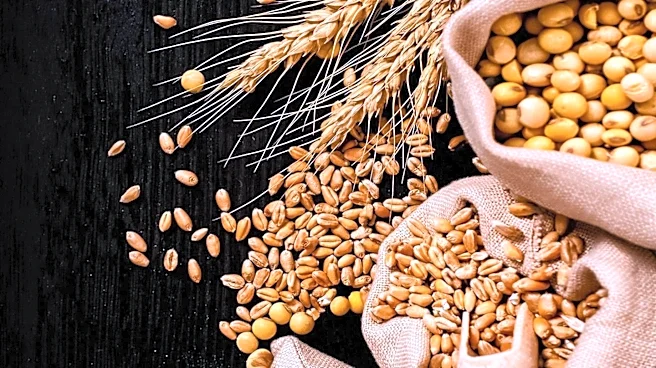
The Bloomberg Commodity Index fell by 1.2% during the week ending August 4, 2026, reflecting a mixed performance across commodity sectors. Energy and grains experienced declines, particularly in Brent and natural gas, as well as soybeans and wheat. In contrast,
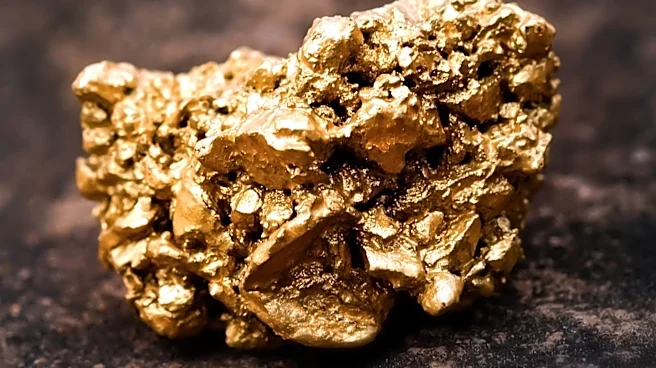
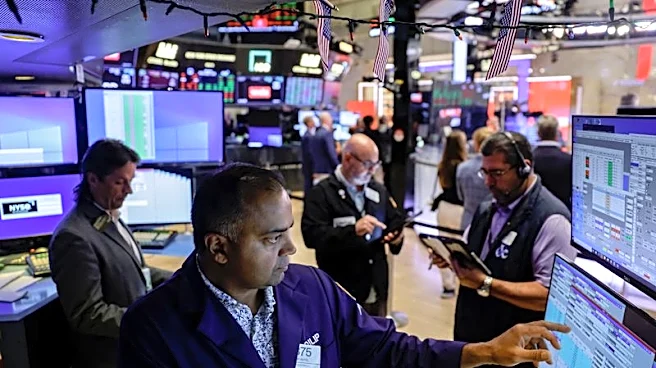
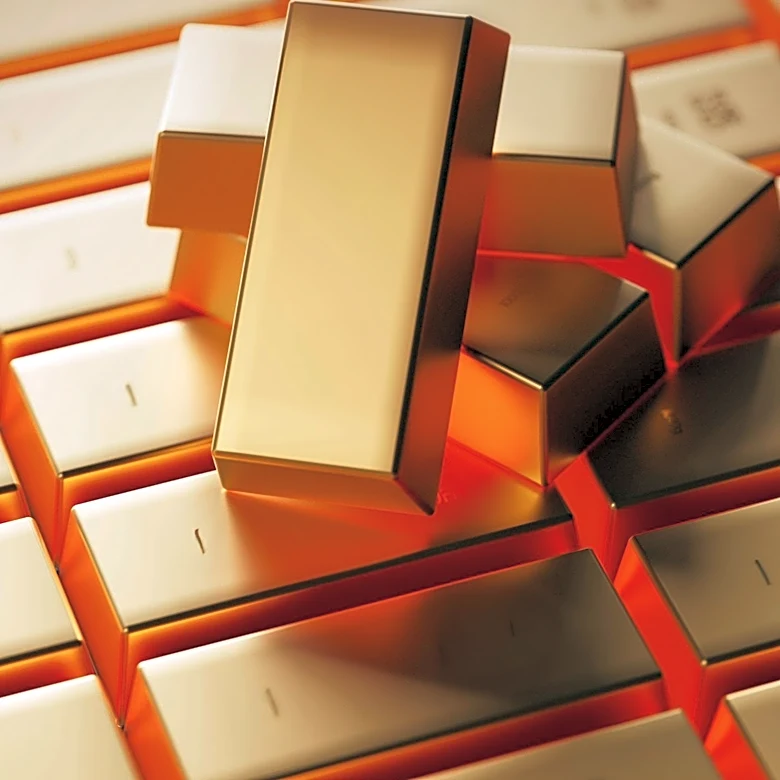
precious and industrial metals saw increased demand, with copper reaching a multi-year high. Hedge funds adjusted their positions accordingly, reducing exposure to energy and grains while increasing investments in metals and some soft commodities.
Why It's Important?
The fluctuations in commodity markets highlight the ongoing volatility and uncertainty in global trade, influenced by geopolitical tensions and economic factors. The increased demand for precious metals, particularly gold, suggests a shift in investor sentiment towards safer assets amid concerns over fiscal debt and potential changes in monetary policy. These dynamics have significant implications for global economic stability, affecting trade balances, inflation rates, and investment strategies. The commodity market's performance serves as a barometer for broader economic trends and investor confidence.
What's Next?
Market participants will closely monitor geopolitical developments and central bank policies, which could further influence commodity prices. The potential for continued disruptions in energy supplies and shifts in demand for metals may lead to strategic adjustments by investors and hedge funds. Additionally, the evolving economic landscape may prompt governments and businesses to reassess their trade and investment strategies, seeking to mitigate risks and capitalize on emerging opportunities. The commodity market's trajectory will be shaped by these complex and interrelated factors.