






What's Happening?
According to DNV's Alternative Fuels Insight platform, the first half of 2026 saw a decrease in orders for alternative-fueled vessels, totaling 137 compared to 155 in the same period of 2025. LNG remains the leading fuel option, with significant order activity
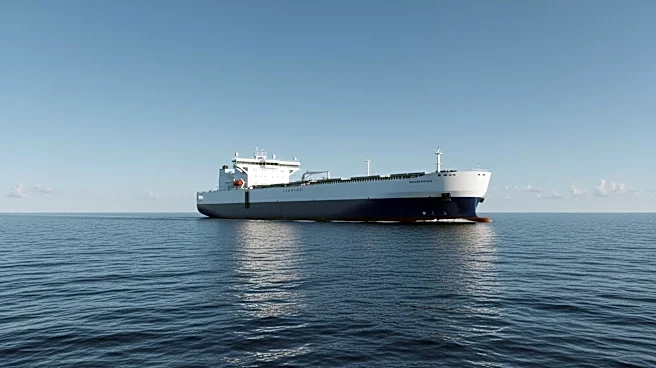
in the container and car carrier segments. LPG and ethane carriers also saw increased orders, while methanol, ethanol, ammonia, and hydrogen-fueled vessels had fewer orders. The report highlights the continued uptake of alternative-fueled tonnage across several segments, with notable deliveries of LNG and methanol-fueled vessels. Exmar's delivery of the first oceangoing dual-fuel ammonia vessel marks a significant step in commercial deployment beyond pilot projects.
Why It's Important?
The decline in alternative-fuel vessel orders indicates varying market dynamics influenced by segment economics, fuel availability, and regulatory landscapes. LNG's dominance as a near-term fuel option reflects its established infrastructure and economic viability. The increase in LPG and ethane carrier orders suggests growing interest in these fuels as viable alternatives. The development of ammonia-fueled vessels points to ongoing exploration of diverse pathways for decarbonization in maritime transport. These trends are crucial for stakeholders in the shipping industry as they navigate the transition to cleaner fuels and technologies, impacting investment decisions and regulatory compliance.
What's Next?
The maritime industry is likely to continue exploring multiple pathways for decarbonization, with stakeholders pursuing different strategies based on their priorities. The regulatory landscape will play a significant role in shaping future orders and investments in alternative fuels. Shipowners may increase investments in infrastructure to support diverse fuel options, while policymakers could introduce incentives or regulations to accelerate the adoption of cleaner technologies. The ongoing development of ammonia and other alternative fuels may lead to more commercial deployments, influencing the industry's long-term sustainability goals.