







What's Happening?
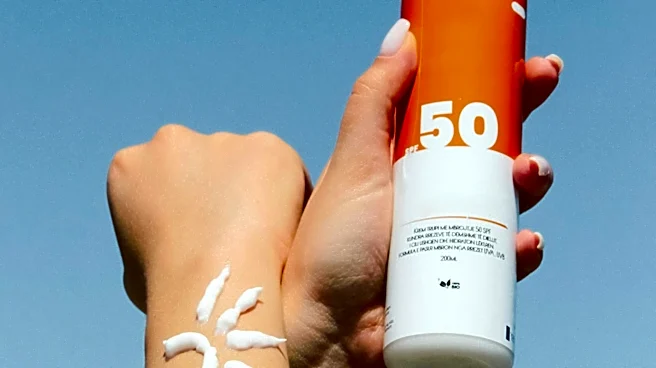
Multiple dermatological sources are highlighting the critical importance of daily sunscreen application with an SPF of 30 or higher. This recommendation is consistently made across various skin care contexts, including general UV protection, dark spot
treatment, and post-retinol serum application. For individuals undergoing dark spot treatments, broad-spectrum SPF 30+ is deemed essential to prevent the worsening of discoloration, as UV exposure can trigger increased melanin production and lead to recurrence, particularly in conditions like melasma. Similarly, after using retinol serum, which can increase skin sensitivity, an SPF of 30, and preferably 50, is recommended every morning. The consensus is that consistent sun protection is a non-negotiable component of maintaining skin health and achieving effective treatment outcomes for various skin concerns.
Why It's Important?
The emphasis on daily SPF 30+ application is crucial for public health, particularly in the U.S., where skin cancer rates remain a significant concern. Consistent use of high-SPF, broad-spectrum sunscreen is a primary defense against harmful UV radiation, which is a leading cause of skin cancer and premature aging. For the skincare industry, this reinforces the market for sun protection products and highlights the need for consumer education on their proper and consistent use. From a public policy perspective, increased awareness could lead to better health outcomes and potentially reduce healthcare burdens associated with skin conditions. Individuals stand to gain healthier skin, reduced risk of skin cancer, and more effective results from their skincare routines, while those who neglect sun protection risk exacerbating existing skin issues and developing new ones.
What's Next?
The continued emphasis on SPF awareness by dermatologists suggests a sustained effort to educate the public on preventative skincare. This could lead to increased demand for broad-spectrum sunscreens and potentially drive innovation in product formulations that are more cosmetically elegant and easier to incorporate into daily routines. Skincare brands are likely to continue promoting the integration of SPF into daily regimens, possibly through bundled product offerings or educational campaigns. For consumers, the clear directive means that daily SPF will become an even more ingrained step in their morning routines, moving beyond just beach days to everyday protection. Healthcare providers will likely continue to reinforce these recommendations during patient consultations, further solidifying the importance of sun protection.
Beyond the Headlines
Beyond the immediate benefits of skin protection, the widespread adoption of daily SPF 30+ could signify a broader cultural shift towards preventative health and long-term skin wellness. This isn't just about avoiding sunburn; it's about understanding the cumulative effects of sun exposure and taking proactive steps to mitigate them. The consistent messaging from dermatologists also underscores the scientific consensus on UV damage, potentially influencing how beauty standards evolve to prioritize healthy, protected skin over tanned appearances. Furthermore, the integration of SPF into daily routines, especially alongside potent ingredients like retinol, highlights a more sophisticated understanding of skincare, where protection and treatment go hand-in-hand, moving away from isolated product use towards holistic skin health strategies.