





What's Happening?
Dermatologists are increasingly endorsing 'skinimalism,' a minimalist approach to skincare that prioritizes fewer, multi-tasking products over extensive, multi-step routines. This shift comes as many consumers experience 'acne cosmetica,' breakouts triggered
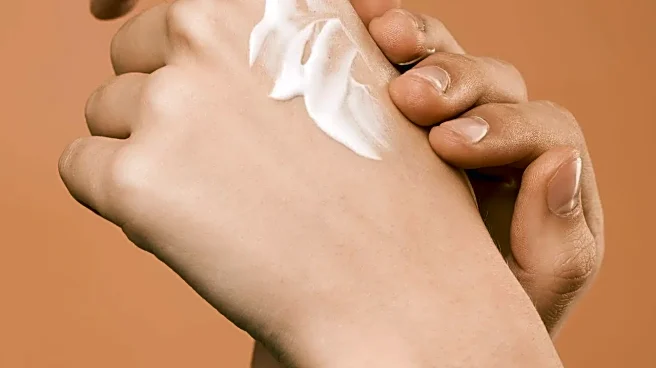
or worsened by the overuse and improper layering of skincare products. The trend, gaining traction on platforms like TikTok with practices such as 'skin cycling,' emphasizes that an excessive number of products can overwhelm the skin barrier, leading to inflammation, persistent redness, and stubborn breakouts. Applying too many active ingredients like exfoliating acids and retinoids consecutively can strip essential lipids, causing increased water loss and micro-inflammation within hair follicles. Additionally, disrupting the skin's natural pH balance through over-cleansing or aggressive toning can foster the growth of acne-causing bacteria. Heavy oils and occlusive creams applied before lighter layers have absorbed can also physically clog pores by trapping dead skin cells and sebum, leading to microcomedones and subsequent breakouts.
Why It's Important?
The growing endorsement of skinimalism by dermatologists signifies a crucial re-evaluation of consumer skincare practices, moving away from the prevalent belief that more products equate to healthier skin. This trend has significant implications for the beauty industry, potentially shifting consumer demand from extensive product lines to more concentrated, multi-functional formulations. For consumers, understanding the risks of 'acne cosmetica' can lead to healthier skin outcomes, reducing the frustration and financial burden associated with ineffective or counterproductive skincare regimens. The emphasis on barrier health and pH balance highlights a more scientific and less marketing-driven approach to skincare, empowering individuals to make informed choices. This shift could also influence how beauty influencers and brands market products, promoting efficacy and simplicity over complex routines, ultimately benefiting consumers by preventing skin damage and promoting long-term skin health.
What's Next?
The skinimalism trend is expected to continue gaining momentum, driven by dermatologist recommendations and social media influence. Consumers are likely to seek out brands offering simplified, effective products that support skin barrier health rather than overwhelming it. This could lead to a market shift where brands focus on developing multi-tasking formulations and educating consumers on proper product application and ingredient synergy. We may see a decline in the popularity of extensive, multi-step skincare kits and an increase in demand for expert-guided, personalized minimalist routines. Dermatologists will likely continue to advocate for simpler routines, further solidifying skinimalism as a mainstream approach to skincare. The beauty industry may also adapt by emphasizing ingredient quality and scientific backing over sheer product volume, potentially leading to more sustainable and effective skincare solutions.
Beyond the Headlines
Beyond the immediate benefits of clearer skin, the skinimalism movement reflects a broader cultural shift towards minimalism and conscious consumption. In an era of overwhelming choices and information, consumers are increasingly seeking simplicity and efficacy in various aspects of their lives, including personal care. This trend challenges the consumerist notion that 'more is better,' encouraging a more thoughtful and intentional approach to beauty. Ethically, it promotes a healthier relationship with one's skin, moving away from the pressure to achieve 'perfect' skin through endless products and towards nurturing skin health. Legally, as dermatologists increasingly highlight the negative impacts of complex routines, there might be a greater scrutiny on product claims and marketing strategies that encourage excessive product use. Culturally, skinimalism aligns with wellness trends that prioritize overall well-being and self-care through simplified, sustainable practices, potentially influencing other lifestyle choices.