








What's Happening?
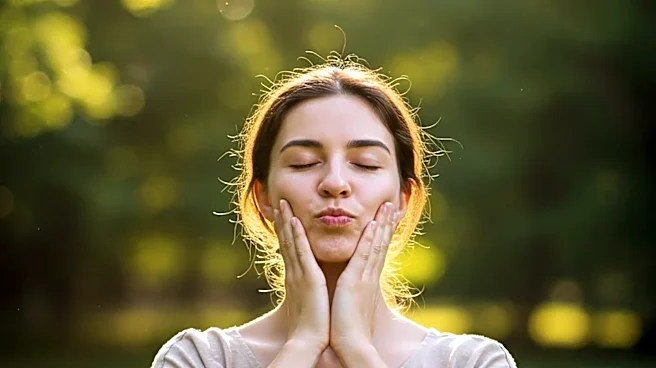
Facial yoga is gaining attention for its approach to improving facial appearance and comfort by targeting the muscles rather than just the skin. Unlike facial massage, which primarily addresses the skin's surface and fluid retention, facial yoga aims
to enhance the myofascial system of the face, neck, and head. This method focuses on muscle tone and support, with the potential to create more structural and lasting changes. While facial massage can offer immediate, temporary improvements in puffiness and skin brightness, facial yoga seeks deeper, more sustained results by working on the underlying musculature. Some routines, however, may only work on the surface of the muscle, limiting their effectiveness for deeper structural changes. The practice also emphasizes the importance of addressing the neck, chest, and skull base, as these areas significantly influence facial support.
Why It's Important?
The distinction between facial yoga and other facial treatments like massage is important for consumers seeking specific outcomes. Understanding that facial yoga targets muscles, while massage focuses on skin and fluid, helps individuals choose the most appropriate method for their goals. This trend highlights a shift in the beauty and wellness industry towards more holistic and structural approaches to facial aesthetics, moving beyond superficial treatments. For those experiencing issues like drooping eyelids or jawline concerns, a deeper understanding of facial anatomy and the role of muscle work is crucial. The emphasis on the interconnectedness of the face with the neck, chest, and skull base also underscores a broader recognition of the body's integrated systems in overall well-being and appearance. This could influence product development and service offerings in the U.S. beauty and wellness market, leading to more specialized and targeted solutions.
What's Next?
The growing interest in facial yoga suggests a potential increase in specialized studios and digital resources, such as apps, offering guided exercises. As more individuals seek natural and non-invasive methods for facial improvement, there may be a rise in demand for certified facial yoga instructors and tailored programs. Further research into the long-term efficacy of facial yoga for various concerns, such as facial asymmetry or muscle tone, could also emerge. The integration of facial yoga principles into broader wellness routines, alongside practices like traditional yoga and meditation, is also a likely development. This could lead to a more comprehensive approach to self-care that addresses both physical appearance and underlying muscular health.
Beyond the Headlines
The rise of facial yoga reflects a deeper cultural trend towards self-care and natural beauty solutions, moving away from purely cosmetic interventions. It encourages individuals to engage actively in their own well-being through mindful practices. This approach also highlights the often-overlooked connection between facial tension, stress, and overall physical health. By focusing on muscle engagement and the myofascial system, facial yoga promotes a more integrated understanding of the body, where facial appearance is seen as a reflection of underlying structural and muscular health. This could foster a greater appreciation for the body's natural healing capabilities and encourage a more holistic view of beauty that prioritizes health and function over superficial fixes.