









What's Happening?
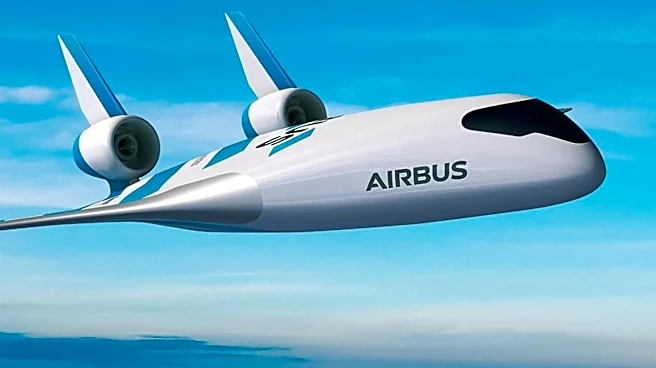
German defense startup Quantum Systems has raised $1.2 billion in a funding round backed by Airbus, doubling its valuation to $8 billion. The funding will enable Quantum Systems to increase production capacity and expand its global presence. The company
is focusing on developing future autonomous systems and has introduced the Pulse P19, an optionally piloted light military aircraft for surveillance and counter-drone roles, expected to be operational by 2028.
Why It's Important?
The significant investment in Quantum Systems underscores the growing interest and confidence in defense startups, particularly those focusing on autonomous and unmanned systems. This funding round not only boosts Quantum Systems' capabilities but also strengthens its partnership with Airbus, potentially leading to further innovations in defense technology. The development of the Pulse P19 aircraft highlights the increasing demand for versatile and cost-effective military solutions, which could influence future defense strategies and procurement decisions globally.
What's Next?
With the new funding, Quantum Systems is poised to accelerate its research and development efforts, particularly in autonomous systems. The company will likely focus on enhancing its technological offerings and expanding its market reach. The collaboration with Airbus may lead to joint projects and innovations that could set new standards in the defense industry. As the Pulse P19 aircraft progresses towards operational readiness, it will be crucial for Quantum Systems to navigate regulatory and production challenges to meet its 2028 service target.
Beyond the Headlines
The success of Quantum Systems in securing substantial funding highlights a broader trend of increased investment in defense technology startups. This trend reflects a shift towards innovative and agile solutions in military operations, driven by the need for cost-efficiency and technological superiority. The focus on autonomous systems also raises ethical and regulatory considerations, as the integration of AI and unmanned technologies in defense applications continues to evolve.