





What's Happening?
The Indian travel industry is increasingly relying on niche social media influencers to drive travel decisions, particularly among Gen Z and regional audiences. Recent reports indicate that 41% of surveyed Indian travelers use creators for itinerary planning,
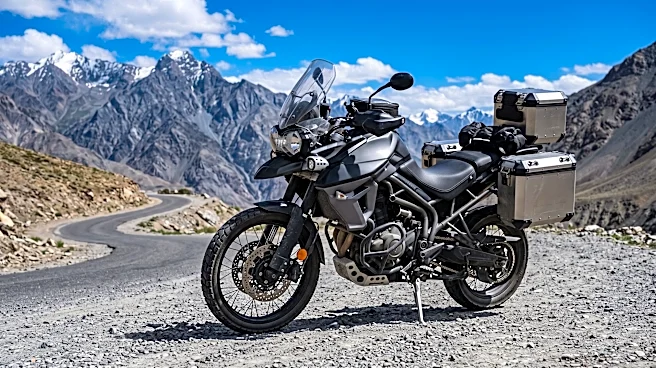
with nearly 60% finding them highly persuasive. Millennial and Gen Z travelers are leading this trend, with over 40% influenced by influencer marketing for their travel choices. Instagram and YouTube are key platforms, with 70% of Gen Z Indians seeking holiday inspiration there, and 43% selecting destinations based on their visual appeal for social media. Travel brands are responding by shifting budgets from celebrity endorsements to niche creators, including foodies, bikers, and budget backpackers, who offer authentic and relatable content. This strategy has shown significant results, such as WanderOn's Ladakh campaign, which used a podcaster and a reality TV star to generate an 8 million-view vlog series and a 35% surge in booking queries.
Why It's Important?
While this report focuses on India, the trend of leveraging niche influencers for travel marketing has significant implications for the U.S. travel industry. As U.S. consumers, particularly younger demographics, increasingly turn to social media for travel inspiration, American travel brands can learn from India's successful pivot. The emphasis on authenticity and relatability from niche creators can resonate strongly with diverse U.S. audiences, offering a more targeted and potentially more effective marketing approach than broad celebrity endorsements. This shift could lead to U.S. travel companies reallocating marketing budgets towards micro and macro-influencers who can connect with specific communities, whether based on interests, demographics, or regional identities. It also highlights the growing importance of visual platforms like Instagram and YouTube in shaping travel decisions, influencing how U.S. destinations and travel services are promoted.
What's Next?
The U.S. travel industry is likely to see a continued expansion of influencer marketing, with a greater focus on identifying and collaborating with niche creators who can deliver high engagement and measurable results. This could lead to the development of more sophisticated influencer marketing platforms and agencies specializing in travel. Brands may invest more in data analytics to track the effectiveness of influencer campaigns, moving beyond simple follower counts to evaluate actual booking conversions and return on investment. Furthermore, as the market matures, there will be an increased emphasis on transparent partnerships and authentic content to maintain consumer trust. The success of diverse influencer pairings, as seen in India, might also encourage U.S. brands to experiment with unconventional collaborations to reach broader and more varied audiences.
Beyond the Headlines
The reliance on niche influencers reflects a broader cultural shift towards personalized and community-driven content consumption. For the U.S., this trend could deepen the fragmentation of media consumption, making it more challenging for traditional advertising to reach mass audiences. It also raises questions about the long-term impact of social media on travel experiences, as destinations might be increasingly chosen for their 'Instagrammability' rather than other intrinsic qualities. The rise of regional creators, even in the U.S. context, suggests a growing demand for content that reflects local perspectives and caters to specific cultural nuances. This could empower smaller travel businesses and local destinations to gain visibility through targeted influencer collaborations, fostering economic growth in diverse regions. However, it also necessitates careful consideration of ethical guidelines for sponsored content to ensure transparency and maintain consumer trust.