




What's Happening?
A physical therapist has provided guidance on low-impact exercises to build glute strength, addressing concerns about lower-back pain associated with traditional glute workouts. Dr. Christynne Helfrich, a doctor of physical therapy at Hinge Health, explained
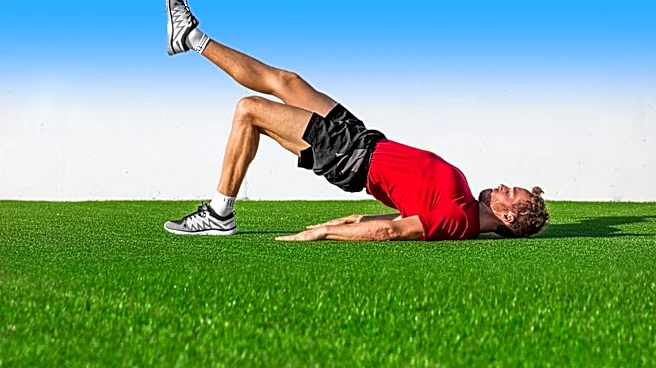
that improper activation of the glutes during exercises like hip thrusts can lead to lower-back discomfort. Helfrich suggests that when the glutes are not properly engaged, the lower-back muscles may compensate, causing pain. To address this, Helfrich recommends regressing exercises by reducing weight, decreasing the range of motion, or slowing down movements to focus on control. She also provided a list of five low-impact exercises aimed at improving hip, core, and lower-back coordination: sit-to-stand, glute bridge, hip hinge, clamshell, and lateral leg lift. These exercises are designed to enhance stability and control, making everyday movements and workouts more comfortable and efficient.
Why It's Important?
The advice from Dr. Helfrich is significant as it addresses a common issue faced by individuals engaging in strength training—lower-back pain. By focusing on proper form and low-impact exercises, individuals can continue to strengthen their glutes without exacerbating back issues. This approach is particularly relevant for those who may be new to exercise or returning after a break, as it emphasizes safety and gradual progression. The recommended exercises not only target the glutes but also improve overall functional movement, which is crucial for daily activities. This guidance can help prevent injuries and promote long-term fitness and health, making it valuable for a wide audience, including those who prefer home workouts.
What's Next?
Individuals experiencing lower-back pain during glute workouts may consider incorporating the recommended low-impact exercises into their routines. As they progress, they can gradually increase the intensity while maintaining proper form. Fitness enthusiasts and trainers might also explore additional resources or consult with physical therapists to tailor exercise programs that address specific needs and limitations. The emphasis on form and control could lead to broader discussions within the fitness community about the importance of technique over intensity, potentially influencing workout trends and training methodologies.
Beyond the Headlines
This development highlights the importance of understanding body mechanics and the role of different muscle groups in exercise. It underscores the need for education on proper exercise techniques to prevent injuries and optimize performance. The focus on low-impact exercises also aligns with a growing trend towards sustainable fitness practices that prioritize long-term health over short-term gains. This approach may encourage more people to engage in regular physical activity, knowing they can do so safely and effectively, even with existing physical limitations.