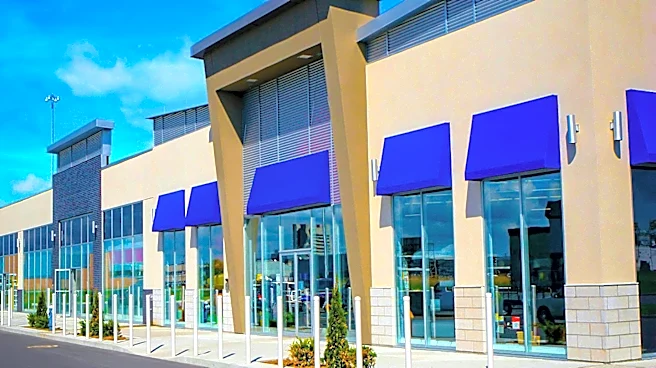







What's Happening?
Businesses in Florida are evaluating the strategic decision of whether to purchase commercial real estate or continue leasing. This decision involves a comprehensive assessment of financial stability, long-term business plans, and market conditions. While
owning commercial property can offer stability and control, leasing provides flexibility and preserves capital for other operational priorities. Key factors influencing this choice include consistent cash flow, sufficient capital for acquisition and associated costs, and the expectation of remaining in the same location for an extended period. The process often involves understanding various financing options, such as SBA 7(a) and 504 loans, and conducting thorough due diligence on property taxes, insurance, maintenance, and potential improvements. The decision is not merely about monthly payments but about the overall economic and operational impact on the business.
Why It's Important?
The choice between owning and leasing commercial real estate significantly impacts a business's financial health and long-term strategic positioning in the U.S. market, particularly in growing regions like Southwest Florida. Ownership can build equity and provide greater control over renovations, expansion, and property use, which can be crucial for businesses with stable operations and long-term growth projections. Conversely, leasing offers flexibility, allowing businesses to adapt to changing market demands or relocate without the burden of property ownership. This flexibility is vital for startups or companies in dynamic industries. Understanding the full cost of ownership, including hidden expenses like property taxes, insurance, and maintenance, is critical to avoid unforeseen financial strain. The decision also affects a business's access to capital, as funds tied up in real estate might otherwise be used for hiring, equipment, or inventory, influencing competitiveness and growth potential.
What's Next?
Businesses considering commercial real estate acquisition are advised to engage with lenders early in the process to understand financing capabilities and requirements. This proactive approach helps in assessing the feasibility of a purchase and aligning it with business goals. Lenders typically require detailed financial information, including tax returns, financial statements, and business plans, to evaluate creditworthiness and the proposed property's viability. Furthermore, businesses should conduct a thorough legal and financial review of any potential lease or purchase agreement before signing. This includes scrutinizing clauses related to landlord default, force majeure, personal guarantees, and dispute resolution. The ongoing evaluation of market conditions, property values, and interest rates will continue to influence these decisions, with many businesses likely to seek expert advice to navigate the complexities of commercial real estate transactions.
Beyond the Headlines
The debate between owning and leasing commercial real estate extends beyond immediate financial considerations, touching upon deeper aspects of business autonomy and risk management. Ownership can foster a sense of permanence and community integration, potentially enhancing a business's brand identity and employee morale. However, it also introduces significant responsibilities, such as property management and liability, which can divert resources from core business activities. The long-term implications of real estate decisions can shape a company's resilience against economic downturns or market shifts. For instance, a business owning its property might be better positioned to weather rent increases during inflationary periods but could face liquidity challenges if property values decline. Conversely, a leasing business might have greater agility but remains subject to landlord decisions and market rental fluctuations. The strategic alignment of real estate choices with a business's mission and values is paramount for sustainable success.