






What's Happening?
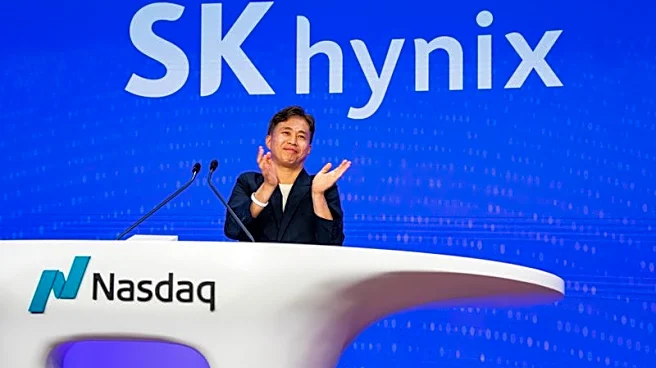
SK hynix CEO Kwak Noh-Jung has projected that the ongoing memory supply crisis will extend beyond 2030. Despite efforts to expand capacity, the demand for memory continues to outpace supply. The company plans to use capital from its recent Nasdaq listing
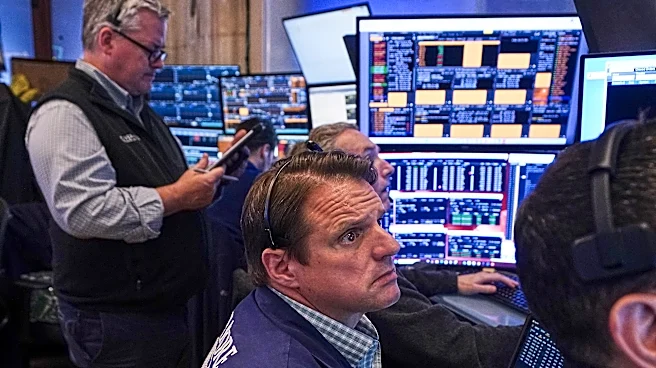
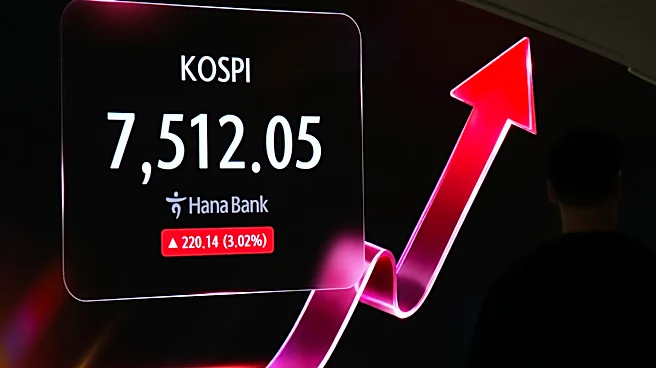
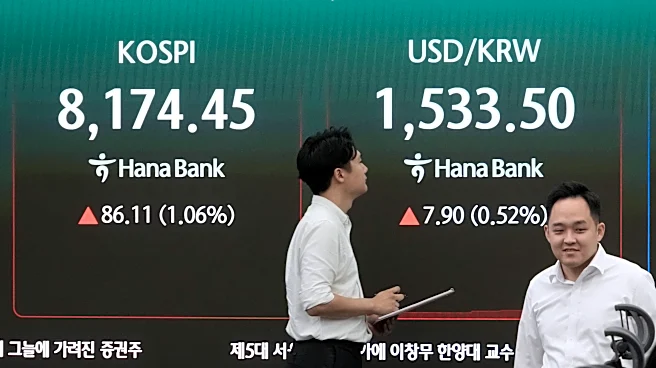
to fund new construction projects in South Korea, including a fabrication hub in Yongin and an advanced packaging facility in Cheongju. Additionally, SK hynix is considering global sites for future wafer fabrication investments, with the US, Japan, and Southeast Asia under consideration. The company's shares experienced significant volatility, with a notable decline in Seoul following the Nasdaq listing.
Why It's Important?
The prolonged memory supply crisis has significant implications for the tech industry, affecting everything from consumer electronics to data centers. As demand for memory continues to rise, companies may face increased costs and potential shortages, impacting production and innovation. The volatility in SK hynix's stock reflects investor concerns about the balance between supply and demand, as well as the broader economic implications of the crisis. The situation underscores the importance of strategic investments in capacity expansion and the potential risks associated with market fluctuations.
What's Next?
SK hynix's plans to expand its production capacity are crucial to addressing the supply-demand imbalance. The company's consideration of global sites for wafer fabrication could lead to significant investments in the US, Japan, or Southeast Asia, depending on which location offers the greatest business advantage. The tech industry will be closely monitoring these developments, as well as the potential impact of South Korea's investments in the AI chip industry, which could further influence memory supply dynamics.