






What's Happening?
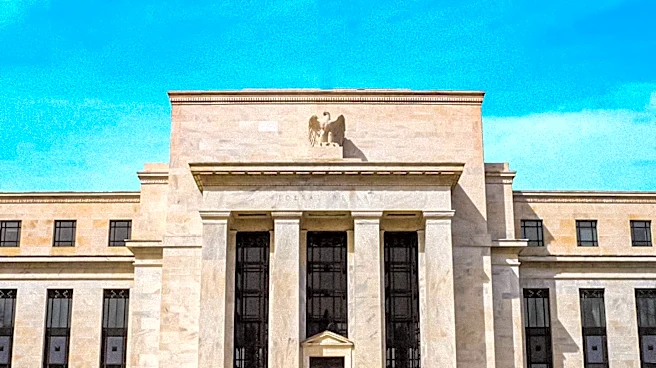
The Federal Reserve Board announced on Thursday the execution of a Consent Cease-and-Desist Order against Rush F. Harding III, a former employee of First Security Bancorp. The enforcement action was taken due to Harding's breach of fiduciary duty and violation
of Regulation W. The initial announcement on November 19, 2026, incorrectly described the enforcement type as a 'Consent Prohibition' but was later revised to accurately state 'Consent Cease-and-Desist Order.' This action signifies the Federal Reserve's commitment to upholding regulatory standards and addressing misconduct within the banking sector.
Why It's Important?
This enforcement action by the Federal Reserve Board against a former banking employee underscores the stringent regulatory environment governing financial institutions in the U.S. A breach of fiduciary duty and violation of Regulation W are serious offenses that can undermine public trust in the banking system and potentially lead to financial instability. Regulation W, in particular, is designed to prevent banks from engaging in transactions with affiliates that could pose risks to the bank or its depositors. The Federal Reserve's willingness to take formal action, even against former employees, demonstrates its commitment to maintaining the integrity and safety of the financial system. Such actions serve as a deterrent against future misconduct and reinforce the importance of ethical conduct and compliance within the banking industry, ultimately protecting consumers and the broader economy.
What's Next?
The Consent Cease-and-Desist Order against Rush F. Harding III is a final action, meaning the immediate consequences for Harding are in effect as stipulated by the order. For First Security Bancorp, this event may prompt an internal review of compliance procedures and employee oversight to prevent similar incidents in the future. The Federal Reserve will continue its oversight of financial institutions, and similar enforcement actions may be taken against individuals or entities found to be in breach of fiduciary duties or in violation of banking regulations. This action reinforces the ongoing regulatory scrutiny within the U.S. financial sector, signaling to all banking professionals the serious repercussions of non-compliance and unethical behavior. The broader banking industry will likely take note, reinforcing the need for robust internal controls and adherence to regulatory frameworks.
Beyond the Headlines
The enforcement action against Rush F. Harding III highlights the critical role of fiduciary duty and regulatory compliance in maintaining the stability and trustworthiness of the U.S. financial system. A breach of fiduciary duty implies a failure to act in the best interest of the client or institution, which can have far-reaching ethical and financial consequences. Regulation W, specifically, aims to prevent conflicts of interest and ensure that transactions between a bank and its affiliates are conducted on an arm's-length basis, thereby safeguarding the bank's assets and protecting depositors. This case serves as a reminder that even seemingly isolated incidents of misconduct can trigger significant regulatory intervention. The Federal Reserve's consistent enforcement actions contribute to a culture of accountability within the banking sector, which is essential for preventing systemic risks and preserving public confidence in financial markets. The long-term implication is a continuous reinforcement of ethical standards and regulatory adherence across the industry.