



What's Happening?
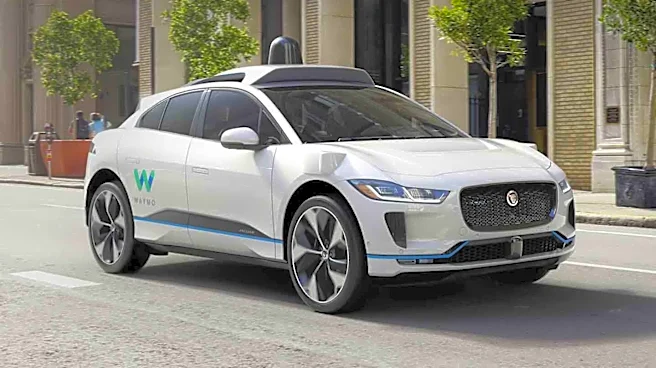
Waymo, a leading provider of commercial robotaxi services, is preparing to launch its fully autonomous ride-hailing service in Munich, Germany. The company will begin by manually driving vehicles across the city to map local street networks and conduct
testing with trained autonomous specialists. This phased approach aims to ensure the Waymo Driver technology seamlessly adapts to Munich's specific driving conditions. Waymo plans to open commercial ride-hailing to the public towards the end of 2027. This expansion marks a significant milestone in Waymo's global strategy, bringing its technology to a major hub for automotive engineering and urban mobility. The company has already completed over 20 million autonomous trips and serves hundreds of thousands of commercial rides weekly in other locations.
Why It's Important?
Waymo's entry into the German market signifies a major step in the global adoption of autonomous vehicle technology. Germany, known for its robust automotive industry and ambitious goals for safer roads, provides a critical testing ground and potential growth market for self-driving cars. The move highlights Germany's attractiveness as a location for autonomous mobility services, with local officials emphasizing the need to improve framework conditions, reduce red tape, and remove regulatory barriers to facilitate real-world deployment. This development could accelerate the transformation of the automotive industry, fostering innovation and potentially creating high-skilled jobs in local fleet operations. The success of Waymo in Munich could also influence regulatory approaches and public acceptance of autonomous vehicles across Europe and beyond.
What's Next?
In the coming weeks, Waymo vehicles will be visible on the streets of Munich as the company commences high-definition mapping and manual testing with autonomous specialists. This validation period is crucial for adapting the Waymo Driver to Munich's distinct driving environment. Waymo is actively engaging with local, state, and federal officials to secure the necessary regulatory approvals for its operations. The company aims to launch commercial ride-hailing services to the public by the end of 2027. This timeline suggests a period of intensive testing, data collection, and regulatory navigation before full commercial deployment. The progress in Munich will likely be closely watched by other cities and countries considering the integration of autonomous ride-hailing services.
Beyond the Headlines
Waymo's expansion into Munich carries broader implications beyond just transportation. The company's data, showing significantly fewer serious injury crashes compared to human drivers, suggests a potential for enhanced road safety. This could lead to a re-evaluation of urban planning and infrastructure to better accommodate autonomous vehicles and improve overall traffic safety. Furthermore, the introduction of autonomous ride-hailing could offer increased mobility and independence for underserved communities, such as the blind and visually impaired, as highlighted by the CEO of Schubert & Wetzel Guide Dog School. The initiative also underscores the ongoing global competition in artificial intelligence and autonomous technology, with Germany aiming to be a leader in innovation and manufacturing in this sector. The collaboration between a U.S. tech giant and German authorities could set precedents for international partnerships in advanced mobility solutions.