




What's Happening?
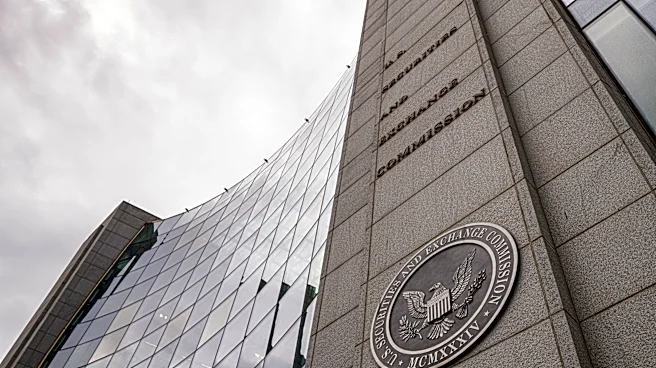
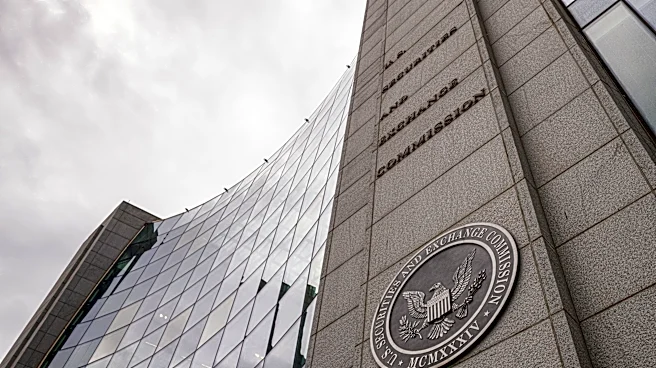
The U.S. Securities and Exchange Commission (SEC) formally proposed a plan on Friday to directly take over the Consolidated Audit Trail (CAT) system, a comprehensive market surveillance system for Wall Street. This move aims to address long-standing disputes
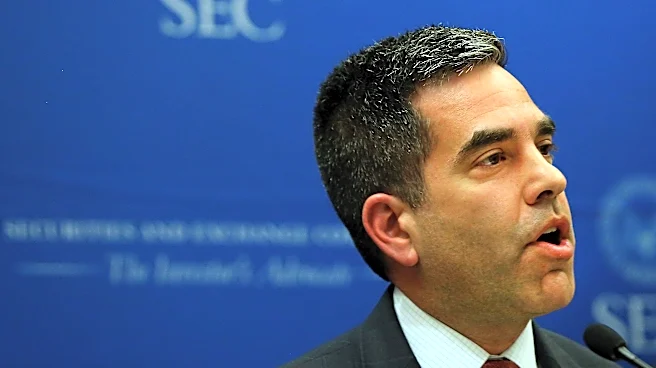
over operational costs and privacy concerns. SEC Chairman Paul Atkins emphasized that the new structure would make CAT more accountable in governance and more disciplined in cost, benefiting securities exchanges, operators, and market participants. The CAT system, mandated by the SEC after the 2010 'Flash Crash,' is the only tool in the U.S. capable of integrating and reconstructing every order, route, and transaction record for listed stocks and options in real-time, making it crucial for investigating insider trading and market manipulation. Currently, the system is operated by a FINRA-affiliated organization and funded by the industry, leading to continuous disagreements between investment institutions and exchange operators over the allocation of development and maintenance costs. Although annual operating costs have been significantly reduced by approximately 45% to $137 million since 2024, the SEC believes governance adjustments are still necessary. The new proposal suggests that major securities exchanges and brokers would collect transaction data independently and report it directly to the SEC or its designated agencies, giving regulators direct control over CAT.
Why It's Important?
This proposed change is significant for the U.S. financial markets as it centralizes control of a critical surveillance tool under the SEC, potentially enhancing regulatory efficiency and market integrity. By bringing CAT under direct SEC oversight, the agency aims to resolve persistent funding and governance issues that have plagued the system since its inception. This shift could lead to more streamlined investigations into market abuses like insider trading and manipulation, fostering greater investor confidence. However, the proposal also introduces new risks, particularly concerning the system's funding. Integrating CAT's operational costs into the U.S. Congress's annual appropriation process could expose it to funding disruptions during potential government shutdowns, a concern raised by some exchange operators and market participants. The previous decision by the SEC to stop collecting and storing sensitive personal investor data, such as names, addresses, and birth dates, was a concession to conservative critics who argued against privacy infringements. This new proposal, while addressing governance, must balance regulatory needs with operational stability and privacy considerations.
What's Next?
The proposed regulatory reform will now enter a 60-day public comment period, during which various stakeholders, including financial institutions, market participants, and privacy advocates, will provide feedback. After collecting these responses, the SEC will decide whether to adopt the final version of the proposal. The outcome of this consultation period will determine the future operational and governance structure of the CAT system. The SEC's decision to retain and reorganize CAT, rather than abolish it entirely as advocated by some conservative policy blueprints like 'Project 2025' (which SEC Chairman Paul Atkins himself contributed to), indicates a commitment to maintaining a robust market surveillance mechanism. The debate will likely focus on the balance between regulatory control, funding stability, and data privacy, with potential for further adjustments based on public and industry input.
Beyond the Headlines
The SEC's move to directly manage the CAT system reflects a broader trend towards increased regulatory oversight in financial markets, particularly in response to technological advancements and the growing complexity of trading. The initial creation of CAT was a direct consequence of the 2010 Flash Crash, highlighting the need for real-time, comprehensive data to understand and prevent market dislocations. This latest proposal underscores the ongoing tension between the need for robust market surveillance to prevent fraud and manipulation, and concerns about data privacy and the financial burden on market participants. The decision to fund CAT through congressional appropriations, while offering a stable source of funding, also politicizes its budget, potentially making it vulnerable to broader political disputes. The evolution of CAT's governance and funding mechanisms will serve as a case study in how regulatory bodies adapt to technological change while navigating complex political and economic landscapes, ultimately shaping the future of market transparency and investor protection in the U.S.