





What's Happening?
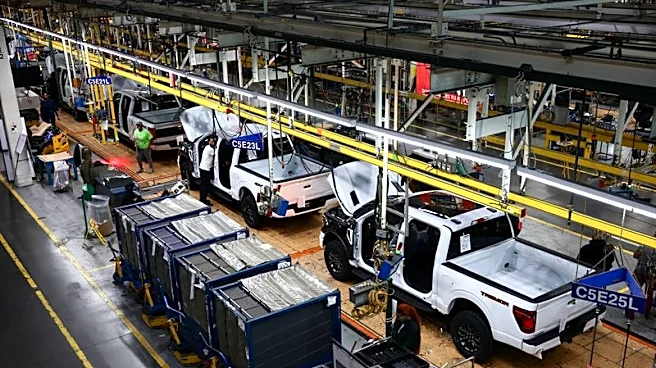
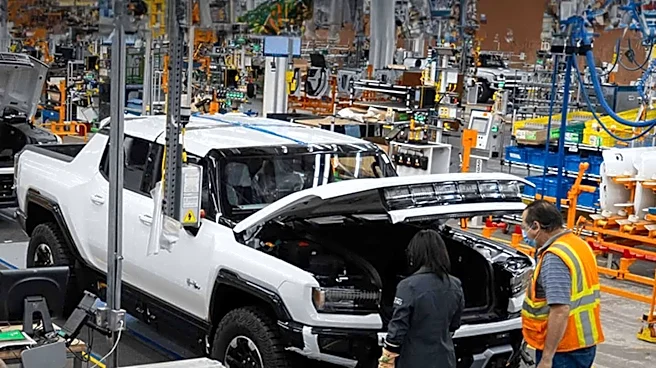
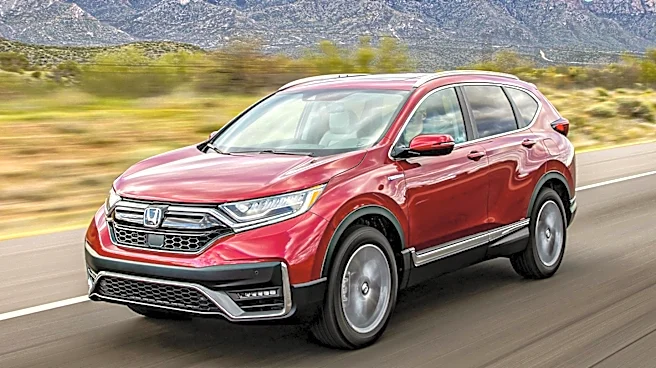
Honda is reportedly considering a significant investment, estimated between $1.8 billion and $2.5 billion, to establish a new manufacturing plant in Ohio. This facility would be dedicated to producing larger hybrid vehicles, specifically SUVs, with operations
potentially commencing in 2030. Construction could begin as early as 2027, aiming for an annual production capacity of 250,000 units. This move is part of Honda's broader strategy to introduce 15 next-generation hybrid models, primarily in North America, by 2030, featuring an entirely new hybrid system and platform. The initiative follows Honda's recent reversal of several electric vehicle (EV) decisions, which led to substantial restructuring costs and the company's first annual loss in nearly 70 years as a public entity. The proposed Ohio plant and the focus on hybrids are seen as a direct response to Toyota's strong position in the hybrid market, where Toyota currently offers 15 hybrid nameplates compared to Honda's four.
Why It's Important?
This potential investment by Honda in an Ohio hybrid plant signifies a strategic shift in the U.S. automotive market, particularly concerning the competition between major manufacturers in the hybrid segment. Toyota has historically dominated this sector, partly due to its early adoption of hybrid technology and the recent removal of EV tax credits, which has made hybrids more attractive. Honda's commitment to launching 15 new hybrid models and potentially establishing a dedicated U.S. production facility could significantly alter the competitive landscape. It indicates a recognition of sustained consumer demand for hybrids, driven by factors such as fluctuating gas prices, persistent concerns about EVs, and overall market affordability. For U.S. consumers, this could mean a wider array of hybrid SUV options, potentially increasing competition and innovation in the market. For the state of Ohio, the plant represents a substantial economic boost through job creation and investment, though negotiations regarding state subsidies are still ongoing.
What's Next?
The immediate next steps involve ongoing negotiations between Honda and state authorities regarding potential subsidies for the Ohio plant. If these discussions are successful, construction could commence as early as 2027, with the goal of beginning production by 2030. Concurrently, Honda will continue its development and rollout of 15 next-generation hybrid models, which are expected to feature an all-new hybrid system and platform. The success of this strategy will depend on consumer acceptance of these new models and Honda's ability to effectively compete with Toyota's established hybrid lineup. The automotive industry will closely watch how this renewed focus on hybrids impacts Honda's financial performance and market share, especially after its recent EV-related losses. The outcome of this investment could also influence other automakers' strategies regarding their hybrid and EV portfolios in the U.S. market.
Beyond the Headlines
Honda's pivot towards hybrid technology, particularly with a potential U.S. manufacturing base, highlights a broader recalibration within the automotive industry regarding electrification strategies. The initial aggressive push towards pure EVs by many manufacturers is being tempered by market realities, including infrastructure challenges, consumer range anxiety, and the impact of policy changes like the removal of EV tax credits. This shift suggests that hybrids are increasingly viewed not just as a transitional technology but as a viable long-term solution that balances environmental concerns with practical consumer needs. The decision to invest heavily in U.S. production for hybrids also underscores the importance of localized manufacturing for major automakers, potentially driven by supply chain resilience, trade policies, and the desire to cater more directly to regional market demands. This strategic move by Honda could set a precedent for other manufacturers to re-evaluate their own electrification timelines and investment priorities, potentially leading to a more diversified and robust market for alternative fuel vehicles in the U.S.