




What's Happening?
J.Crew and Eckhaus Latta have announced a limited-edition collection, with designers Mike Eckhaus and Zoe Latta reinterpreting classic J.Crew staples. The collection, which became available on Tuesday at jcrew.com and in select J.Crew stores, is priced
between $75 and $650. The collaboration was sparked by the positive response to Eckhaus Latta's version of the J.Crew Rollneck sweater, created for the brand's 'Rollneck Remix' project earlier this year, which prompted the development of a full range. Research for the collection delved into J.Crew's extensive catalogue archive, with designers drawing inspiration from the color palettes, proportions, and signature styles prevalent in the 1990s. Recognizable pieces such as the barn jacket, Rollneck, rugby shirt, chinos, pleated skirt, twinset, and duffle coat have been reimagined through alterations in texture, cut, and construction. Eckhaus and Latta stated that J.Crew, as an iconic American brand with a rich heritage, served as their primary inspiration, with the 90s catalogues being a significant reference point that shaped their aesthetics.
Why It's Important?
This collaboration signifies a strategic move for both J.Crew and Eckhaus Latta within the competitive U.S. fashion market. For J.Crew, partnering with a contemporary, avant-garde brand like Eckhaus Latta allows it to refresh its image, attract a younger, fashion-forward demographic, and inject new creative energy into its classic offerings. It leverages J.Crew's heritage while demonstrating its adaptability and relevance in modern fashion. For Eckhaus Latta, the collaboration provides broader commercial exposure and access to J.Crew's established customer base, potentially expanding its market reach beyond its niche luxury audience. The collection's focus on reimagining 90s staples taps into a strong trend of nostalgia in fashion, appealing to consumers who appreciate both vintage aesthetics and contemporary design. This type of partnership can generate significant buzz, drive sales, and create a unique product offering that stands out in a crowded retail landscape, benefiting both brands by enhancing their brand equity and market position.
What's Next?
The success of the J.Crew x Eckhaus Latta collaboration will likely be measured by sales performance, media coverage, and consumer engagement. If the collection performs well, it could pave the way for future collaborations between J.Crew and other contemporary designers, further solidifying its strategy of blending heritage with modern aesthetics. Other established American brands might observe this partnership as a model for revitalizing their own product lines and attracting new customers. For Eckhaus Latta, a successful collaboration could lead to increased brand recognition and opportunities for further mainstream partnerships, while maintaining its artistic integrity. The fashion industry will be watching to see if this collaboration effectively bridges the gap between mass-market appeal and high-fashion sensibility, potentially influencing future trends in designer partnerships and retail strategies focused on limited-edition drops and nostalgic themes.
Beyond the Headlines
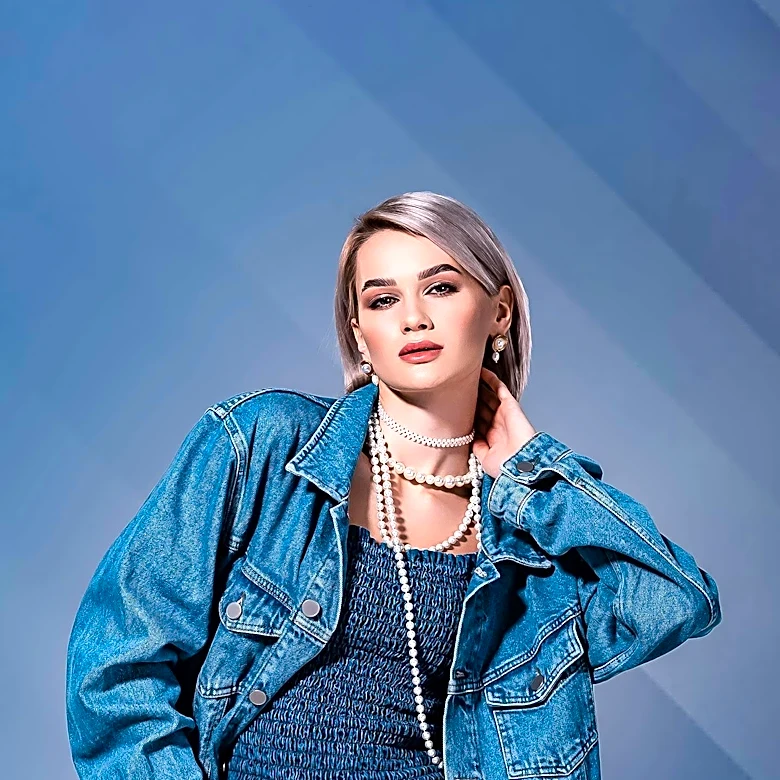
This collaboration highlights a broader trend in the fashion industry where established brands are increasingly seeking partnerships with independent or emerging designers to stay relevant and innovative. It reflects a shift towards creating unique, story-driven products that offer consumers more than just clothing, but also a piece of cultural narrative and exclusivity. The use of J.Crew's 90s catalogues as inspiration speaks to the cyclical nature of fashion and the power of archival research in generating new ideas. Furthermore, the campaign, shot by Luna Conte and directed by Brett Milspaw, featuring a diverse cast of artists, athletes, musicians, and academics in a house party setting, emphasizes a focus on community and authenticity. This approach aims to foster emotional connections with consumers, moving beyond traditional marketing to create a more immersive and relatable brand experience, which is crucial in today's attention-driven economy.