






What's Happening?
Prebiotics are defined as selectively fermented ingredients that induce specific changes in the composition and activity of the gut microbiota, leading to health benefits for the host. For an ingredient to be classified as a prebiotic, it must resist
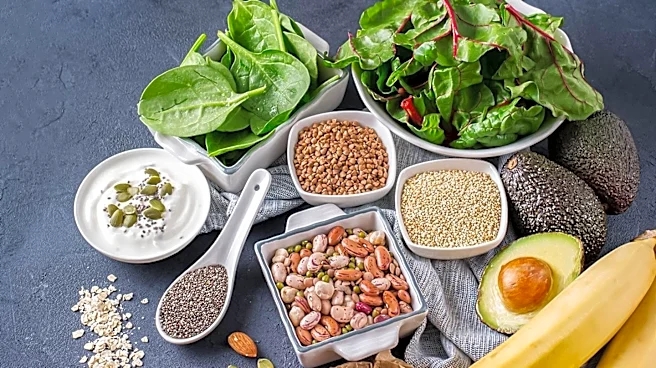
digestion in the upper gastrointestinal tract, be fermented by the gut microbiota in the large intestine, and selectively stimulate the growth and/or activity of beneficial bacteria, such as Bifidobacteria and Lactobacilli. Common examples of prebiotics include fructans (like inulin), lactulose, xylooligosaccharides (XOS), and mannanoligosaccharides (MOS). These compounds can be found naturally in foods such as onions, garlic, leeks, asparagus, bananas, and soybeans, or they can be produced through biotechnological processes. Prebiotics contribute to overall gut health by enhancing digestion, improving nutrient absorption, and bolstering immune function. They also play a role in managing conditions like lactose intolerance by fostering the growth of beneficial bacteria that assist in the digestion of dairy products. The selective fermentation of prebiotics leads to the production of short-chain fatty acids (SCFAs), which are crucial for maintaining the integrity of the gut lining and influencing systemic health.
Why It's Important?
The increasing understanding of the gut microbiome's profound impact on overall health makes prebiotics a significant area of focus in nutrition and public health. A healthy gut microbiome is linked to improved digestion, enhanced immune response, better mental health, and reduced risk of chronic diseases. By selectively nourishing beneficial gut bacteria, prebiotics help maintain a balanced microbial ecosystem, which is crucial for these functions. For the U.S. population, where digestive issues are common and there's a growing interest in wellness, prebiotics offer a dietary strategy to proactively support gut health. The food industry is increasingly incorporating prebiotics into various products, from yogurts to snack bars, reflecting consumer demand for functional foods. This trend can lead to broader public health benefits by making gut-healthy options more accessible, potentially reducing the prevalence of digestive discomforts and supporting long-term health outcomes. Furthermore, the role of prebiotics in modulating immune function could have implications for reducing susceptibility to infections and managing inflammatory conditions, which are significant public health concerns.
What's Next?
The future of prebiotics involves continued research into their specific mechanisms of action and their potential applications in various health conditions. Scientists are exploring novel prebiotic compounds and their targeted effects on different bacterial strains within the gut. This research aims to develop more personalized dietary recommendations and functional food formulations that can address specific health needs. We can expect to see an expansion of prebiotic-enriched foods and supplements in the market, with clearer labeling and consumer education on their benefits and proper usage. Regulatory bodies may also develop more specific guidelines for health claims related to prebiotics as scientific evidence accumulates. Additionally, the integration of prebiotics into clinical nutrition, particularly for patients with gastrointestinal disorders or compromised immune systems, is a promising area. As awareness grows, healthcare professionals may increasingly recommend dietary strategies that include prebiotics to support patient health, leading to a more holistic approach to wellness and disease prevention.
Beyond the Headlines
Beyond their direct impact on gut health, prebiotics have broader implications for understanding the intricate connection between diet, the microbiome, and systemic health. The concept of 'feeding' beneficial bacteria highlights a shift from simply avoiding harmful foods to actively consuming ingredients that promote a healthy internal environment. This perspective underscores the importance of dietary fiber, often lacking in Western diets, and elevates its status beyond mere bulk to a critical component for microbial health. Ethically, the rise of prebiotic-fortified foods raises questions about accessibility and equitable distribution of these health-promoting options, ensuring that all segments of the population can benefit. Legally, the regulation of health claims for prebiotics will be crucial to prevent misinformation and ensure consumer trust. Culturally, the growing interest in prebiotics reflects a broader societal trend towards proactive health management and a deeper appreciation for the body's internal ecosystems, moving beyond a purely symptomatic approach to health.