






What's Happening?
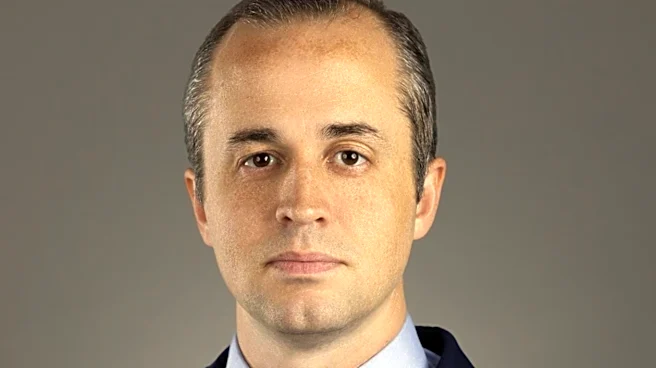
USA Rare Earth has announced the completion of its CEO succession plan, with Thras Moraitis, formerly the company's President, assuming the role of Chief Executive Officer. Moraitis will focus on integrating the company's rare-earth businesses, strengthening
execution, and serving customers who require secure supplies of critical materials. The company is actively building a fully integrated rare-earth and permanent-magnet value chain across the United States, Brazil, and the United Kingdom. This includes its ownership of Less Common Metals, a leading producer of rare-earth metals and alloys, and operations in Stillwater, Oklahoma, Brazil, and Texas. USA Rare Earth is pursuing capabilities across the entire value chain, from mining and metal-making to alloy production and neodymium magnet manufacturing. The company has organized its operations into three business units: Upstream (mining, processing, separation), Midstream (metals, alloys, powders), and Downstream (magnets and derivative products), with Moraitis leading the Upstream unit. This strategic move aims to enhance operational stability and customer service in sectors heavily reliant on rare earth materials.
Why It's Important?
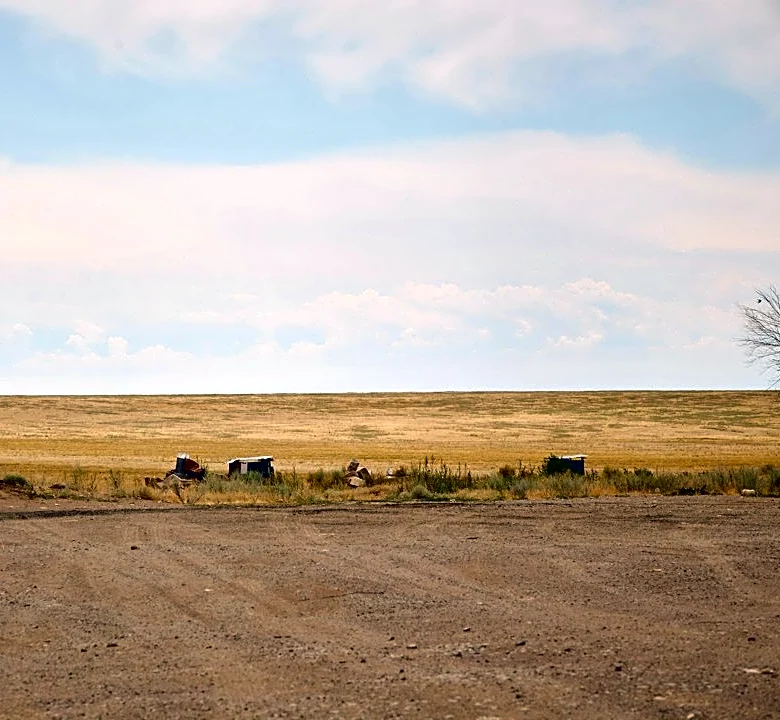
This leadership transition at USA Rare Earth is significant for the broader U.S. effort to establish a secure and Western-aligned supply chain for critical rare earth elements and permanent magnets. The U.S. has a strategic interest in reducing its reliance on foreign sources, particularly China, for these essential materials, which are vital for aerospace, defense, semiconductors, energy, data centers, and electric vehicles. By integrating its global operations and focusing on end-to-end capabilities from mining to magnet manufacturing, USA Rare Earth aims to provide a reliable domestic alternative. The company's assets, such as the Round Top deposit in Texas, which contains 15 of the 17 rare-earth elements, are crucial to this objective. A robust domestic supply chain for rare earths can bolster national security, support technological innovation, and create jobs within the U.S. The success of companies like USA Rare Earth is critical for the U.S. to achieve self-sufficiency in these strategic materials, mitigating geopolitical risks and ensuring the continuous supply needed for advanced industries.
What's Next?
Thras Moraitis's immediate priority as CEO will be to integrate USA Rare Earth's diverse rare-earth businesses and enhance operational execution. The company plans to establish clear accountability within its newly structured business units (Upstream, Midstream, and Downstream) to facilitate rapid integration, scaling, and customer delivery. A key upcoming milestone for USA Rare Earth's Round Top project in Texas is the completion of a definitive feasibility study, expected by the end of 2026, with results to be published in early 2027. This study will be crucial in determining the economic viability of the project and securing further investment. The company will also continue to develop its magnet manufacturing capacity in Stillwater, Oklahoma, and integrate its shareholding in Carester for heavy rare-earth separation engineering capabilities. These steps are vital for USA Rare Earth to solidify its position as a preferred partner for governments and industrial customers seeking secure alternative supply chains for critical minerals.
Beyond the Headlines
The appointment of Thras Moraitis as CEO and USA Rare Earth's strategic focus on vertical integration highlight a broader global trend towards securing critical mineral supply chains. The concentration of rare earth refining in a few countries, primarily China, has created vulnerabilities for many nations. The U.S. government, recognizing this, is actively promoting domestic production and processing of rare earths. This shift has significant implications for international trade relations, as countries vie for control over these essential resources. The development of a robust U.S. rare earth industry could lead to increased investment in advanced processing technologies and sustainable mining practices. Furthermore, it could foster greater collaboration between government, industry, and academia to address the technical challenges of rare earth extraction and separation. The long-term success of these initiatives will not only impact economic competitiveness but also play a crucial role in the transition to green energy and the advancement of high-tech sectors, reducing reliance on potentially unstable foreign supply lines.