


What's Happening?
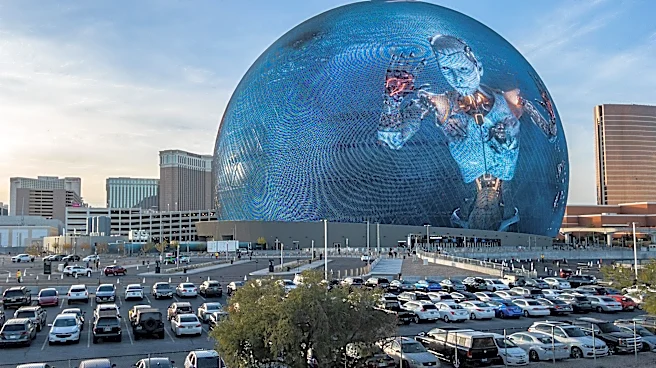
The Sphere, a newly opened entertainment venue in Las Vegas, has quickly become an integral part of the Las Vegas Grand Prix. Opened on September 29, 2023, the Sphere features a distinctive design with 54,000 square meters of LED displays on its exterior,
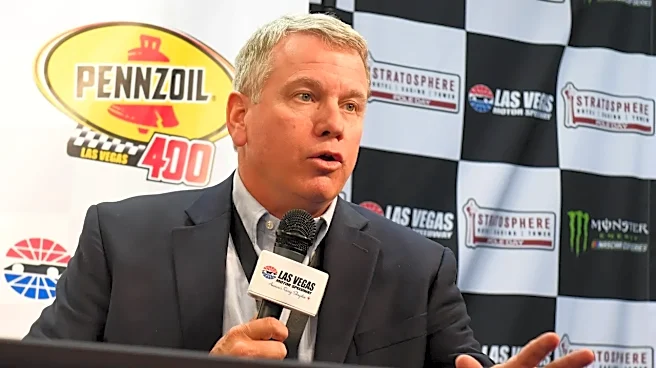
making it the world's largest video screen. During the Grand Prix, the Sphere displays a variety of race-related content, including yellow flags, live footage, driver portraits, and race updates. Its 112m high and 157m wide display has been used to show cars lapping the 6.201km track layout and even features an animated 'Orbi' emoji wearing a racing helmet. Austin Brown, VP of Marketing at the Las Vegas Grand Prix, noted that the Sphere syncs with FIA's circuit calls and displays content in real-time, combining F1's broadcast team cues with the Sphere team's on-site operations. Telemetry data from the race feed is also used to display information like fastest laps live on the Sphere.
Why It's Important?
The integration of the Sphere into the Las Vegas Grand Prix highlights a growing trend in sports and entertainment, where advanced technology and immersive visual experiences are used to enhance live events. For the Las Vegas Grand Prix, the Sphere serves as a massive, dynamic canvas that amplifies the spectacle, making the race more engaging for both on-site attendees and potentially a broader audience. This collaboration showcases how a major entertainment venue can become a key component of a large-scale sporting event, offering unique advertising opportunities and real-time information dissemination. The Sphere's ability to display diverse content, from race updates to driver profiles, enriches the fan experience and reinforces Las Vegas's reputation for grand, technologically advanced entertainment. This model could influence how other major sporting events integrate large-scale visual displays to create more immersive and memorable experiences.
What's Next?
The success of the Sphere's integration with the Las Vegas Grand Prix suggests a future where such venues become even more sophisticated in their real-time content delivery and interactive capabilities. Future Grand Prix events are likely to see continued and perhaps expanded use of the Sphere for dynamic race information, fan engagement, and promotional content. The partnership between the Sphere and the Grand Prix organizers could lead to further innovations in how sports events leverage cutting-edge display technology. This could also inspire other cities hosting major events to explore similar large-scale visual installations to enhance their offerings, potentially setting a new standard for event presentation and audience interaction in the sports and entertainment industries.
Beyond the Headlines
The Sphere's role in the Las Vegas Grand Prix extends beyond mere visual spectacle; it represents a significant evolution in how public spaces can be utilized for dynamic, real-time communication and entertainment. The venue's capacity to transform its exterior into a responsive, informative, and artistic display blurs the lines between architecture, advertising, and live media. This development raises questions about the future of urban landscapes, where buildings might increasingly serve as interactive screens, constantly adapting to events and public interests. It also highlights the ethical considerations of such pervasive visual media, including potential for information overload or commercialization of public views. The Sphere's success could pave the way for more cities to adopt similar large-scale digital canvases, fundamentally altering how people experience urban environments and major events within them.