



What's Happening?
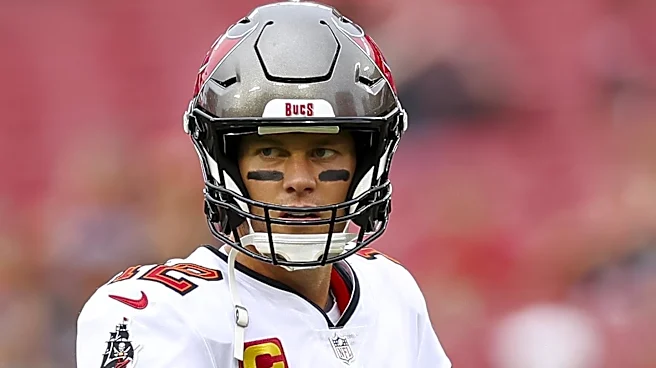
The National Football League (NFL) has admitted to a significant officiating mistake during a Week 5 game where a penalty for illegal hands to the face was incorrectly called against Tampa Bay Buccaneers defensive lineman Calijah Kancey. The league's
officiating department confirmed that the foul was actually committed by Dallas Cowboys guard Tyler Booker, but the penalty yardage was assessed against the Buccaneers. According to NFL officiating and rules analyst Walt Anderson, Booker placed his hands in Kancey's face, an action that was then miscommunicated and wrongly attributed to Kancey. Anderson noted that such clear errors should ideally be corrected by the league's officiating office immediately, and officials can seek clarification on player numbers if there is uncertainty. Despite Kancey reportedly indicating at the time that the call was incorrect, players have limited options to rectify in-game officiating mistakes. The New York officiating office had the opportunity to intervene and correct the error but did not do so.
Why It's Important?
This acknowledged officiating error highlights ongoing concerns about the accuracy and real-time correction mechanisms within NFL game management. Incorrect penalty calls can significantly impact game outcomes, affecting team strategies, momentum, and ultimately, win-loss records. For the Buccaneers, this error meant an undeserved penalty, potentially altering field position or drive outcomes. For the Cowboys, it meant avoiding a penalty that should have been assessed against them. The incident also raises questions about the effectiveness of the league's centralized officiating office in New York, which is designed to provide real-time support and correct clear and obvious errors. The inability or failure of this system to intervene in such a clear-cut case undermines confidence in the integrity of officiating and the fairness of competition, impacting both teams and fans who expect accurate game management.
What's Next?
While the NFL has acknowledged the error, there is typically no in-game recourse for such mistakes once they have occurred and affected the game's outcome. The admission serves as a post-game review and a point of discussion for future officiating training and rule adjustments. The incident may prompt further internal discussions within the NFL's officiating department regarding communication protocols between on-field officials and the New York office, as well as the criteria and timing for intervention in clear errors. It could also lead to renewed calls from teams and player associations for more robust mechanisms to challenge or review critical in-game officiating decisions, particularly those that are demonstrably incorrect and impact game flow. However, immediate changes to game results or player records are unlikely.
Beyond the Headlines
The broader implication of this officiating blunder extends to the perception of fairness and integrity in professional sports. When clear errors are made and not corrected, it can erode public trust in the officiating process and lead to accusations of bias or incompetence. This incident underscores the inherent challenges of officiating high-speed, complex sports like football, even with advanced technology and centralized review systems. It also touches upon the limited agency of players like Calijah Kancey, who are directly impacted by incorrect calls but have no immediate means to challenge them during play. The ongoing debate about the balance between maintaining game flow and ensuring accurate calls will likely continue, with incidents like this fueling discussions about potential technological enhancements or procedural changes to minimize human error in critical moments.