








What's Happening?
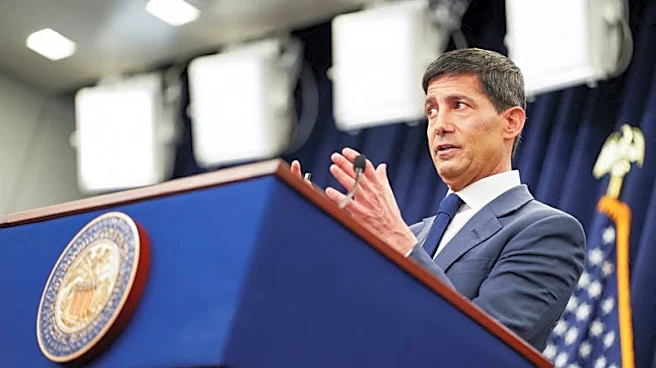
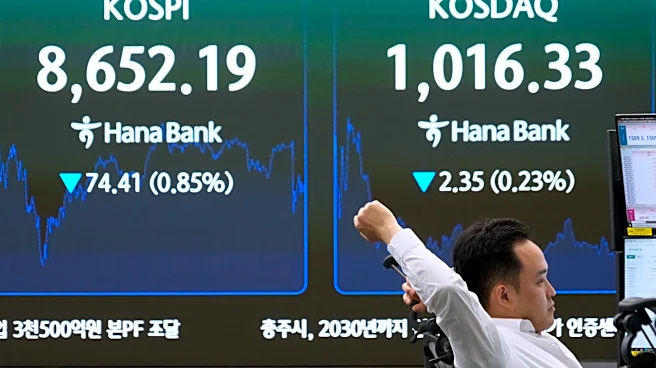
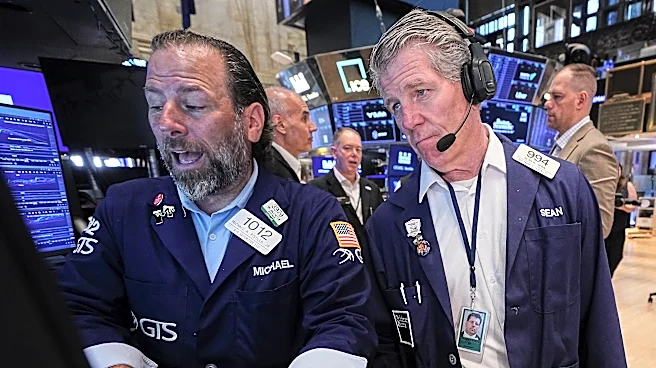
The Federal Reserve has indicated a potential interest rate hike to combat persistent inflation, causing fluctuations in the stock market. During a recent meeting, new Fed Chairman Kevin Warsh emphasized the commitment to reducing inflation to 2%. This
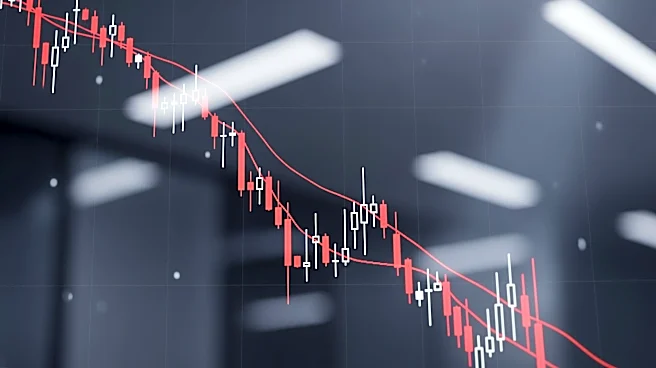
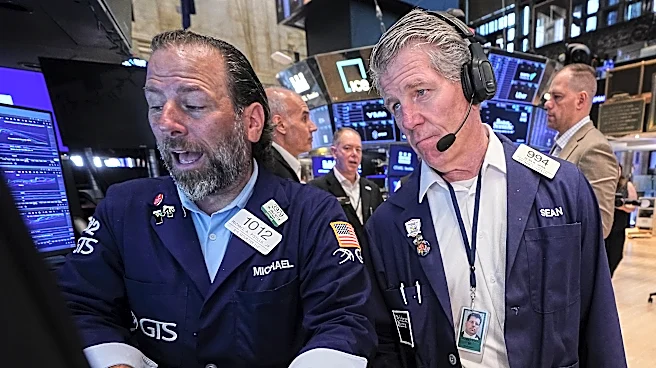
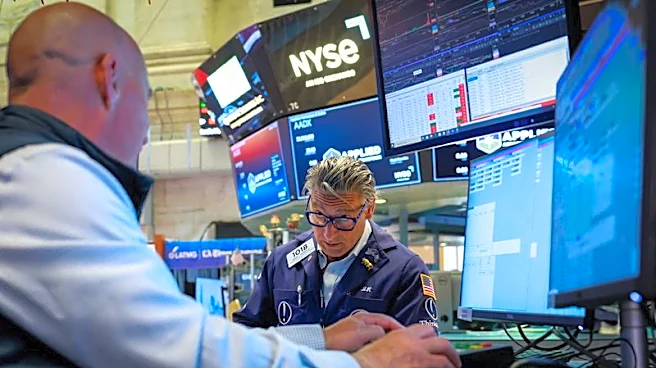
announcement led to a significant selloff in the S&P 500, marking the worst performance on a 'Fed day' under a new chair since 1994. Despite this, the market rebounded, with the S&P 500 and Nasdaq posting gains by the week's end. Additionally, a memorandum of understanding between the U.S. and Iran to extend their ceasefire contributed to market optimism, particularly benefiting chipmakers and reducing oil prices.
Why It's Important?
The Federal Reserve's stance on interest rates is a critical factor influencing economic stability and investor confidence. A potential rate hike could have widespread implications for borrowing costs, consumer spending, and business investments. The stock market's reaction underscores the sensitivity of financial markets to monetary policy changes. Furthermore, the U.S.-Iran agreement highlights geopolitical factors that can impact global markets, particularly in sectors like energy and technology. Investors and businesses must navigate these developments to mitigate risks and capitalize on opportunities.
What's Next?
The Federal Reserve's future actions will be closely watched as it balances inflation control with economic growth. Investors will monitor upcoming Fed meetings for further policy signals. The U.S.-Iran agreement's progress will also be pivotal, as successful negotiations could stabilize oil markets and enhance economic prospects. Companies, especially in the tech and energy sectors, will need to adapt to these evolving conditions to maintain competitiveness and profitability.