





What's Happening?
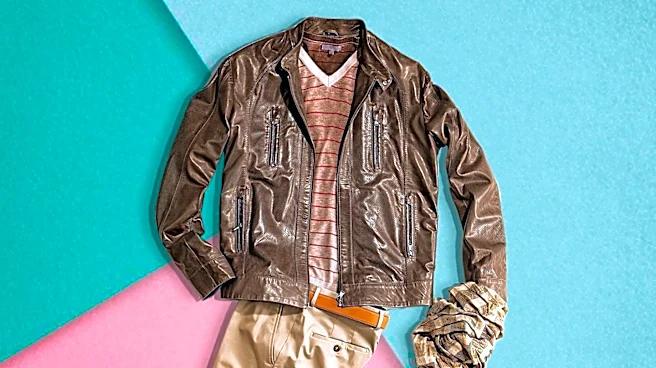
Lookbooks and line sheets serve distinct purposes within the fashion and retail sectors, particularly for brands aiming to engage customers and facilitate wholesale orders. Lookbooks are primarily visual tools, featuring styled, editorial images designed
to convey a brand's mood and inspire potential customers or buyers. They emphasize aesthetic appeal through full-page images and editorial layouts. In contrast, line sheets are practical sales documents focused on providing comprehensive ordering information to wholesale buyers. These documents detail pricing, available sizes, and other crucial logistical data necessary for closing wholesale transactions. While lookbooks aim to create an emotional connection and brand inspiration, line sheets are engineered for efficiency in the purchasing process, directly addressing the practical questions buyers have regarding product specifics and ordering mechanics. The distinction is critical for brands, as buyers typically make purchasing decisions based on the detailed information found in line sheets, not the inspirational content of lookbooks.
Why It's Important?
Understanding the difference between lookbooks and line sheets is crucial for U.S. fashion brands and retailers to optimize their sales and marketing strategies. Misusing these tools can lead to missed sales opportunities and inefficient communication with buyers. For instance, relying solely on a lookbook for wholesale orders can frustrate buyers who need concrete details like pricing and sizing to make purchasing decisions. Conversely, a brand that neglects a compelling lookbook might fail to capture the imagination of potential customers and media, hindering brand desirability and market presence. Effective utilization of both tools ensures that brands can inspire their audience while simultaneously providing the necessary practical information to secure sales. This dual approach supports both brand building and revenue generation, impacting the competitive landscape of the U.S. fashion industry where visual appeal and operational efficiency are paramount.
What's Next?
Fashion and retail businesses are expected to continue refining their use of both lookbooks and line sheets, potentially integrating digital advancements to enhance their effectiveness. The ongoing evolution of e-commerce and digital marketing platforms suggests that brands will increasingly leverage interactive digital lookbooks to engage consumers and media, offering richer, more immersive brand experiences. Simultaneously, digital line sheets will likely become more streamlined and automated, allowing wholesale buyers to place orders with greater ease and speed. The integration of these tools with inventory management and customer relationship management (CRM) systems could further optimize the sales cycle. Brands that successfully adapt to these digital trends, ensuring their lookbooks inspire and their line sheets facilitate transactions, will likely gain a competitive edge in the dynamic U.S. market.
Beyond the Headlines
The strategic differentiation between lookbooks and line sheets reflects a broader understanding of consumer psychology and business operations in the U.S. retail landscape. Lookbooks tap into the emotional and aspirational aspects of purchasing, fostering brand loyalty and desire, which are critical for long-term brand equity. Line sheets, on the other hand, address the rational and logistical needs of wholesale buyers, ensuring transactional efficiency. This dual approach highlights the necessity for businesses to cater to both the 'heart' and 'head' of their audience. The ethical implication lies in transparent communication; while lookbooks can present an idealized vision, line sheets must be factually accurate and comprehensive to build trust with business partners. The cultural dimension involves how fashion is consumed and perceived, with lookbooks contributing to the narrative and identity of a brand, influencing trends and consumer aspirations.