



What's Happening?
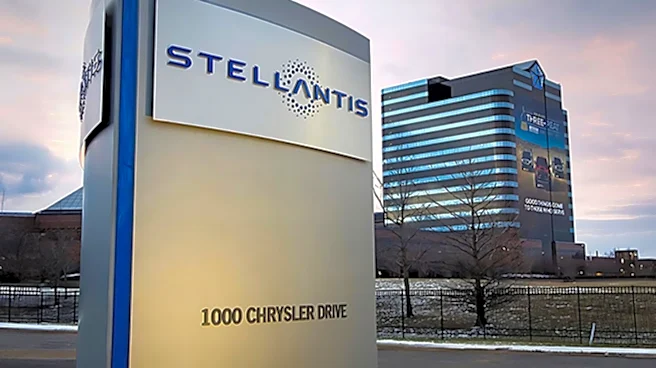
Chrysler has announced a recall of nearly 50,000 vehicles due to a seat belt defect that could increase the risk of injury during a crash. The recall affects specific models, including the 2023-2025 Dodge Hornet and the 2023-2026 Alfa Romeo Tonale, as reported
by the National Highway Traffic Safety Administration (NHTSA). The issue involves the rear outboard seat belts, which may become twisted and fail to retract properly, potentially compromising the restraint of occupants in the event of a collision. The NHTSA has identified that approximately 1.6% of the 48,777 vehicles covered by the recall may have this defect. Chrysler has advised vehicle owners to take their cars to a dealer for a free replacement of the seat belt retractors. Notification letters to affected vehicle owners are scheduled to be sent starting September 24.
Why It's Important?
This recall is significant as it highlights ongoing safety concerns within the automotive industry, particularly regarding seat belt functionality, which is crucial for passenger safety. The defect poses a direct risk to vehicle occupants, potentially leading to increased injuries in the event of an accident. For Chrysler, this recall could impact consumer trust and brand reputation, especially if the defect leads to any reported injuries. It also underscores the importance of regulatory oversight by agencies like the NHTSA in ensuring vehicle safety standards are met. The recall may prompt other manufacturers to review their safety protocols to prevent similar issues, thereby influencing industry-wide safety practices.
What's Next?
Chrysler will begin notifying affected vehicle owners by September 24, advising them to visit dealerships for the necessary repairs. The company will likely monitor the situation closely to ensure compliance and address any further issues that may arise. The NHTSA may continue to oversee the recall process to ensure that all affected vehicles are repaired promptly. Additionally, Chrysler may face increased scrutiny from both consumers and regulatory bodies, potentially leading to more stringent safety checks in future vehicle models.