

What's Happening?
Spot gold and silver prices experienced a significant rally in early U.S. trading on Friday, with gold climbing above $3,600 an ounce and silver posting substantial gains. This rebound follows gold's recent dip to its lowest level since September 2025.
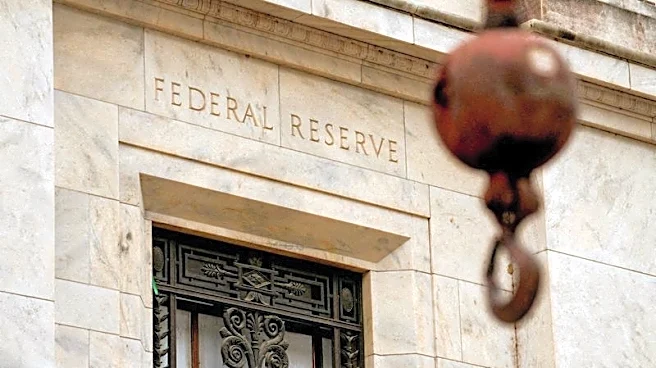
The surge is attributed to a softer U.S. dollar, renewed physical demand from China, and an improvement in global equity sentiment. Reduced trading activity due to the U.S. Thanksgiving holiday also contributed by easing liquidation pressure that had previously impacted bullion. Despite persistent expectations for further Federal Reserve tightening, these factors have temporarily offset the negative impact of anticipated higher interest rates. Economic data released earlier in the week, including stronger-than-expected GDP and persistent inflation figures, had reinforced expectations for restrictive monetary policy from the Federal Reserve.
Why It's Important?
The rally in gold and silver prices signals a potential shift in investor sentiment, moving away from the immediate concerns of Federal Reserve interest rate hikes towards other market drivers. A weaker U.S. dollar makes dollar-denominated assets like gold more attractive to international buyers, while increased physical demand from China indicates a fundamental interest in the precious metal. This could suggest that investors are seeking safe-haven assets amidst broader economic uncertainties, even as central banks signal continued tightening. The performance of gold and silver can also serve as an indicator of inflation expectations and the perceived stability of traditional financial markets. For U.S. investors, a stronger gold price can act as a hedge against inflation and currency devaluation, potentially influencing portfolio allocation strategies.
What's Next?
Investors will closely monitor upcoming economic releases, particularly the November employment report scheduled for December 4. Softer labor market figures or easing inflation expectations could lead to a reduction in Treasury yields, further supporting gains in gold. Conversely, persistent price pressures would reinforce the case for additional Federal Reserve tightening, potentially creating headwinds for precious metals. The market is currently heavily tilted towards another 25-basis-point interest rate increase by the Federal Reserve at its December 8-9 meeting, with futures assessments indicating approximately a 96% probability. The ongoing situation in the Strait of Hormuz and U.S.-Iran relations also remains a significant source of uncertainty for energy markets, which could indirectly influence gold as a safe-haven asset.
Beyond the Headlines
The recent surge in gold prices, despite strong signals for continued monetary tightening, highlights the complex interplay of global economic factors. It suggests that while interest rate expectations are a significant driver, they are not the sole determinant of precious metal valuations. The renewed physical demand from China points to underlying structural demand for gold, potentially as a store of value or a hedge against geopolitical and economic uncertainties in the region. Furthermore, the softening of the U.S. dollar could reflect broader global economic rebalancing or a shift in international capital flows. This dynamic suggests that investors are increasingly looking beyond immediate monetary policy decisions to broader macroeconomic trends and geopolitical risks when making investment choices in precious metals.