







What's Happening?
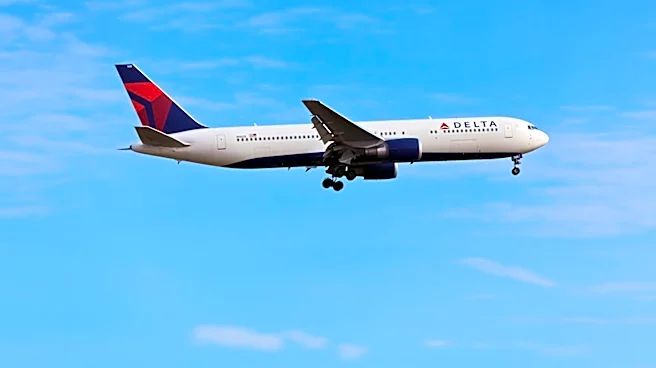
Delta CEO Ed Bastian has publicly acknowledged the shortcomings of AI-generated text, even setting aside an AI-written draft of his Emory commencement speech due to its lack of personal warmth and voice. This comes as Delta Air Lines faces scrutiny over
its increasing reliance on AI in customer service. A recent incident involved a Diamond Medallion member receiving an email from Delta customer relations that began with an undeleted AI instruction header: 'Here's a more polished and professional version with a warm, empathetic tone.' This exposed that even responses attributed to human agents might originate as AI drafts. Another issue involved a Platinum Medallion member whose partial flight cancellation request via the AI Concierge resulted in the full award ticket being refunded, despite assurances that the return flight was safe. Delta later confirmed a bug affecting partial trip cancellations was responsible. These events highlight a broader shift in Delta's customer contact strategy, which now directs customers to its AI Concierge after discontinuing text message support.
Why It's Important?
The incidents involving Delta's AI-assisted customer service are significant for several reasons. Firstly, they underscore the ongoing challenges and limitations of artificial intelligence in handling nuanced customer interactions, particularly in industries like air travel where complex bookings and empathetic communication are crucial. The accidental exposure of AI prompts in customer emails could erode customer trust, especially among high-tier members who expect personalized and genuinely human-crafted responses. For Delta, a brand that prides itself on service, these blunders could damage its reputation and lead to customer dissatisfaction. Furthermore, the shift towards AI Concierge and away from traditional text message support indicates a broader industry trend towards automation. While intended to improve efficiency, these early missteps suggest that the technology is not yet fully mature for all applications, potentially creating more frustration than convenience for passengers. The situation also raises questions about the balance between technological advancement and maintaining a human touch in customer relations, a critical factor for brand loyalty.
What's Next?
Delta Air Lines will likely need to address the public perception issues stemming from these AI blunders. This could involve a review of its AI implementation strategies in customer service, potentially leading to more rigorous human oversight of AI-generated communications before they are sent to customers. The airline may also need to provide clearer guidelines and training for its customer service representatives on how to effectively use and refine AI drafts, ensuring that such instruction headers are removed and responses maintain a genuinely empathetic tone. Furthermore, Delta might need to enhance the capabilities of its AI Concierge, particularly for complex tasks like partial trip cancellations, to prevent future errors and improve accuracy. The company could also consider re-evaluating its decision to fully discontinue text message support, perhaps offering a hybrid approach that combines AI efficiency with human intervention for more intricate customer needs. Competitors will likely monitor Delta's approach, potentially learning from its challenges as the airline industry continues to explore AI integration.
Beyond the Headlines
Beyond the immediate customer service issues, these incidents with Delta's AI highlight deeper implications regarding the integration of artificial intelligence into everyday business operations. The ethical dimension of AI in customer communication is brought to the forefront, questioning the authenticity of 'empathetic' responses generated by algorithms. There's a growing tension between the efficiency promised by AI and the human expectation for genuine connection and understanding, especially in service-oriented sectors. This situation could trigger broader discussions within the corporate world about transparency in AI usage and the necessity of maintaining a 'human in the loop' for critical or sensitive interactions. It also points to the evolving nature of labor in the age of AI, where human roles may shift from direct communication to overseeing and refining AI outputs. Ultimately, these events serve as a case study for how companies navigate the promises and pitfalls of AI, shaping consumer expectations and industry standards for technological adoption.