






What's Happening?
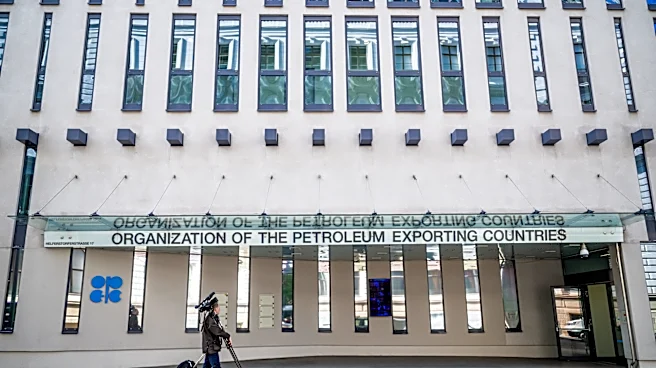
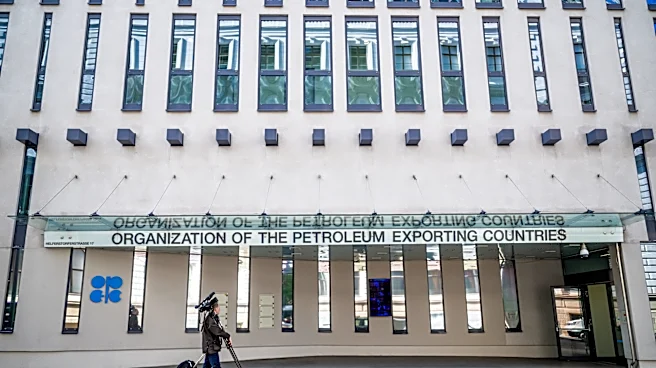
DeGolyer and MacNaughton (D&M), a Dallas-based petroleum consultancy, is finalizing an independent audit of Saudi Arabia’s maximum sustainable crude oil production capacity. The findings are expected to be presented at the 42nd OPEC and non-OPEC Ministerial
Meeting on November 29. This audit is crucial as it will determine Saudi Arabia’s 2027 production quota under a new capacity-based system approved by OPEC+ in November 2025. The audit comes amidst a significant divergence between Saudi Arabia’s self-reported output (10.563 million bpd in October 2026) and OPEC’s secondary-source estimates (9.194 million bpd), a gap of 1.369 million bpd. This discrepancy is attributed to a measurement gap between wellhead production and marketed supply, rather than a factual dispute over delivered oil volumes. The audit defines maximum sustainable capacity (MSC) as the average maximum crude output a country can bring online within 90 days and sustain for a full year, including planned maintenance.
Why It's Important?
This audit is pivotal for the future of global oil supply and pricing, directly impacting U.S. energy markets and consumers. The new capacity-based quota system aims to create a more transparent and equitable distribution of production targets among OPEC+ members, rewarding countries with verifiable spare capacity. If the D&M audit confirms a high sustainable capacity for Saudi Arabia, it could lead to a larger share of any quota increase for the kingdom, potentially stabilizing or increasing global oil supply. Conversely, if the audit reveals lower capacities for other nations, it could constrain overall OPEC+ output. For the U.S., a more predictable and transparent quota system could lead to greater stability in oil prices, reducing volatility that impacts gasoline prices and broader economic indicators. The audit also highlights the ongoing challenges in accurately assessing oil production capabilities, especially in a volatile geopolitical landscape.
What's Next?
The findings of the DeGolyer and MacNaughton audit will be presented at the 42nd OPEC and non-OPEC Ministerial Meeting on November 29. This meeting will be the primary forum for setting 2027 production quotas based on the independently verified capacities. The 69th Joint Ministerial Monitoring Committee (JMMC), also scheduled for November 29, will review compliance and recommend actions, though it cannot set quotas. The outcome of these meetings will determine the production levels for OPEC+ members in 2027, directly influencing global oil supply and prices. Additionally, approximately 2 million bpd of voluntary production cuts by several OPEC+ members are set to expire at the end of 2026, and a decision on their extension will be critical. The audit's results will also shape discussions around Iraq's requested 2027 output baseline and other members' production ambitions.
Beyond the Headlines
The shift to a capacity-based quota mechanism represents a significant evolution in OPEC+ policy, moving away from politically negotiated baselines towards a more data-driven approach. This change could reshape the power dynamics within the cartel, potentially empowering members with robust, verifiable production infrastructure. The audit also underscores the technical complexities and geopolitical sensitivities involved in managing global oil supplies. The exclusion of Iran from the D&M audit, with its baseline derived from actual output due to sanctions and conflict, highlights the practical limitations of such assessments in politically charged environments. For the U.S., this new framework could offer a more reliable basis for forecasting global oil supply, but it also means that the verified capacities of key producers will have a more direct and immediate impact on market conditions, emphasizing the need for accurate and transparent data in energy policy decisions.