




What's Happening?
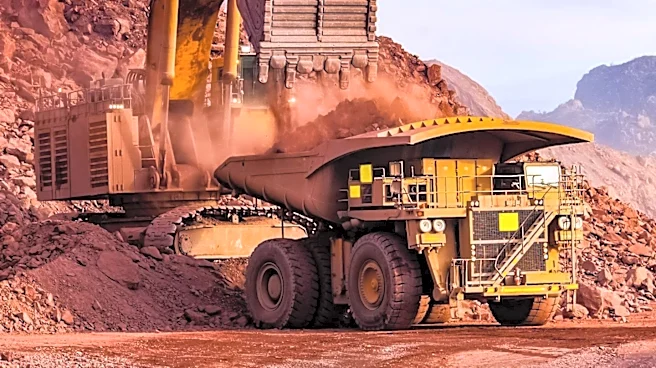
Brazil is emerging as a significant player in the global rare earths market, attracting at least 18 foreign companies, including three from the United States, with investments exceeding US$3.5 billion (BRL 17.5 billion) either spent or planned. This surge
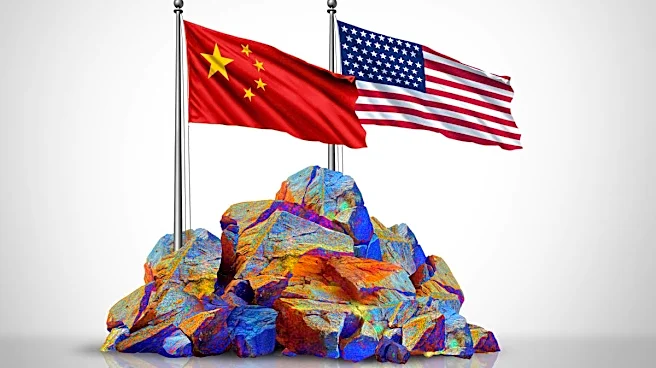
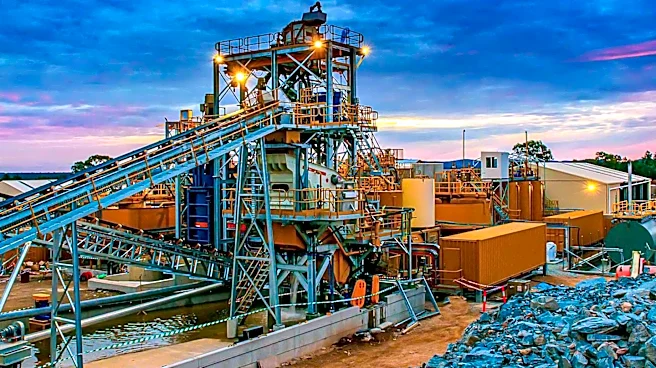
in interest is driven by Western buyers seeking to diversify their rare earths supply chains away from China, which currently dominates the market. Australia leads with at least 11 firms, followed by Canada and the U.S. with three each. Nasdaq-listed USA Rare Earth has already established a presence, owning Brazil's first producing rare earths mine, Serra Verde, in Minaçu, Goiás, which began production in January 2024. Brazil's government, under President Luiz Inácio Lula da Silva, has introduced a National Policy on Critical and Strategic Minerals, aiming to encourage domestic processing and metal-making, not just mining, through a guarantee fund and tax credits.
Why It's Important?
This development is critically important for U.S. industries and national security. Rare earths are essential components in electric vehicles, wind turbines, and defense systems. The U.S. and its allies are actively seeking to reduce their reliance on China for these critical materials, making Brazil a strategic alternative. The involvement of U.S. companies like USA Rare Earth and Aclara provides direct access to Brazilian rare earth resources, bolstering the U.S. supply chain resilience. However, Brazil's policy to promote domestic processing introduces a 'policy risk' for foreign investors, as it could influence the location of future separation plants and potentially increase operational costs. This shift could lead to new partnerships and investments in Brazil's processing capabilities, creating both opportunities and challenges for U.S. firms aiming to secure a stable and diversified supply of rare earths.
What's Next?
The Brazilian government is expected to issue regulations for its new critical minerals law, which will clarify the framework for foreign investment and domestic processing requirements. This will be a key factor for companies like Brazilian Rare Earths, which anticipates its chemical treatment and separation stage in 2027. Foreign investors will closely monitor these regulations to assess the viability and profitability of their projects, particularly regarding the export of rare earth concentrates versus processed metals. The ongoing development of projects across various Brazilian states, from early drilling to pilot plants, will continue. The success of these ventures will depend on securing necessary licenses, financing, and ensuring economic viability. The push for domestic processing could also spur technological transfer and infrastructure development within Brazil, further integrating it into the global rare earths value chain.
Beyond the Headlines
The scramble for rare earths in Brazil highlights a broader geopolitical strategy to de-risk critical supply chains and reduce dependency on single-country dominance. This move is not just about economics; it's about national security and technological sovereignty for the U.S. and its allies. The Brazilian government's emphasis on domestic processing reflects a growing trend among resource-rich nations to capture more value from their raw materials, moving beyond mere extraction. This could lead to a more distributed and resilient global supply chain for rare earths, but also introduces complexities in international trade and investment. The environmental and social impacts of increased mining and processing activities in Brazil will also be a critical 'Beyond the Headlines' consideration, as sustainable practices and community engagement become increasingly important for investor and public acceptance. The long-term implications could reshape global industrial landscapes and geopolitical alliances.