



What's Happening?
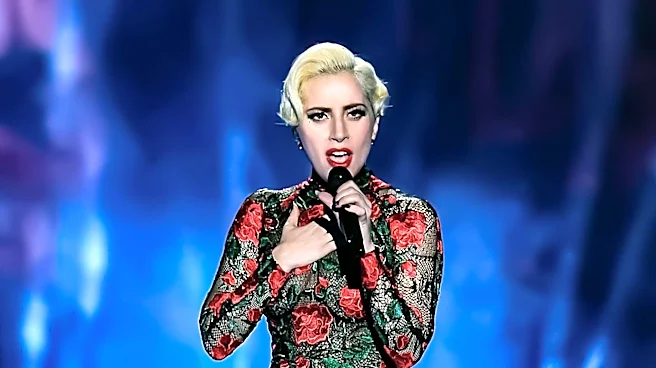
R&B icon Stephanie Mills has publicly accused Lady Gaga of being a 'culture vulture' and stated that Gaga owes her an apology. During an appearance on 'The Jason Lee Show,' Mills recounted an incident from several years ago where she was asked by her former
manager to surprise Lady Gaga by singing her hit song 'Home' at a fashion shoot in New York. Mills initially declined but was persuaded to go. She described Gaga's reaction as dismissive, stating that Gaga 'looked at me like I had two heads' and did not smile or show appreciation. Following the performance, Mills claimed that Gaga's team prevented her from leaving until all photos taken during the encounter were deleted, which Mills found 'very disrespectful.'
Why It's Important?
This accusation from a respected R&B artist like Stephanie Mills against a global pop superstar like Lady Gaga highlights significant issues within the entertainment industry concerning cultural appropriation and artist respect. Mills's use of the term 'culture vulture' suggests a deeper critique of how certain artists may benefit from or appropriate elements of other cultures without proper acknowledgment or respect for their origins. The incident also raises questions about professional conduct and the treatment of artists, regardless of their stature. For Lady Gaga, these allegations could impact her public image and reputation, particularly among communities that feel their cultural contributions are often undervalued or exploited. For Mills, speaking out brings attention to an experience she found demeaning, potentially empowering other artists who have faced similar situations.
What's Next?
It remains to be seen how Lady Gaga or her representatives will respond to Stephanie Mills's public statements. A direct apology or a statement addressing the incident could be issued, or Gaga's team might choose to remain silent. The controversy could spark further discussions within the music industry and among the public about cultural appropriation, artist ethics, and the power dynamics at play in celebrity interactions. This event may also encourage other artists to share their experiences, potentially leading to a broader conversation about respect and recognition in the entertainment world. The incident could also influence how artists and their teams manage interactions and public appearances in the future.
Beyond the Headlines
The term 'culture vulture' carries significant weight, often implying a systemic issue where dominant cultural figures profit from or appropriate elements of marginalized cultures without understanding or respecting their context. Mills's accusation, particularly given her reference to Gaga's former Black manager, Troy Carter, adds a layer of complexity to the discussion, suggesting that even within diverse professional circles, issues of cultural respect can arise. This incident transcends a simple personal disagreement; it touches upon broader themes of authenticity, ownership, and the ethical responsibilities of artists in a globalized cultural landscape. It prompts a re-evaluation of how cultural exchange is perceived versus cultural exploitation, and the lasting impact such interactions can have on artists and their legacies.