





What's Happening?
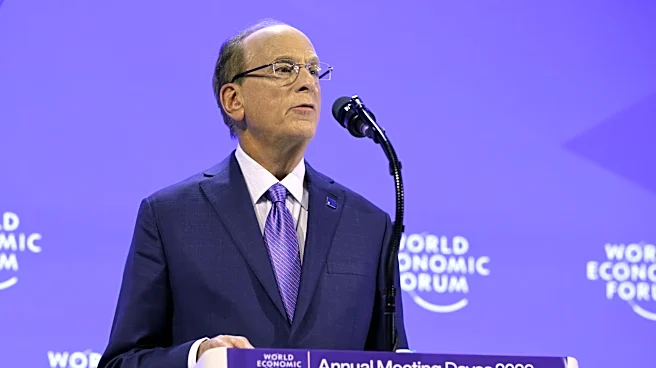
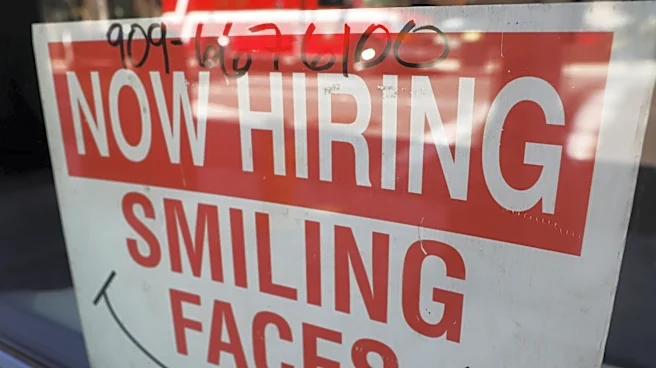
The World Economic Forum (WEF) is highlighting the need for comprehensive support to tackle youth unemployment, moving beyond traditional training schemes. According to the WEF, simply funding training is insufficient to ensure long-term employment for young
people. An employment project in Tunisia, cited by Anis SAIDI, Tunisia lead for the EOF, demonstrates a multi-faceted approach. This approach includes funding sourcing as a service, supporting individuals during their initial weeks of employment, and mending broken pathways to work. The WEF emphasizes that human capabilities, such as workplace behavior and navigating difficult experiences, are as crucial as technical skills. These 'soft skills' have often been undervalued in education and training programs. The organization notes that the initial weeks in a new job are critical for a young person to gain footing or risk quietly dropping out, underscoring the importance of sustained support beyond just skill acquisition.
Why It's Important?
This shift in focus by the World Economic Forum has significant implications for U.S. industries and public policy. By advocating for a more holistic approach to youth employment, the WEF challenges the prevailing emphasis on technical skill development alone. For U.S. businesses, this suggests a need to invest not only in training but also in mentorship, onboarding support, and fostering a workplace culture that helps young employees integrate and thrive. Public policy makers in the U.S. might consider re-evaluating existing youth employment programs to incorporate funding for initial employment support and initiatives that develop human capabilities alongside technical skills. This could lead to more stable employment for young Americans, reducing turnover rates for companies and potentially boosting economic productivity. Without such comprehensive support, young individuals, particularly those entering the workforce, may struggle to maintain long-term employment, leading to continued cycles of unemployment and underemployment.
What's Next?
The WEF's recommendations could prompt governments and employers in the U.S. to explore new models for youth employment initiatives. This might involve pilot programs that integrate funding for initial employment periods and structured mentorship. Businesses could begin to prioritize the development of 'human capabilities' in their hiring and training processes, potentially leading to changes in HR practices and corporate social responsibility programs. Discussions at future WEF events may further refine these strategies, influencing global best practices that U.S. stakeholders could adopt. Additionally, there could be increased advocacy for policy changes that incentivize companies to provide more extensive support for young hires, potentially through tax breaks or grants. The long-term goal is to create more resilient and sustainable career pathways for young people, ensuring they not only acquire skills but also successfully navigate the complexities of the modern workplace.
Beyond the Headlines
The WEF's emphasis on 'human capabilities' beyond technical skills touches upon a deeper societal challenge: the evolving nature of work and the skills required for success. This perspective highlights the ethical responsibility of employers and educational institutions to prepare young people not just for tasks, but for careers that demand adaptability, emotional intelligence, and resilience. The concept of 'mending broken pathways to work' suggests a systemic issue where traditional educational and employment structures may not adequately serve the needs of young individuals. This could lead to a re-evaluation of educational curricula to include more emphasis on soft skills and workplace readiness. Culturally, it could foster a greater appreciation for mentorship and support systems within professional environments, moving away from a purely meritocratic view of career progression. Ultimately, this approach aims to create a more inclusive and supportive economic landscape for the next generation of workers.