







What's Happening?
A physical therapist from Hinge Health, Courtney Fitzpatrick, has identified key movements that tend to decline first with age and recommends a simple five-move routine to help adults preserve their mobility. Fitzpatrick notes that movements requiring
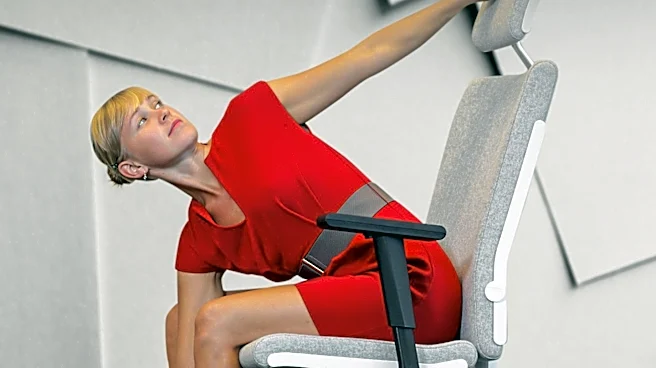
balance, power, quick reactions, strength, coordination, and overall mobility are often the first to become challenging. Specifically, she highlights floor transfers, movements reliant on leg strength (like squatting), eccentric control, thoracic and cervical rotation, hip mobility, and general balance as areas most susceptible to age-related decline. The recommended routine aims to counteract this natural process, allowing individuals to maintain functional independence. The exercises include a seated thoracic twist, sit-to-stand, standing hip flexor stretch, supported standing child’s pose, and shoulder squeezes, each targeting specific areas of mobility and strength.
Why It's Important?
The preservation of mobility is critical for maintaining an independent and high-quality life as individuals age. The loss of key movements can significantly impact daily activities, leading to reduced physical activity, increased risk of falls, and a greater reliance on assistance. By proactively addressing these areas, the recommended routine can help adults retain their ability to perform everyday tasks, such as getting out of a chair, climbing stairs, and looking over their shoulder. This not only enhances physical well-being but also contributes to mental and emotional health by fostering a sense of self-sufficiency and confidence. The focus on specific movements that commonly decline first provides a targeted approach to aging, allowing individuals to concentrate their efforts on areas that will yield the most significant benefits for long-term mobility.
What's Next?
Adults are encouraged to incorporate this five-move routine into their regular fitness regimen a couple of times a week. Each exercise is designed to be accessible and can be performed with minimal equipment, making it easy to integrate into a home workout. The routine emphasizes consistency and proper form to maximize benefits and minimize injury risk. As individuals progress, they may seek guidance from physical therapists to adjust the intensity or introduce variations to further challenge their mobility. The long-term impact of such preventative routines could lead to a reduction in age-related mobility issues, potentially decreasing healthcare costs associated with falls and chronic conditions. This proactive approach to physical health is likely to gain more traction as awareness of healthy aging strategies grows.
Beyond the Headlines
This recommended routine underscores a broader understanding of aging not as an inevitable decline, but as a process that can be actively managed and influenced through lifestyle choices. The emphasis on maintaining specific movements highlights the functional aspects of fitness, moving beyond aesthetic goals to focus on practical abilities that enhance daily living. It also subtly challenges societal perceptions of aging, suggesting that significant mobility can be retained well into older age with consistent effort. The routine's focus on core strength, flexibility, and balance reflects a holistic view of physical health, recognizing that these components are interconnected and essential for overall well-being. This approach could inspire more personalized fitness plans that prioritize functional movements, empowering individuals to take greater control over their physical health journey as they age.