




What's Happening?
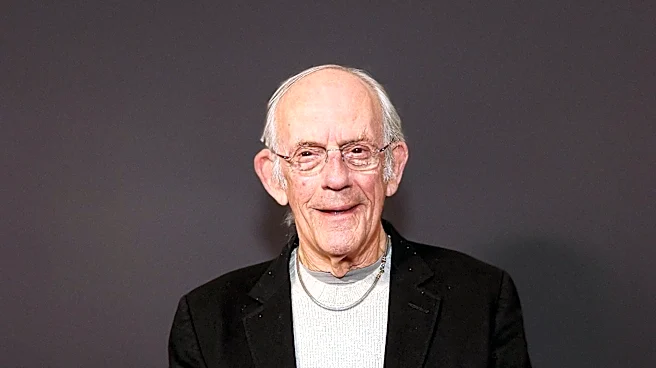
Christopher Lloyd, widely recognized for his role as Doc Brown in the 'Back to the Future' trilogy, also played a villain in the 2015 sci-fi time-travel movie '88'. This film, which never received a theatrical release in the United States, went straight
to home video as a DVD release, leading to its quick obscurity. The plot of '88' centers on a woman with apparent amnesia who is involved in a murder plot. Lloyd's character, Cyrus, is the man she is supposed to kill at the beginning of the movie. The film utilizes a dual timeline structure, flashing back to different points in the protagonist Gwen's (Katharine Isabelle) life, with the history between Gwen and Cyrus becoming central in the third act. Despite an interesting premise and a cast that included Katharine Isabelle and pop singer Jesse McCartney, the movie failed to gain traction, largely due to its limited release and negative audience reception, earning a 27% on Rotten Tomatoes and a 2.7 rating on Letterboxd.
Why It's Important?
The case of '88' highlights the challenges faced by independent films, even those featuring well-known actors like Christopher Lloyd. Its direct-to-DVD release in the U.S. and subsequent obscurity demonstrate how distribution channels significantly impact a film's visibility and commercial success. For actors, participating in such projects can be a double-edged sword; while it offers diverse roles, it may not contribute to their mainstream recognition or critical acclaim. The film's poor reception, despite individual performances being praised, underscores the importance of strong narrative and editing in audience engagement. This scenario reflects broader trends in the entertainment industry where a multitude of content is produced, but only a fraction achieves widespread recognition, often leaving many projects, even those with notable talent, in relative obscurity.
What's Next?
While '88' has already been released and largely forgotten, its existence serves as a case study for filmmakers and distributors regarding the impact of release strategies and critical reception. For Christopher Lloyd, this film is a minor entry in a long and distinguished career, unlikely to alter his public perception or future roles. The film's continued presence on streaming platforms or in DVD collections might occasionally be discovered by niche audiences or fans of the actors involved, but a resurgence in popularity or critical re-evaluation is improbable given its initial reception. The lessons learned from '88' could inform future decisions for independent film productions, particularly concerning marketing, distribution, and the critical assessment of narrative structure and editing before release.
Beyond the Headlines
The story of '88' delves into the broader implications of the direct-to-video market and its role in the film industry. In an era dominated by streaming services and blockbuster theatrical releases, many films, particularly those with experimental narratives or lower budgets, find their primary audience through home video or on-demand platforms. This can lead to a paradox where creative projects with talented individuals might bypass critical discourse and public awareness entirely. The film's use of time travel, a theme often associated with Lloyd, but in a darker, villainous context, also offers an interesting counterpoint to his iconic 'Doc Brown' persona, showcasing an actor's versatility beyond their most famous roles. This highlights the artistic risks actors sometimes take, even if the commercial outcome is not favorable, contributing to a diverse body of work that might only be appreciated by a select few.