


What's Happening?
Luxury Lodges of Australia members are undertaking five significant initiatives across Queensland, Tasmania, Western Australia, and the Northern Territory. These projects include a major rebuild, two extensive refurbishments, the introduction of a new
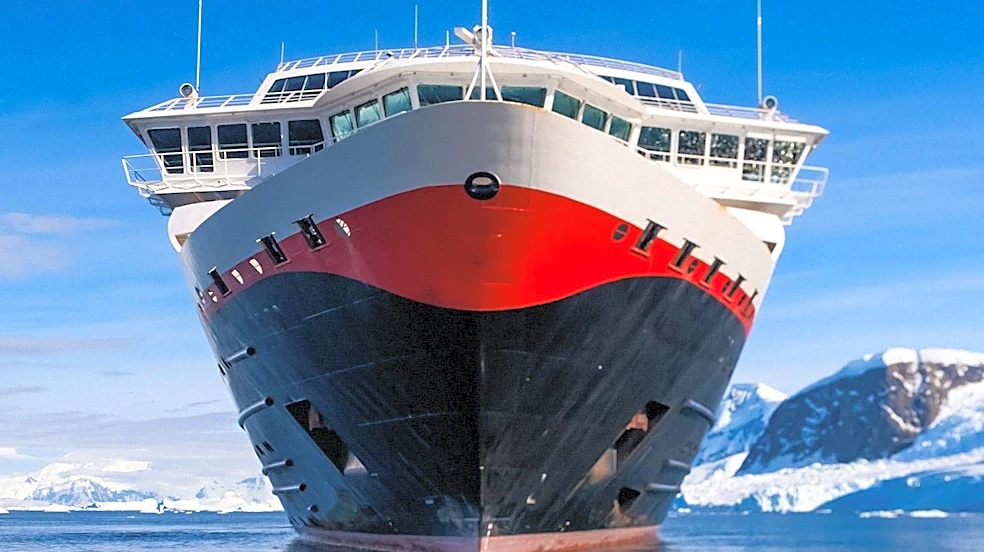
private villa, and new expeditions. The program commenced with the reopening of Orpheus Island Lodge in July and is scheduled to continue over the next eight months, culminating in May 2027 with the reopening of Bullo River Station and the 40th anniversary of True North Adventure Cruises. Specific developments include a six-month refurbishment of Orpheus Island Lodge's North Beachfront rooms, suites, and villas completed in July 2026 by Dubois. Saffire Freycinet in Tasmania will open the Saffire Jewel private villa in December 2026. Sal Salis Ningaloo Reef in Western Australia is set to reopen in late March 2027 after a $5 million refurbishment by Woods Bagot. Bullo River Station in the Northern Territory will reopen in May 2027 following a major redevelopment led by Sibella Court. True North Adventure Cruises will introduce two new expeditions, 'North of Ningaloo' and a 10-night 'Great Barrier Reef Explorer' voyage, and invest in new cabin configurations.
Why It's Important?
While this news directly concerns Australian tourism, it holds importance for the U.S. travel industry and American travelers. The significant investments in luxury accommodations and unique expedition offerings in Australia could attract a greater number of high-end U.S. tourists seeking exclusive and immersive travel experiences. As U.S. travelers increasingly look for unique and sustainable tourism options, these developments position Australia as a prime destination. The focus on luxury and experiential travel aligns with growing trends among affluent American consumers. Furthermore, the recognition of seven Luxury Lodges of Australia members in the Condé Nast Readers’ Choice Awards 2026 indicates a global standard of excellence that could influence travel decisions for U.S. citizens planning international trips. The enhanced offerings could also inspire U.S. luxury travel providers to innovate and compete with similar high-quality experiences, potentially elevating standards within the domestic U.S. luxury travel market.
What's Next?
The ongoing refurbishments and new expedition launches are set to continue through May 2027. Travelers interested in luxury Australian experiences can anticipate the opening of Saffire Jewel private villa in December 2026, the reopening of Sal Salis Ningaloo Reef in late March 2027, and the reopening of Bullo River Station and the 40th-anniversary celebrations for True North Adventure Cruises in May 2027. These developments will likely be accompanied by increased marketing efforts targeting international markets, including the U.S., to attract visitors to these newly enhanced properties and expeditions. The success of these initiatives could lead to further investments in luxury tourism infrastructure across Australia, potentially creating a more competitive landscape for global luxury travel destinations. U.S. travel agencies and tour operators specializing in high-end international travel will likely integrate these new offerings into their itineraries.
Beyond the Headlines
The substantial investment in luxury lodges and expeditions in Australia reflects a broader global trend in the tourism industry towards high-value, experiential travel. This shift is driven by travelers seeking more than just a destination; they desire unique, authentic, and often exclusive experiences that connect them with local culture and nature. For the U.S. market, this trend suggests a continued demand for bespoke travel options, potentially influencing how U.S. domestic tourism develops, with a greater emphasis on unique, high-quality, and environmentally conscious offerings. The focus on sustainability and local integration, as hinted by the nature-led design at Bullo River Station and the eco-luxury tents at Sal Salis Ningaloo Reef, also aligns with increasing ethical considerations among U.S. travelers. This could encourage U.S. hospitality providers to adopt similar practices, fostering a more responsible and high-quality tourism sector.