




What's Happening?
Clothing brands are increasingly offering in-store repairs and sewing workshops to appeal to Generation Z consumers who prioritize sustainability and cost savings. Companies like Levi Strauss & Co., Uniqlo, and Primark are implementing these services
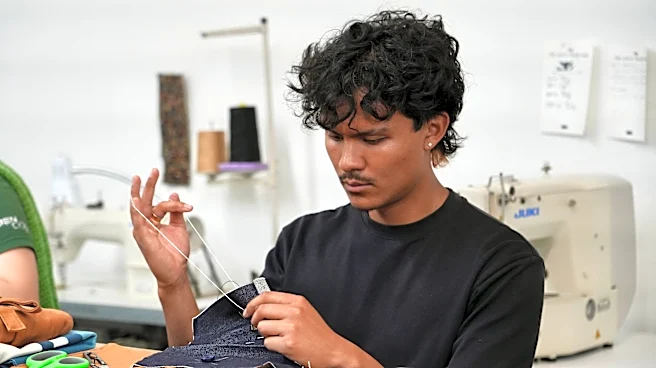
to attract young shoppers interested in extending the life of their garments. Levi's, for instance, has introduced a handstitching course for high school students, teaching them basic sewing skills to maintain their clothing. This initiative is part of Levi's Wear Longer program, which aims to empower consumers to repair and customize their clothes, thereby reducing environmental impact. The fashion industry faces pressure to address its role in environmental pollution, with research indicating that repairing and reselling clothes can significantly reduce a garment's environmental footprint.
Why It's Important?
The shift towards in-store repairs reflects a broader trend in the fashion industry to address sustainability concerns. As Generation Z becomes a more influential consumer group, their preferences for sustainable and cost-effective shopping are reshaping retail strategies. This demographic's inclination towards thrift shopping and environmental consciousness is driving the growth of the pre-owned clothing market, outpacing traditional retail apparel sales. By offering repair services, brands not only cater to these values but also potentially reduce the environmental impact of clothing production, which has doubled since 2000. However, the challenge remains in making these services economically viable, as manufacturing new garments often costs less than repairing existing ones.
What's Next?
The fashion industry will need to continue innovating to make repair services more accessible and cost-effective. Companies may explore partnerships with educational institutions to further integrate sewing skills into curriculums, fostering a culture of repair among younger generations. Additionally, brands might expand their repair services to more locations and explore new business models that incorporate resale and recycling. As consumer demand for sustainable practices grows, the industry could see increased regulatory pressure to adopt environmentally friendly practices, potentially leading to new standards and certifications for sustainable fashion.