




What's Happening?
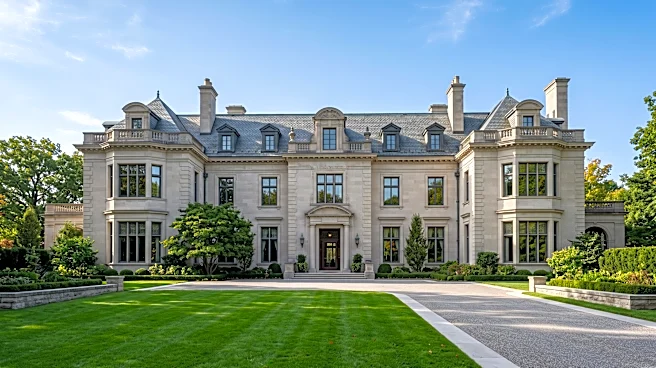
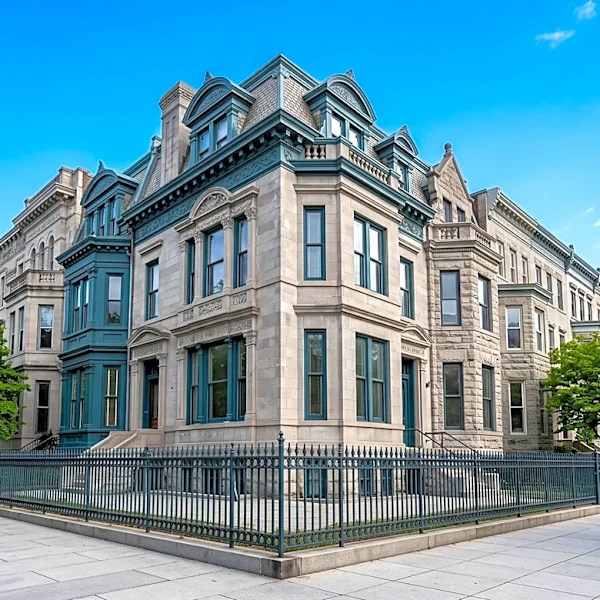
The Italian-American Cultural Center of Iowa has officially opened its new permanent home in the historic Butler Mansion in Des Moines. This move marks a significant milestone for the organization, which has pursued the goal of establishing a large, permanent facility
for over 25 years. The Butler Mansion, originally opened in 1937, was once considered one of America's most modern homes, featuring advanced amenities for its time such as automatic garage door openers activated by headlights, central air and heat, and an intercom system throughout. The newly acquired property offers 42,000 square feet across seven floors, providing ample space for the Center's diverse initiatives. Jeff Lamberti, chair of the Center’s board, highlighted that approximately half of the space will be dedicated to narrating the story of Italian immigration to Iowa, detailing their contributions in industries like coal mining and railroads, and their eventual rise as civic and business leaders. The remaining space is designed to host traveling exhibits, meeting Smithsonian standards for climate, humidity, and light control to attract national and international displays.
Why It's Important?
The establishment of the Italian-American Cultural Center in the Butler Mansion is important for several reasons. It provides a dedicated venue to preserve and promote the rich history and cultural heritage of Italian Americans in Iowa, ensuring that their contributions to the state's development are recognized and remembered. This center will serve as an educational hub, offering language and dance classes, summer camps for children, and events commemorating significant dates in Italian history. By meeting Smithsonian standards, the center aims to attract high-quality traveling exhibits, which will enrich the cultural landscape of Des Moines and Iowa, drawing visitors and fostering a deeper understanding of diverse cultures. Furthermore, the mansion itself, a piece of architectural history, is being repurposed and preserved, contributing to the historical conservation efforts in the region. The center also plans to feature a unique store offering Italian goods not readily available in Iowa and a cooking classroom, which will not only celebrate Italian cuisine but also be open to other nationalities, promoting broader cultural exchange.
What's Next?
Looking ahead, the Italian-American Cultural Center of Iowa plans to fully utilize its new expansive space to become a vibrant cultural hub. The immediate next steps involve developing and curating the exhibits that tell the story of Italian Iowans, from their immigration to their impact on the state. The center will also focus on establishing partnerships with other museums to bring in traveling exhibits, leveraging its Smithsonian-standard facilities. Educational programming, including language and dance classes, summer camps, and historical events, will be a continuous offering. Additionally, the center intends to launch its unique retail store featuring Italian goods and open its cooking classroom to the public, potentially expanding to include other cuisines. The property also includes event spaces for weddings and other gatherings, along with suites that will function as an AirBNB, generating revenue to support the center's operations. The organization will continue to engage with the community to expand its membership and volunteer base, ensuring the long-term sustainability and success of this significant cultural institution.
Beyond the Headlines
Beyond the immediate cultural and educational benefits, the opening of the Italian-American Cultural Center in the Butler Mansion signifies a broader trend of repurposing historic properties for community enrichment. This project demonstrates how architectural landmarks can be given new life, serving contemporary needs while preserving their historical integrity. The center's commitment to telling the story of Italian immigrants also highlights the ongoing importance of ethnic cultural centers in the U.S., which play a crucial role in fostering identity, community, and intergroup understanding in an increasingly diverse society. By creating a space that not only celebrates Italian heritage but also invites broader cultural exchange through its cooking classes and event spaces, the center contributes to a more inclusive cultural dialogue. This initiative could serve as a model for other communities looking to preserve their heritage and historical buildings while creating dynamic, engaging spaces for public education and cultural celebration.