






What's Happening?
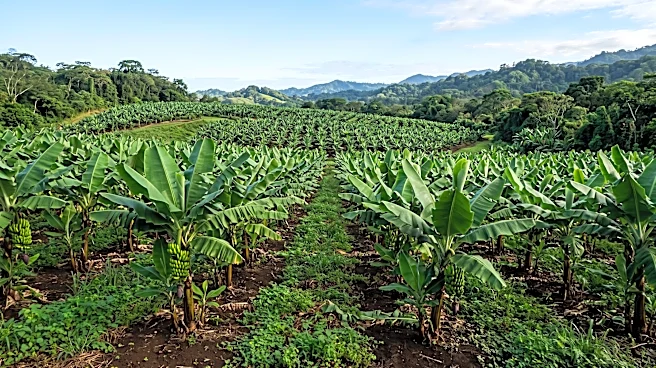
Fyffes, a prominent tropical fruit company, has introduced its Regenerative Agriculture Framework. This initiative outlines a strategy to implement regenerative agriculture practices across 13,000 hectares of its banana and pineapple farms by 2030. The
company also aims to extend these proven approaches throughout its broader supply chain by 2035. The framework is rooted in a science-based, grower-centered methodology, focusing on critical areas such as improving soil health, boosting biodiversity, optimizing water management, reducing reliance on agrochemicals, and mitigating the impacts of climate change. Fyffes plans to track its progress through a robust Measurement, Reporting, and Verification (MRV) system, ensuring transparent and measurable outcomes across five key impact areas. This move is designed to create more resilient production systems, enhance supply chain security, and increase transparency for retailers, wholesalers, and foodservice customers, helping them meet growing consumer and regulatory demands for responsible sourcing.
Why It's Important?
This initiative is crucial for the U.S. market as it directly impacts the long-term availability and sustainability of tropical fruits like bananas and pineapples, which are widely consumed across the nation. The U.S. relies heavily on imported tropical fruits, making the resilience of these supply chains vital for consumers and businesses. Climate change, extreme weather events, and water stress pose significant threats to tropical fruit production, potentially leading to price volatility and supply disruptions. By adopting regenerative practices, Fyffes aims to stabilize production, ensuring a consistent supply of high-quality fruit. This also addresses the increasing consumer and regulatory demand in the U.S. for sustainably sourced products, potentially influencing purchasing decisions and market trends. For U.S. retailers and foodservice providers, a more resilient supply chain translates to greater reliability and reduced risk, while also aligning with corporate social responsibility goals.
What's Next?
Fyffes has already begun implementing regenerative agriculture initiatives within its owned operations, building upon existing programs focused on soil health, biodiversity, and water stewardship. The new framework will provide a structured pathway to scale these efforts, validate their outcomes, and disseminate proven practices across its entire supply chain. The company also plans to collaborate with customers on joint regenerative agriculture projects and leverage Fairtrade certification premiums to invest in these initiatives in various countries. Over the coming years, Fyffes will work towards achieving 100% integration of the framework across its owned banana and pineapple farms by 2030 and aims to bring approximately 40% of fruit volume from key supplier operations under regenerative agriculture practices by 2035. This phased implementation will involve targeted capacity-building and knowledge sharing to ensure widespread adoption and long-term success.
Beyond the Headlines
The launch of Fyffes' Regenerative Agriculture Framework signifies a broader shift within the global food industry towards more sustainable and resilient agricultural practices. This move highlights the increasing pressure on large agricultural companies to address environmental challenges and meet evolving consumer expectations. Beyond the immediate benefits of stable supply and improved environmental performance, this initiative could set a precedent for other major players in the tropical fruit sector, potentially leading to widespread adoption of regenerative agriculture. This could contribute to a more sustainable global food system, mitigating the long-term impacts of climate change on agriculture and enhancing food security. The emphasis on transparent measurement and verification also points to a future where environmental claims are rigorously substantiated, fostering greater trust between producers, retailers, and consumers.