








What's Happening?
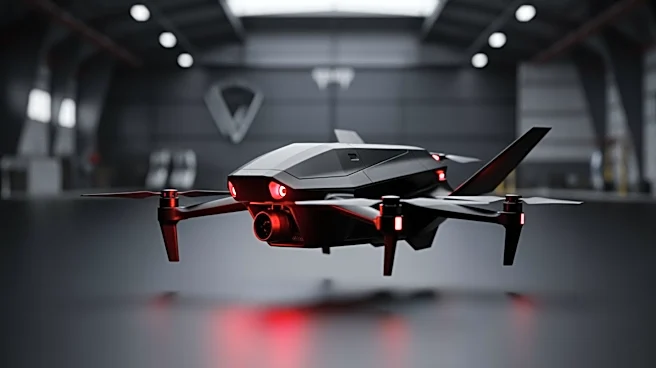
Red Cat Holdings, Inc., a U.S.-based provider of advanced drone and robotic solutions, has introduced Hellcat, a new small unmanned aircraft system (sUAS) built on the Black Widow platform. The announcement was made at Eurosatory 2026, a defense and security
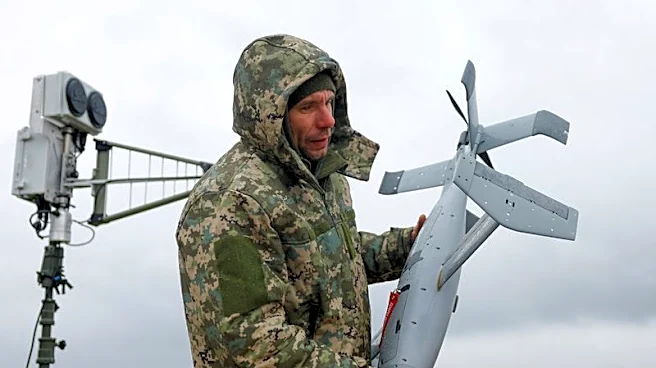
international exhibition. Hellcat is designed to adapt to rapidly changing operational environments and incorporates feedback from field operations, including insights from Ukrainian drone experts. The system is built around Modular Open Systems Architecture (MOSA) principles, allowing for customizable configurations to meet diverse operational needs. Hellcat offers features such as GPS-denied operation, a low-visibility tactical finish, and a field-repairable design, with a flight time exceeding 50 minutes and a range of up to 6.8 miles.
Why It's Important?
The introduction of Hellcat signifies a significant advancement in the field of defense and national security, particularly in the realm of small unmanned aircraft systems. By incorporating feedback from active warfighters and adapting to the needs of coalition partners, Red Cat is enhancing the operational effectiveness and situational awareness of military and government operations. This development is crucial as it supports the U.S. Army's Short Range Reconnaissance program and aligns with the growing demand for adaptable and interoperable defense technologies. The Hellcat's ability to operate in GPS-denied environments and its modular design make it a versatile tool for various mission profiles, potentially giving the U.S. and its allies a strategic advantage in contested environments.
What's Next?
Red Cat's Hellcat is expected to undergo further evaluations and potential deployments as defense leaders and government buyers assess its capabilities. The system's adaptability to different command-and-control preferences and payload needs positions it well for integration into various military frameworks. As Red Cat continues to refine its technology based on field feedback, the Hellcat could see expanded use in international defense collaborations. The ongoing partnership with Ukrainian experts suggests that further enhancements and updates to the platform may be anticipated, ensuring that it remains relevant to evolving battlefield requirements.