





What's Happening?
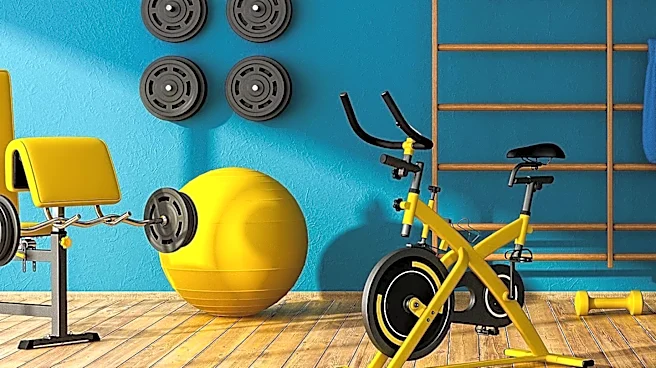
Interval workouts, a training method characterized by alternating periods of high-intensity effort with recovery periods, are widely applicable across various gym exercises such as cycling, rowing, and treadmill use. This training approach is highly adaptable
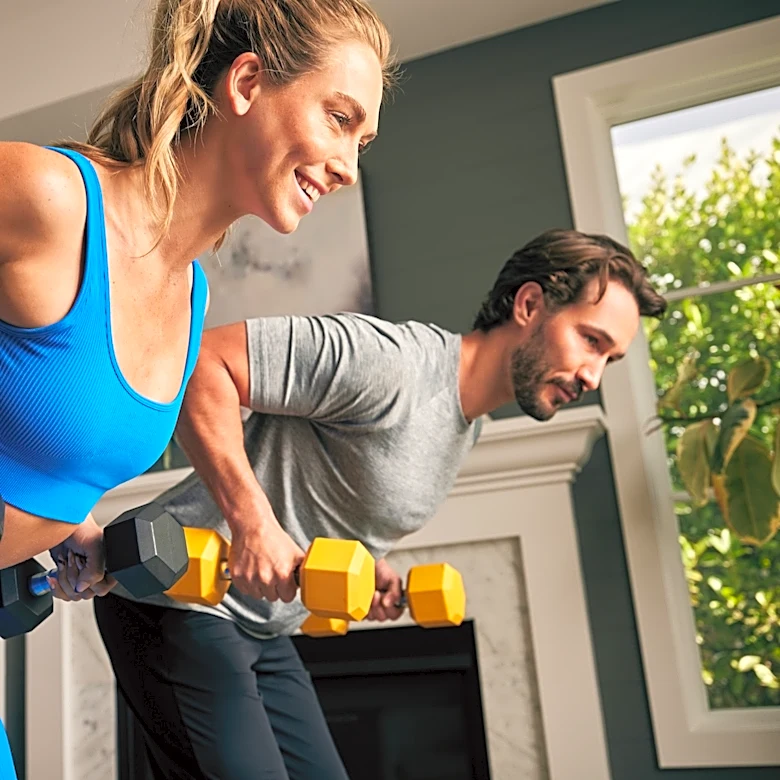
to individual fitness levels. Beginners can start with brief increases in pace followed by ample recovery time, while more experienced individuals can opt for longer work periods. For instance, indoor cycling platforms like ROUVY incorporate structured intervals and recoveries to help users develop sustained aerobic power. Additionally, body-weight training can be integrated into high-intensity interval training (HIIT) formats, such as the Tabata protocol, which typically involves 20 seconds of intense work followed by 10 seconds of rest. The fundamental principle of effective interval training is to maintain control over the exercise and adjust intensity to safely challenge the cardiovascular system, promoting physiological adaptations without overexertion.
Why It's Important?
The adaptability and effectiveness of interval workouts make them a significant component of modern fitness regimens in the U.S. For individuals and fitness professionals, interval training offers a time-efficient method to improve cardiovascular health, endurance, and overall fitness. Its customizable nature means it can be tailored to a broad demographic, from novice exercisers to elite athletes, thereby broadening access to effective training methods. The integration of interval training into various platforms, such as indoor cycling apps and body-weight routines, highlights its versatility and potential for widespread adoption. This approach can lead to improved public health outcomes by making high-quality exercise more accessible and sustainable for diverse populations, potentially reducing the burden of lifestyle-related diseases. Furthermore, the emphasis on controlled intensity ensures that participants can safely push their limits, minimizing injury risk while maximizing physiological benefits.
What's Next?
As understanding of exercise physiology evolves, the application of interval training is likely to become even more refined and personalized. Future developments may include more sophisticated integration with wearable technology and AI-driven platforms that can dynamically adjust interval protocols based on real-time physiological data, such as heart rate variability and recovery metrics. This could lead to highly individualized training plans that optimize performance and minimize overtraining. Additionally, research may further delineate the specific benefits of different interval structures for various health goals, such as metabolic health, muscle hypertrophy, or specific athletic performance. The fitness industry will likely continue to innovate with new equipment and digital tools designed to facilitate and enhance interval training experiences, making it an even more integral part of mainstream fitness and rehabilitation programs.
Beyond the Headlines
Beyond the immediate physical benefits, the widespread adoption of interval training reflects a broader cultural shift towards optimizing health and efficiency in daily life. The appeal of achieving significant fitness gains in shorter periods aligns with the demands of modern, busy lifestyles. This trend also underscores a growing public awareness of exercise science, moving beyond generic workout routines to more evidence-based and structured training methodologies. Ethically, the accessibility of adaptable interval workouts promotes inclusivity in fitness, allowing individuals with varying physical capabilities to engage in challenging yet safe exercise. Legally, as fitness programs become more personalized and data-driven, there may be increased scrutiny on data privacy and the ethical use of biometric information collected during these workouts. Culturally, the emphasis on 'smart' training over simply 'hard' training signifies a more informed approach to physical well-being, encouraging individuals to understand the science behind their workouts.