







What's Happening?
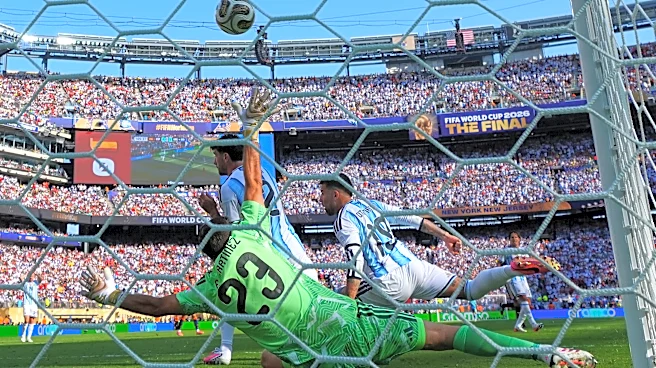
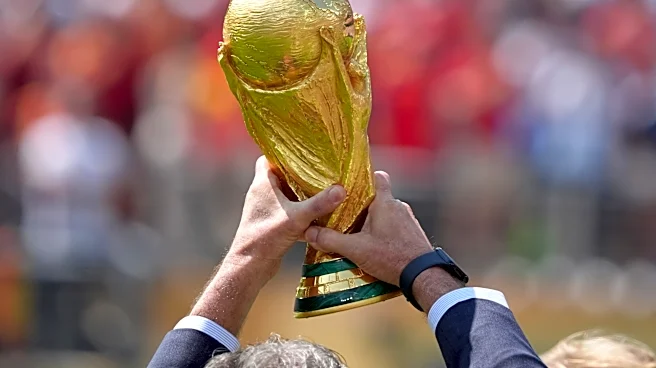
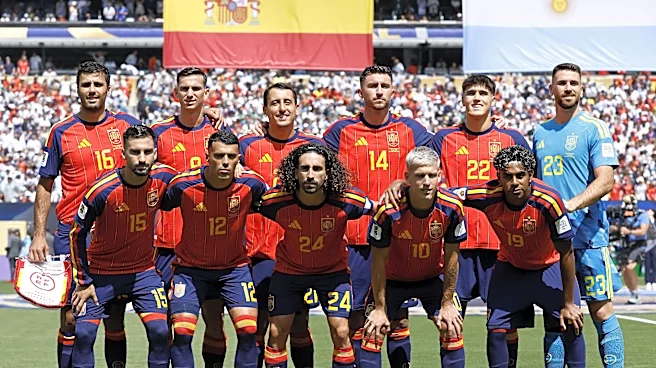
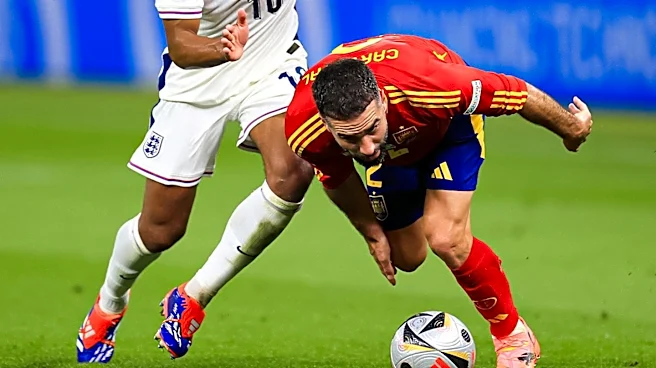
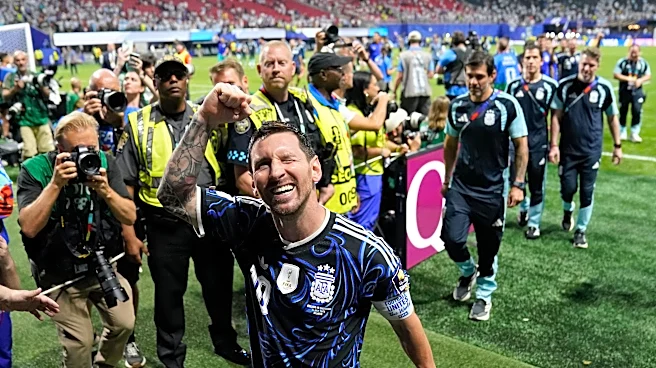
Spain triumphed over Argentina with a 1-0 victory in the World Cup final held in East Rutherford, New Jersey. This win marks Spain's second World Cup title, the first being in 2010. The match was intensely contested, with Spain dominating possession but
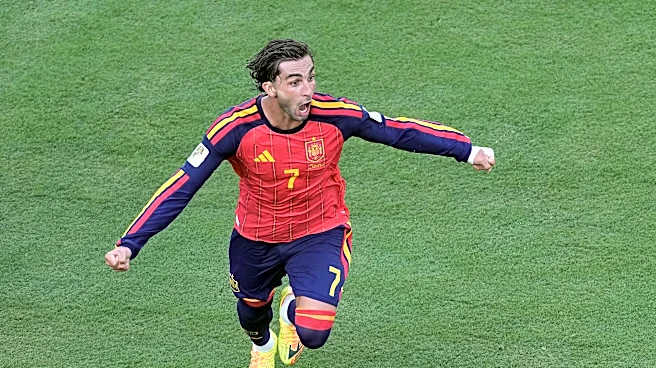
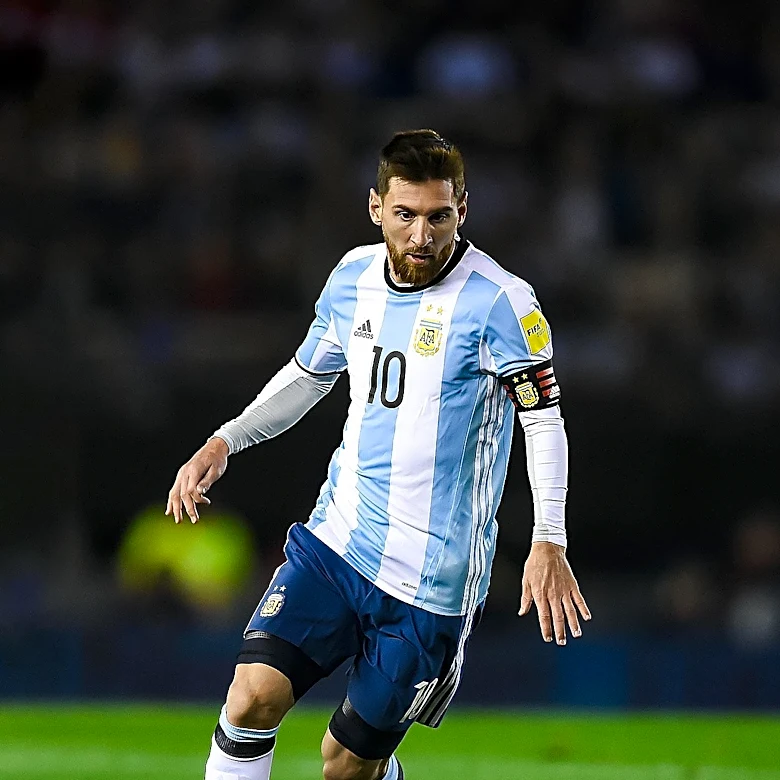
struggling to break through Argentina's defense, which was reduced to 10 men after Enzo Fernandez received a second yellow card. The decisive goal came in the 16th minute of extra time when Ferran Torres scored, following a header by Nico Williams. Despite Argentina's defensive tactics and the presence of their star player Lionel Messi, they managed only one shot on target throughout the match.
Why It's Important?
Spain's victory underscores its dominance in international soccer, as the nation currently holds both the men's and women's World Cup titles, as well as Olympic and European championships. This achievement highlights Spain's effective player development system and strategic gameplay. For Argentina, the loss marks a significant setback, especially as it was defending its title and featured Messi, one of the sport's greatest players. The match also drew significant attention in the U.S., with notable figures such as President Trump and the King of Spain in attendance, reflecting the global appeal and cultural significance of the World Cup.
What's Next?
Following this victory, Spain will likely continue to build on its successful soccer programs, aiming to maintain its competitive edge in future international tournaments. For Argentina, the focus may shift to rebuilding and strategizing for upcoming competitions, particularly as they face the challenge of replacing Messi, who is nearing the end of his international career. The U.S. hosting such a high-profile event could also boost interest and investment in soccer domestically, potentially influencing the sport's growth and popularity in the country.