

What's Happening?
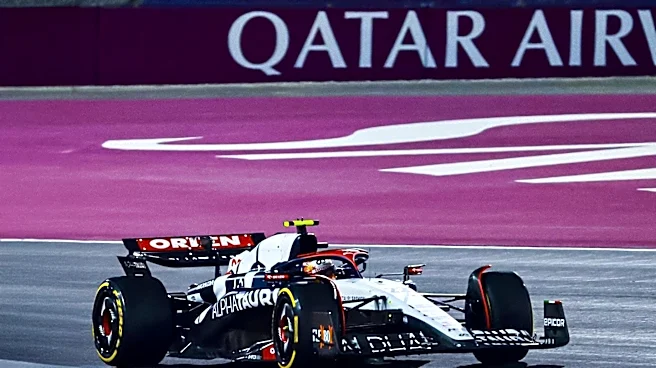
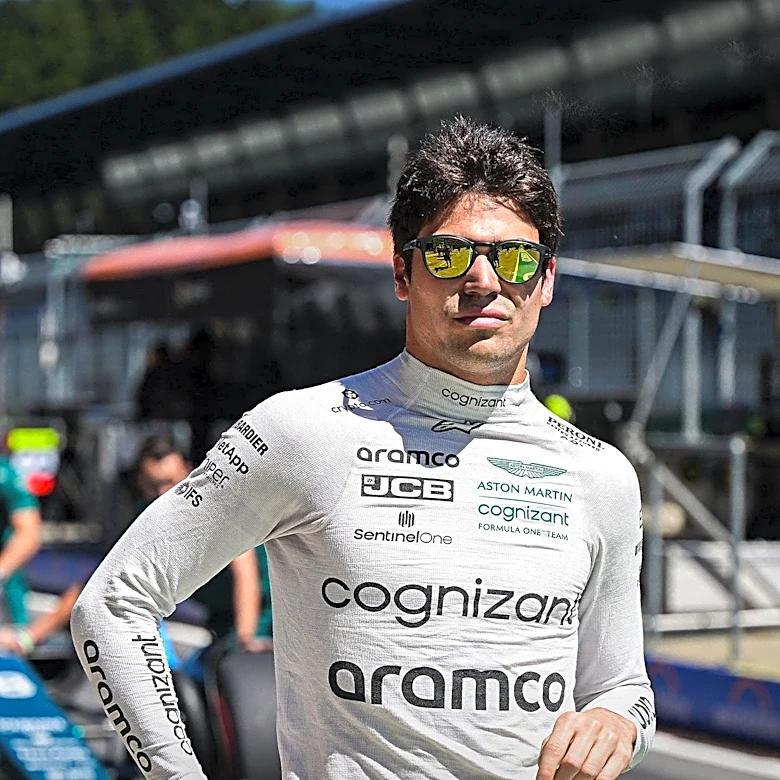
Racing Bulls CEO Peter Bayer has publicly acknowledged Liam Lawson's strong performance, stating that Lawson has "done everything" to prove himself within the team. Lawson has had a successful campaign this year, consistently finishing in the points and
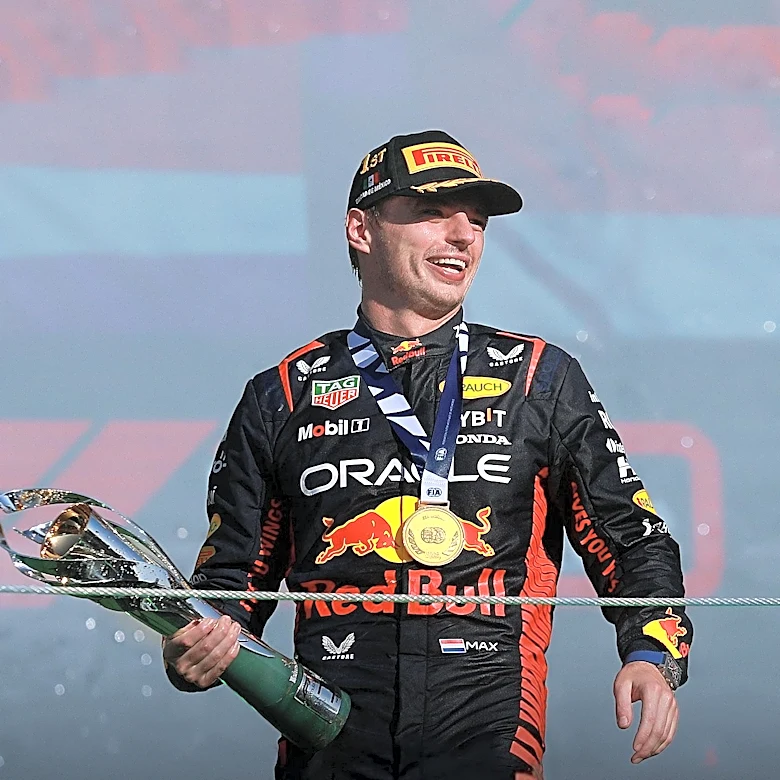
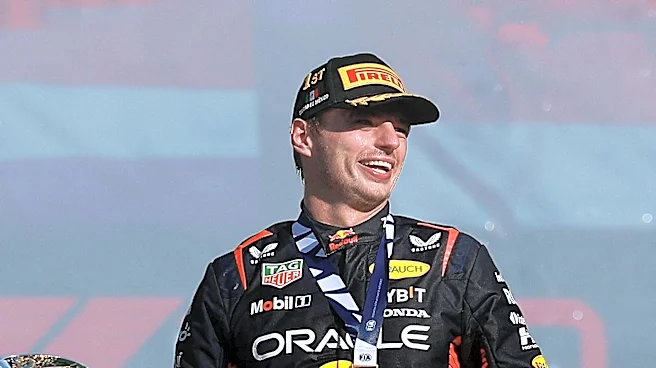
accumulating 83 points after the Mexico City Grand Prix. He is currently on track to finish ninth in the drivers' championship, placing him as the top driver outside of the leading teams. Despite his impressive results, Lawson has not yet secured a drive for the 2027 F1 grid and is reportedly facing competition from Red Bull junior Nikola Tsolov. Bayer emphasized that Racing Bulls' primary objective is to continually assess and introduce new talent into Formula 1, a role they have fulfilled by helping 22 drivers, including Sebastian Vettel and Max Verstappen, reach the sport. The final decision regarding Lawson's future will rest with Alan, who Bayer believes will make the correct choice for the team.
Why It's Important?
This situation highlights the intense competition and strategic talent management within Formula 1, particularly for teams like Racing Bulls that serve as development grounds for future stars. Lawson's strong performance, yet uncertain future, underscores the high bar for securing a permanent seat in F1, even for drivers who demonstrate significant potential. For aspiring drivers, it illustrates the constant pressure to perform and the limited opportunities available. For teams, it showcases the delicate balance between nurturing existing talent and introducing new prospects to maintain a competitive edge and fulfill long-term strategic goals. The decision regarding Lawson could influence the career trajectories of multiple young drivers within the Red Bull system and potentially impact the driver market for other F1 teams looking for talent.
What's Next?
The immediate next step involves the decision from Alan regarding Racing Bulls' driver lineup for the 2027 season. This decision will determine whether Liam Lawson secures a permanent F1 seat or if another Red Bull junior, such as Nikola Tsolov, will be given the opportunity. Lawson will likely continue to perform at his best in the remaining races to further solidify his case. Stakeholders, including Red Bull management, other F1 teams, and racing fans, will be closely watching this announcement, as it could signal shifts in driver development strategies and potential movements in the driver market. The outcome will also set a precedent for how Racing Bulls balances immediate performance with its long-term mission of developing new F1 talent.
Beyond the Headlines
The situation with Liam Lawson extends beyond a simple contract decision; it reflects the broader philosophical approach of Red Bull's driver development program. While Lawson has proven his capability, the emphasis on continually bringing in 'new talent' suggests a system that prioritizes a constant influx of fresh prospects, even if it means potentially letting go of drivers who have already demonstrated their worth. This approach, while successful in producing champions like Vettel and Verstappen, can create a high-pressure environment for young drivers, where sustained performance might not always guarantee a long-term future. It raises questions about the balance between loyalty to proven talent and the relentless pursuit of the next prodigy, a dynamic that shapes careers and team strategies across the sport.