




What's Happening?
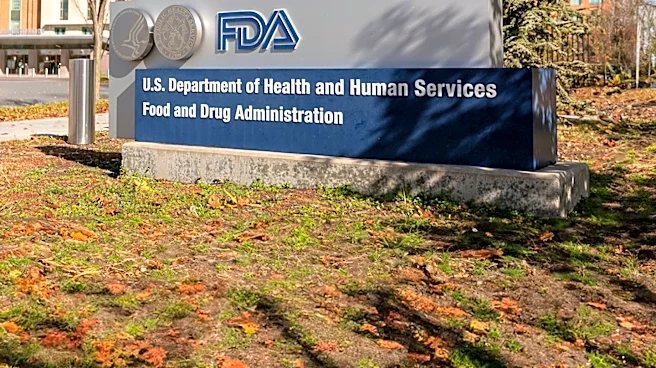
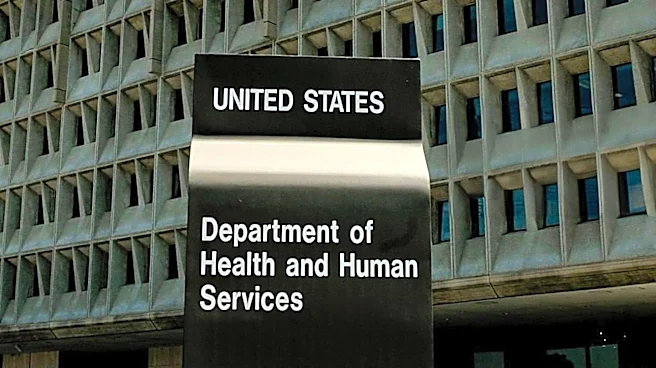
The U.S. Food & Drug Administration (FDA) has approved bemotrizinol, or BEMT, marking the first new sunscreen filter to be cleared in the U.S. in 25 years. BEMT has been available in Europe and Asia since 2000 and 2002, respectively. This new filter is praised
for its lightweight feel, larger molecule size, and broad-spectrum protection against both UVA (aging rays) and UVB (burning rays). L'Oréal-owned La Roche-Posay has already launched its first product containing BEMT, the Anthelios UVDefense Sunscreen SPF 50, priced at $39.99. Other brands like Ultra Violette and Neutrogena are also incorporating BEMT into their formulations. DSM-Firmenich, the manufacturer of BEMT, invested $20 million in the FDA approval process.
Why It's Important?
This FDA approval is a significant development for the U.S. skincare and public health sectors. For decades, U.S. consumers have had fewer advanced sunscreen options compared to other parts of the world. BEMT's ability to fill a 'gap' in UV protection, particularly in the UVA2 wavelength area, offers more comprehensive defense against sun damage. Its larger molecule size is also important, as it means less absorption into the bloodstream, addressing a growing concern among consumers regarding chemical sunscreen ingredients. This innovation provides dermatologists and consumers with a new, effective tool in the fight against skin aging and skin cancer, potentially leading to improved sun protection habits and better skin health outcomes across the U.S.
What's Next?
The introduction of BEMT is expected to catalyze further innovation within the U.S. sunscreen market. More brands are likely to develop and launch products featuring this new filter, expanding consumer choices for advanced sun protection. The focus will be on creating elegant, lightweight formulations that encourage daily use. Educational campaigns, leveraging dermatologists and other experts, will be crucial to inform consumers about the benefits of BEMT and the importance of broad-spectrum protection. This development could also pave the way for the approval of other advanced UV filters currently available internationally, potentially leading to a more robust and diverse U.S. sunscreen landscape in the coming years.
Beyond the Headlines
The approval of BEMT highlights the complex and often slow regulatory process for new ingredients in the U.S. compared to other global markets. The 25-year gap since the last new filter approval underscores the challenges and costs associated with bringing such innovations to the American consumer. This situation has broader implications for consumer access to cutting-edge health and beauty products. The success of BEMT could serve as a case study, potentially influencing future regulatory approaches and encouraging more investment in research and development for new protective ingredients. It also reflects a growing consumer demand for safer, more effective, and cosmetically appealing sun protection, pushing the industry towards continuous improvement.