





What's Happening?
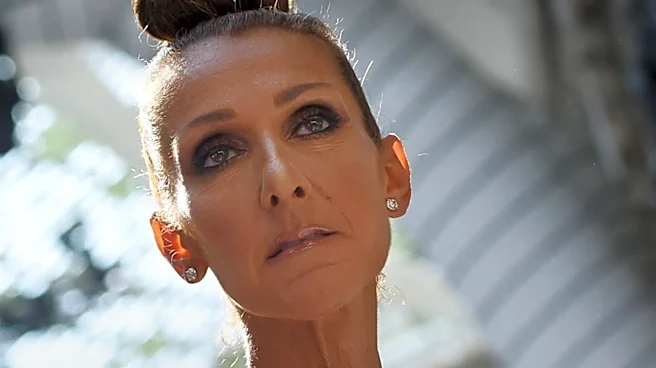
Céline Dion has revealed more details about her long-standing battle with stiff person syndrome, a rare neurological autoimmune disorder, in an exclusive interview with Harper's Bazaar. The Canadian superstar disclosed that she experienced symptoms for
17 years before receiving a formal diagnosis in 2022. The condition caused severe pain, making it difficult for her to walk and sometimes requiring high doses of Valium to function. Stiff person syndrome is a progressive disorder characterized by rigid muscles and painful spasms, often triggered by stress, loud noises, or sudden movements. There is currently no regulator-approved treatment specifically for the condition, though various therapies can help manage symptoms. Dion, who has not performed publicly since the Paris 2024 Olympic Games, is now preparing for a five-week residency in Paris, scheduled to begin in mid-September, following an intense recovery regimen.
Why It's Important?
Céline Dion's public disclosure brings significant attention to stiff person syndrome, a rare and often misunderstood condition affecting only one or two people per million. Her celebrity status can raise awareness, potentially leading to increased research funding, better diagnostic tools, and improved support for those living with the disorder. The transparency about her 17-year struggle before diagnosis highlights the challenges individuals face in getting an accurate diagnosis for rare diseases, emphasizing the need for greater medical understanding and recognition. Her journey also underscores the immense physical and emotional toll chronic illnesses can take, even on world-renowned performers. For the entertainment industry, her planned return to the stage after such a debilitating illness serves as an inspiring testament to resilience and determination, potentially influencing how artists manage health challenges publicly.
What's Next?
Céline Dion is scheduled to begin a five-week residency in Paris in mid-September, with 26 concerts planned between September 12 and May 29 next year. Her preparation involves an intense recovery regimen, including medication, physical therapy, vocal therapy, immunotherapy, 90-minute Pilates sessions three times a week, and ballet classes twice a week. Her return to the stage will be closely watched by fans and the medical community alike, as it will provide a real-world demonstration of managing stiff person syndrome while maintaining a demanding performance schedule. The ongoing public discussion around her health may also encourage further dialogue about rare diseases and the importance of early diagnosis and comprehensive treatment plans. Her documentary, 'I Am: Celine Dion,' which premiered in June, further details her journey and determination to perform again.
Beyond the Headlines
Beyond the immediate impact on Céline Dion's career, her story sheds light on the broader societal implications of chronic and rare diseases. The initial concealment of her symptoms, driven by a desire to avoid disappointing fans, reflects the pressure public figures often face to maintain an image of invincibility. This narrative can foster a more empathetic understanding of the struggles faced by individuals with invisible illnesses. Furthermore, the lack of a regulator-approved treatment for stiff person syndrome highlights gaps in pharmaceutical research and development for rare conditions, often due to smaller patient populations and economic incentives. Dion's advocacy, even through her personal journey, could inadvertently spur greater investment and innovation in treatments for rare neurological disorders, ultimately benefiting countless others who share similar struggles.