





What's Happening?
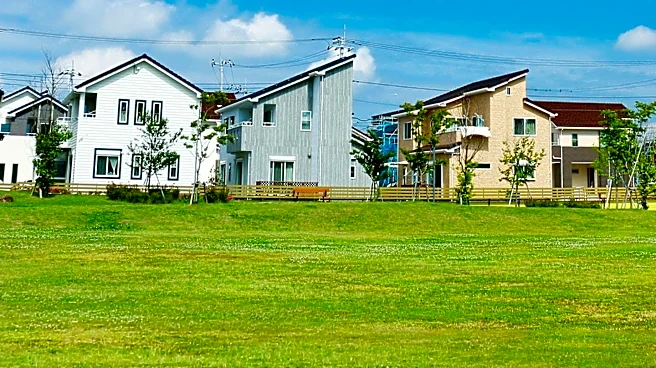
BSK Meadows, LP, the owner of Bluestone Country Club, has submitted a conditional use application to Whitpain Township to redevelop the country club property into a residential community. The proposal includes plans for 104 single-family detached homes
within the Residential 1 zoning district and 38 townhomes in the R-B3 district. While the country club's clubhouse and event space are slated to remain, the new homes would be constructed on what is currently the golf course. The nearly 130-acre property was acquired by BSK Meadows, an entity linked to Jenkintown-based developer Bruce Goodman, for $4,797,000 in 2016. This property was formerly known as Meadowlands Country Club, established in 1949. The need for conditional use approval stems from zoning requirements concerning cluster subdivisions for single-family detached dwellings and the proposed density of the townhouses. The applicant has also submitted a waiver to pause the legal timeline for the township's review process, a pause that the applicant can terminate at their discretion.
Why It's Important?
This proposed redevelopment represents a significant land-use change in Whitpain Township, potentially marking the largest development in the area since the Blue Bell Country Club was proposed approximately 30 years ago. The conversion of a large golf course into a residential community could have substantial impacts on local infrastructure, traffic patterns, and the demand for public services such as schools and utilities. For residents, it signifies a shift in the character of the area, moving from open recreational space to a denser residential environment. Developers stand to gain from meeting housing demand, while the township faces the challenge of managing growth and ensuring adequate resources. The decision by the township's board of supervisors will set a precedent for future large-scale land conversions and could influence property values and community planning for years to come. The retention of the clubhouse and event space suggests an attempt to blend new residential development with existing community amenities, but the overall impact on the local ecosystem and community dynamics remains a key consideration.
What's Next?
Once the applicant terminates the waiver that has paused the legal timeline, the application will proceed to the township’s planning commission for review. The planning commission will then have the opportunity to make a recommendation to the board of supervisors. The board of supervisors holds the ultimate authority to grant or deny the conditional use application. A hearing before the board of supervisors must be scheduled and take place within 60 days of the application being activated. This process will involve public input and detailed scrutiny of the development plans, including environmental impact assessments, traffic studies, and infrastructure considerations. The outcome will determine the future landscape of the Bluestone Country Club property and could influence similar development proposals in the region.
Beyond the Headlines
The redevelopment of a country club into a residential community highlights broader trends in land use and urban development, particularly in suburban areas facing increasing population density and housing demand. The preservation of the clubhouse and event space, while converting the golf course, reflects a hybrid approach to development that attempts to retain some historical or community elements amidst significant change. This project also touches upon the economic viability of traditional country clubs, as many are facing financial pressures that lead to considering redevelopment options. The ethical considerations involve balancing the interests of developers and new residents with those of existing community members who may value open space and the current character of their neighborhood. The legal framework of conditional use approvals and zoning requirements plays a crucial role in mediating these competing interests, underscoring the complex interplay between private development and public welfare in rapidly evolving suburban landscapes.