



What's Happening?
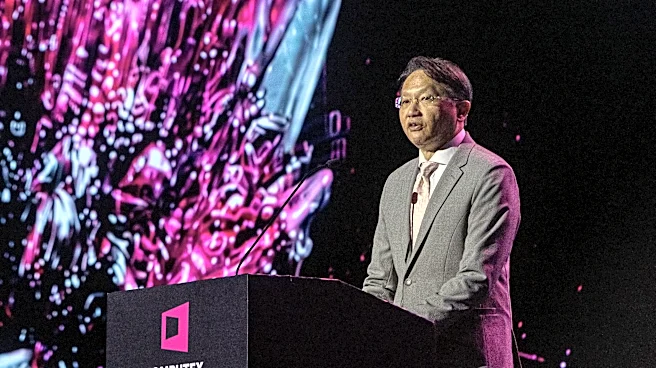
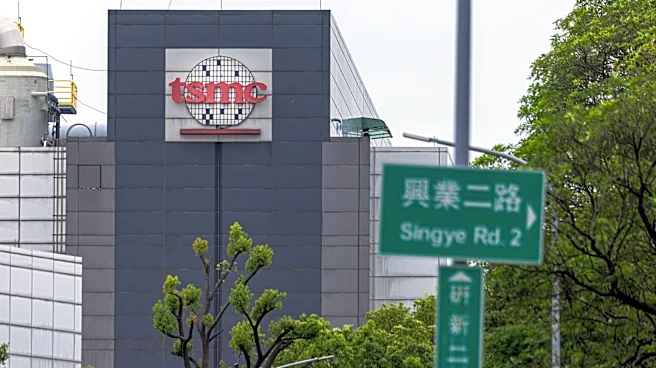
Ursula Burns, an independent director at Taiwan Semiconductor Manufacturing Company (TSMC) and former CEO of Xerox, purchased 1,375 American Depositary Shares (ADSs) of TSMC for $500,039 on November 17, 2026. This transaction increased her direct holdings
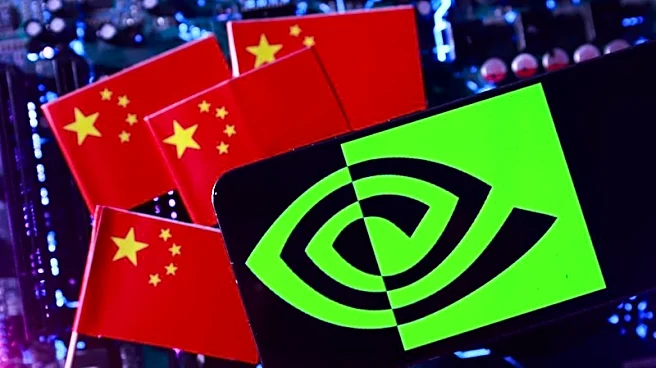
by 46% to 4,375 ADSs. The purchase occurred on a day when TSMC's shares experienced a decline in Taiwan, influenced by new U.S. restrictions on China's access to advanced AI chips. This insider buying also followed a broader semiconductor sell-off and news of NVIDIA's CEO Jensen Huang's resignation, though NVIDIA is a major TSMC client. Despite these market pressures, TSMC reported record monthly revenue in October 2026, reaching NT$586.89 billion, a 59.7% year-over-year increase. Analysts have also raised their EPS estimates for TSMC for 2027, with the stock currently trading at 15 times forward earnings, below its five-year average of 18 times.
Why It's Important?
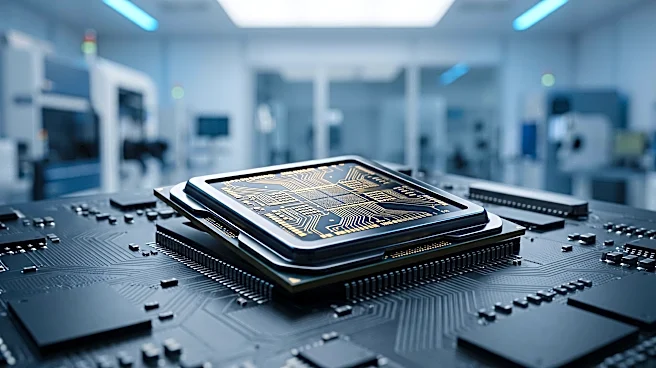
This significant insider purchase by a TSMC director signals potential confidence in the company's long-term prospects despite immediate market headwinds. The U.S. export controls on advanced AI chips to China directly impact the semiconductor industry, creating uncertainty for companies like TSMC that operate globally and supply critical technology. While China represented only 5% of TSMC's third-quarter revenue, the broader implications of such restrictions can affect supply chains, demand visibility, and customer activity for leading-edge chip producers. Insider transactions, especially during market downturns, are often viewed by investors as an indicator of a company's intrinsic value and future performance, suggesting that the current stock price may be undervalued relative to its growth potential and robust demand for its high-end chips.
What's Next?
The market will closely watch TSMC's upcoming fourth-quarter report, expected in mid-January, for its 2027 outlook. This report will provide crucial insights into how the company anticipates navigating the evolving geopolitical landscape and economic uncertainties, particularly concerning demand for its advanced chips. A key indicator will be TSMC's first-quarter gross margin forecast; if it meets or exceeds 65%, it would suggest sustained demand for AI-related chips, reinforcing analyst expectations for strong earnings growth. Continued insider buying or selling activity will also be monitored as a signal of executive confidence. The ongoing impact of U.S. export controls on China's access to advanced technology will remain a significant factor influencing TSMC's operational strategies and market valuation.
Beyond the Headlines
The purchase by Ursula Burns highlights a broader theme of strategic positioning within the global technology sector amidst increasing geopolitical tensions. The U.S. government's tightening of export controls on advanced semiconductors to China reflects a strategic effort to limit China's technological advancement, particularly in AI and military applications. This policy creates a complex operating environment for multinational corporations like TSMC, which must balance global market opportunities with compliance to diverse regulatory frameworks. The long-term implications could include a restructuring of global semiconductor supply chains, increased regionalization of manufacturing, and potential shifts in technological leadership. Such moves also underscore the critical role of semiconductors as a strategic asset in international relations, influencing not only economic competition but also national security considerations.